
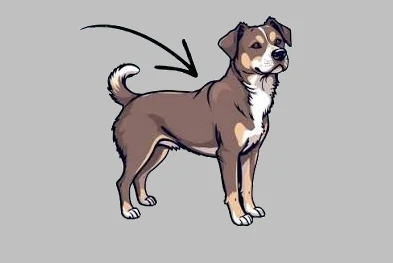
Dogs do not need a complicated lifestyle to enjoy their days. Consistent care, safe exercise, mental activity, rest, and positive time with their people can make a big difference. Every dog is different, so age, breed, size, health, personality, and past experiences should guide the routine.
Advertisements1
The ideas below are general pet-care information, not veterinary advice. If your dog is sick, injured, in pain, suddenly behaving differently, or may have eaten something unsafe, contact a qualified veterinarian.
1. Keep a Predictable Daily Routine
Many dogs feel more secure when important parts of the day happen at roughly predictable times. Meals, bathroom breaks, walks, play, and bedtime do not need to happen at the exact minute, but a familiar pattern can make the day easier to understand.
2. Give Your Dog Time to Sniff
A walk is not only physical exercise. Sniffing gives a dog information about the environment and can be mentally engaging. When the location is safe, allow time for relaxed sniffing instead of making every walk a fast march.
Use a secure leash and follow local rules for public spaces.
3. Match Exercise to the Individual Dog
A young active dog may need a different exercise routine from an older dog or a dog with health limitations. More exercise is not automatically better. The goal is suitable movement that the dog can handle comfortably.
If you are unsure what level of exercise is appropriate, especially for a puppy, senior dog, or dog with a medical condition, ask your veterinarian.
4. Rotate Toys Instead of Leaving Everything Out
Keep a few safe toys available and rotate some of them every few days. A toy that has been out of sight can feel interesting again when it returns. Check toys often and remove damaged pieces that could become unsafe.
5. Use Food Puzzles and Simple Enrichment
When suitable for your dog, part of a normal meal can be offered through a puzzle feeder, snuffle mat, or another safe enrichment activity. You can also hide a few pieces of regular food in easy locations and let the dog search for them.
Supervise new enrichment items until you know how your dog uses them.
6. Create a Comfortable Resting Space
Dogs need quiet rest as well as activity. Provide a clean, comfortable place where the dog can sleep without being constantly disturbed. Some dogs prefer a covered or tucked-away area, while others like a bed where they can see the room.
Wash bedding regularly and keep the area at a comfortable temperature.
7. Practice Short Positive Training Sessions
Training can be useful mental activity and a way to improve communication. Practice simple behaviors such as coming when called, waiting, settling on a mat, or walking politely. Short sessions are often easier than one long session.
Use humane, reward-based methods and choose rewards that are appropriate for your dog.
8. Make Grooming a Calm Routine
Regular brushing, coat checks, paw checks, and other grooming needs vary by dog. Gentle handling at home can help you notice changes such as tangles, damaged nails, skin irritation, or something stuck in the coat.
Ask a veterinarian or qualified groomer how to safely handle grooming tasks you are unsure about.
9. Provide Fresh Water and Appropriate Food
Keep fresh water available according to your veterinarian’s guidance and feed a complete diet that is suitable for your dog’s life stage and needs. Treats and extras can add calories quickly, so keep portions reasonable.
Human foods are not automatically safe for dogs. Check before offering unfamiliar foods.
10. Spend Calm Time Together
Not every interaction needs to be exciting play. Many dogs enjoy sitting near their person, receiving gentle attention, or resting in the same room. Learn your dog’s body language and respect signs that the dog wants space.
11. Give Safe Opportunities to Explore
New walking routes, safe outdoor spaces, different surfaces, or a short car trip to an appropriate destination can add variety. Introduce new environments gradually if your dog is cautious or easily overwhelmed.
Identification tags and up-to-date microchip information, where available, are useful safety measures when a dog is away from home.
12. Notice Small Changes Early
You know your dog’s normal routine better than anyone. Pay attention to changes in appetite, drinking, bathroom habits, movement, energy, sleep, breathing, skin, or behavior. Some changes are minor, but others can be important.
When something seems unusual or concerning, contacting a veterinarian early is safer than trying to diagnose a problem from an article.
A Simple Daily Dog Checklist
- Fresh water and appropriate meals.
- Regular bathroom opportunities.
- Suitable exercise and sniffing time.
- A little mental activity or training.
- Comfortable rest.
- Positive attention and space when needed.
- A quick check for unusual behavior or physical changes.
Focus on Consistency, Not Perfection
A happy home for a dog is built through many ordinary days of safe care. You do not need to create a new adventure every afternoon. A predictable routine, appropriate activity, good rest, positive interaction, and attention to health can provide a strong foundation.
Adjust the routine as your dog gets older or their needs change, and involve a veterinarian when health or behavior concerns go beyond everyday care.


Leave a Comment