
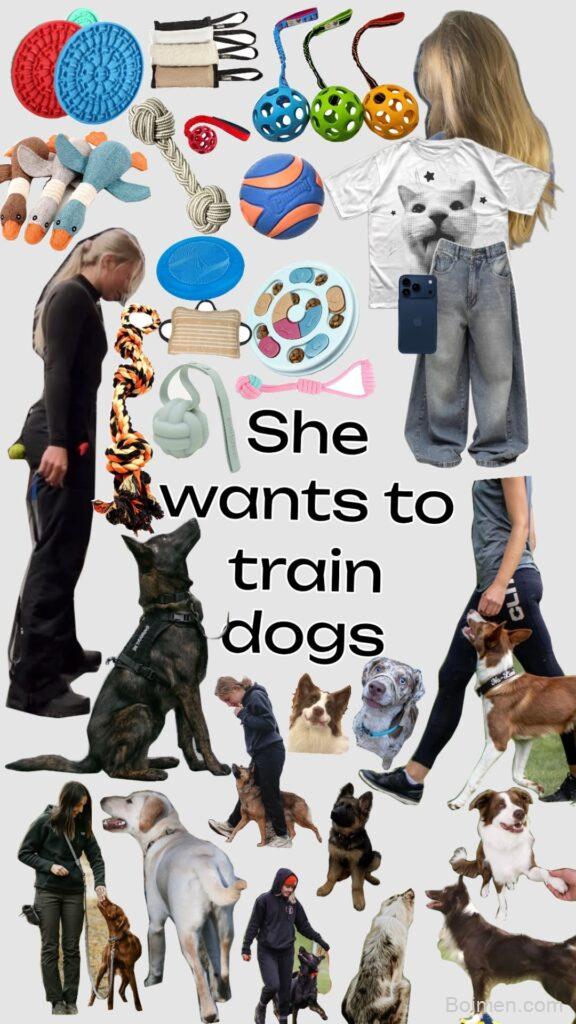
I've trained three dogs in my kitchen, and the biggest lesson wasn't about sit or stay — it was that five focused minutes beats an hour of frustrated repetition. Here's the concrete, do-this-not-that guide I wish someone had handed me before my first chewed-up sneaker.
Advertisements1
- Five-minute sessions twice a day outperform long, frustrated training marathons.
- Rewards must land within about one second — a marker word like 'yes' makes that possible.
- Rank rewards by real value and save the best ones for the hardest cues.
- Teach one new cue per week, then practice it in at least three locations.
- Prevent bad behavior with environment management instead of punishing it after the fact.
- End every session on an easy win so your dog wants to come back tomorrow.
Start With Five-Minute Sessions, Not Marathon Training
When I first got my rescue terrier, Pepper, I blocked out an hour on Saturday mornings for 'training.' She lasted about six minutes before she started chasing her own tail. Now I set a timer for five minutes, twice a day, and she's sharper after two weeks than she was after two months of long sessions.
Dogs learn through short, high-reward repetitions. Their working memory for a new cue is roughly 5 to 10 reps before focus drops. So do this: five reps, one tiny treat each, then a break. Not that: drilling the same command 40 times until you're both annoyed.
Keep a sticky note on the fridge with tally marks for each session. Seeing '14 short wins this week' is far better motivation than a vague memory of 'we kind of practiced.'
Reward the Behavior You Want Within One Second
Here's the mistake almost everyone makes: you say 'sit,' the dog sits, and you fumble in the treat pouch for four seconds. By then the dog has stood up, and you've accidentally rewarded standing. I learned this the hard way with a very confused beagle.
Timing is everything. The reward needs to land within about one second of the behavior, or the dog can't connect the dots. Keep treats in a small pouch on your hip, not in a jar across the room. Pre-load your hand with a treat before you give the cue.
Do this: mark the exact moment with a word like 'yes' or a clicker, then treat. Not that: praise the dog after it's already moved on. The marker word bridges the gap, and it's the single biggest upgrade most beginners can make.
Use Real-Life Rewards, Not Just Biscuits
My neighbor's labrador would do anything for a tennis ball and nothing for a store-bought biscuit. That taught me that 'high value' is personal. Before you assume your dog is stubborn, figure out what actually lights them up.
Rank five rewards from 1 to 5: kibble (1), a plain biscuit (2), cheese (4), freeze-dried liver (5), and a squeaky toy or tug game (5 for play-driven dogs). Use low-value rewards for easy behaviors in quiet rooms and save the 5s for hard stuff like recall in the park.
Do this: reserve the best treats for the hardest cue. Not that: hand out the cheese on the couch for free. If the best reward is always available, it stops being a reward.
Train One Cue at a Time, Then Generalize
It's tempting to teach sit, down, stay, and come all in one week. I did that with my first dog and ended up with a dog who sort of knew four things and really knew none. Now I teach one new cue, get it solid in the kitchen, and only then move it around.
Generalization is the hidden step. A dog who sits perfectly on your living room rug may have no idea 'sit' applies on wet grass, in the driveway, or with a friend over. So practice the same cue in five different locations at three different distraction levels.
Do this: one new cue per week, tested in at least three places. Not that: assume a kitchen-perfect sit will hold up at the vet's office. It won't, and that's normal — not a sign your dog failed.
Manage the Environment Before You Correct
The fastest way to stop bad behavior is to make it impossible, not to punish it after the fact. When my puppy was in his chewing phase, I stopped leaving shoes by the door and started keeping three approved chew toys within arm's reach. The 'problem' dropped by about 80% in a week.
Punishment teaches a dog to hide behavior from you, not to stop feeling the urge. Management teaches nothing but it buys you time to train the alternative. So if your dog jumps on guests, leash them before the doorbell rings and reward four paws on the floor.
Do this: ask 'how do I prevent this in the next five minutes?' Not that: yell 'no' after the fact. Prevention is training's quiet, underrated partner.
Track Progress With Numbers, Not Vibes
I keep a tiny notebook — yes, a paper one — with a line per day: date, cue, success rate out of 10. It sounds fussy, but it's the reason I could tell my partner 'recall went from 4/10 to 8/10 in three weeks' instead of 'I think she's getting better?'
Numbers also protect you from guilt. On a rough day, you can see that last Tuesday was a 3/10 too, and it bounced back. Progress isn't a straight line, and a log makes the zigzag feel normal instead of like failure.
Do this: score one cue per day out of 10. Not that: judge a whole week by one bad session. Two bad days in a row is data, not a verdict.
End Every Session on a Win
This tip came from a trainer at our local shelter, and it changed everything. Whatever happens, finish with a cue your dog already knows cold, reward it, and stop. My terrier used to walk away from training looking stressed; now she walks away looking for more.
The last 30 seconds shape how your dog remembers the whole session. If you end on a failed recall or a frustrated sigh, that's the emotional bookmark. End on a quick 'sit — yes — treat — done,' and the next session starts with a dog who's happy to show up.
Do this: keep one easy 'victory cue' in your back pocket for the final rep. Not that: keep pushing for one more attempt after a stumble. Quit while you're both winning.
How to Do It, Step by Step
- 1Set a five-minute timer
Two short sessions a day beat one long one. Stop when the timer rings, even if it's going well — that leaves your dog wanting more. - 2Pre-load treats in a hip pouch
Rewards must land within about one second. A pouch on your belt means no fumbling and no accidental reward for the wrong behavior. - 3Pick one marker word
Say 'yes' the instant the behavior happens, then treat. This bridges the gap between action and reward and speeds up learning dramatically. - 4Rank five rewards by value
Write down what your dog loves most, from kibble to cheese to a tug toy. Save the top tier for the hardest cues like recall. - 5Practice in three new places
Once a cue works in the kitchen, try the yard, the driveway, and a quiet park. Generalization is a real training step, not a bonus. - 6Remove one temptation today
Move the shoes, close the trash, leash the dog before the doorbell. Prevention is faster than correction every single time. - 7Log one success score per day
Rate your target cue out of 10. Patterns emerge in a week, and bad days stop feeling like failure. - 8End on a victory cue
Finish every session with something your dog knows cold, reward it, and stop. The last 30 seconds are the emotional bookmark.
The single biggest upgrade most beginners can make is a marker word that lands the reward within one second of the behavior.
Frequently Asked Questions
How long should dog training sessions be?
Five to ten minutes, two or three times a day. Dogs lose focus after roughly 5 to 10 repetitions of a new cue, so short sessions keep learning sharp and frustration low.
What is the fastest way to teach a dog a new command?
Use a marker word like 'yes' the instant the behavior happens, then treat within one second. This precise timing is what lets a dog connect the action to the reward.
Should I punish my dog for bad behavior?
No — manage the environment instead. Punishment teaches dogs to hide behavior from you, while prevention plus rewarding an alternative behavior actually changes the habit.
How long does it take to train a dog?
A basic cue usually takes one to two weeks of short daily sessions to become reliable in one location, and another few weeks to generalize to new places.
Why does my dog listen at home but not outside?
Because dogs don't automatically generalize cues to new places. Practice the same command in at least three locations with gradually increasing distractions.

Maya writes about sustainable living and zero-waste swaps for everyday families. She focuses on small, budget-friendly changes that actually stick, tested in her own chaotic kitchen.


Leave a Comment