
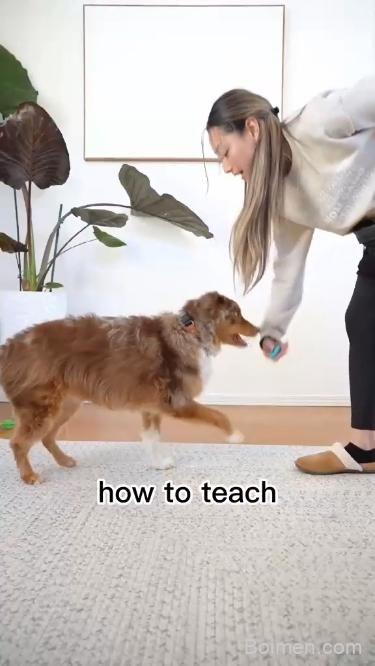
Picture this: your pup dips their chest to the floor, front paws stretched forward like a tiny furry courtier greeting royalty, and your phone camera is already rolling. A bow looks fancy, but it's built from two simple behaviors most dogs already know — and with five minutes a day you can have it on cue in about two weeks.
Advertisements1
- A dog bow is front end down, back end up — reward the chest dip, not the finished pose, in early sessions.
- Lure backward toward the chest, never forward along the floor, or you'll accidentally teach a lie-down.
- Build the hand signal before the verbal cue; aim for 8 out of 10 reps before adding the word.
- Keep sessions to 3–5 minutes, two or three times a day, and always end on a win.
- Proof the trick in at least three locations so it works outside your kitchen.
- A two-second hold turns a wiggly bow into a clean, camera-ready pose.
Why the Bow Is Easier Than It Looks
A dog bow is really just a two-part recipe: front end down, back end up. Most dogs offer a play bow naturally dozens of times a day, so you're not teaching a foreign concept — you're putting a cue on something their body already does. That's why the bow is one of the fastest tricks to shape compared to, say, rolling over or playing dead.
I've taught this to everything from a 4-month-old border collie puppy to a 9-year-old rescue beagle who'd never learned a trick in her life. The beagle took 11 days of short sessions; the collie nailed it in four. The difference wasn't intelligence — it was how cleanly I rewarded the moment their chest touched the floor.
One caveat before you start: if your dog has hip or elbow issues, or is a senior with arthritis, check with your vet first. A bow stretches the rear assembly, and you want that to feel good, not grindy.
The Lure That Never Fails (and the One That Does)
Here's the do-this-not-that that saves most people a week of frustration. DON'T drag the treat forward along the floor — that teaches a dog to walk forward and collapse into a lie-down. DO hold the treat at your dog's nose, then slowly move it straight back toward their chest and slightly down, like you're drawing a line from their nose to their front toes.
Watch for the moment their elbows soften and their chest dips. That's the golden second. Mark it with a clicker or a crisp "yes!" and pay immediately — even if the bow only lasted half a second. In the first three sessions you're rewarding the attempt, not the finished pose. Messy first drafts, remember?
If your dog flops into a full down every time, try luring from a standing position with your hand lower and slower, and reward before their belly hits the floor. If they back up instead, put them gently against a wall or couch so their rear can't retreat.
Add the Hand Signal Before the Word
Dogs read our bodies long before our words, so build the visual cue first. Once your dog is offering the bow reliably on the lure, fade the treat out of your hand and keep the same sweeping hand motion — palm down, moving from nose toward chest. Reward from your other hand or a treat pouch.
This is where most people rush. Spend two or three sessions rewarding the empty-hand signal before you ever say the word "bow." I aim for 8 out of 10 successful reps in a low-distraction room before adding anything new. If you jump to the verbal cue too early, the word becomes background noise and you'll be re-training in a month.
When the hand signal is solid, say "bow" a half-second before the gesture. Repeat across roughly 20 reps, then test the word alone. If your dog hesitates, go back to pairing for another session — no shame in it.
Proof It Everywhere (The 3-Location Rule)
A trick that only works in your kitchen isn't a trick — it's a kitchen habit. I use a simple 3-location rule: living room, front yard, and one genuinely distracting spot like a park bench or a friend's driveway. Each new place resets your dog's difficulty dial, so expect sloppier bows and reward generously.
Keep sessions to 3–5 minutes, two or three times a day. Short and frequent beats one long grind every time — think of it like brushing your teeth rather than a once-a-week deep clean. End every session on a success, even if that success is a half-bow.
Around week two, start asking for the bow before things your dog loves — the leash coming out, dinner being set down, a favorite toy toss. That's how the bow earns its place in your dog's real life instead of living only in training time.
Troubleshooting: The Three Most Common Stumbles
First stumble: the dog lies all the way down. Fix it by luring higher and faster, and reward the instant the chest dips. Second stumble: the dog pops up too soon. That's usually a reward-timing problem — your treat is arriving late, so the dog thinks standing is the trick. Mark and pay within a second.
Third stumble: the dog offers the bow constantly, unprompted, hoping for snacks. This is actually great news — it means the behavior is strong. Now you put it on a cue by only rewarding bows that follow your signal or word, and ignoring the freebies with a cheerful "not now." Most dogs sort this out in a few days.
If progress stalls for more than three sessions, shrink the ask. Go back to the lure, get three easy wins, and rebuild from there.
Make It Camera-Ready
Once your dog bows on cue in two or three places, it's time for the fun part: styling the shot. A bow reads best from a low, side-on angle so you can see the stretch of the front legs. Get down on the floor — your knees will forgive you.
Use a high-value reward held just out of frame to hold the pose for two or three seconds while you snap the photo. I like to pair the bow with a "hold" by counting "one Mississippi, two Mississippi" quietly before releasing. That tiny pause is what turns a blurry action shot into a clean portrait.
And if you're doing this with kids in the house, let them be the treat dispensers — dogs generalize cues to whoever holds the snacks, and it turns training into a family game.
How to Do It, Step by Step
- 1Check comfort first
Rule out hip, elbow, or back pain with your vet before teaching a stretch-based trick, especially in seniors and large breeds. - 2Lure nose-to-chest
Hold a treat at your dog's nose and draw it straight back toward the chest and slightly down — never forward along the floor, which teaches a lie-down. - 3Mark the chest dip
Click or say "yes!" the instant the chest lowers, even for half a second, and reward immediately so the timing lands. - 4Fade the food, keep the motion
Repeat the same empty-hand sweep and reward from your other hand until the gesture alone gets 8 out of 10 bows. - 5Add the word last
Say "bow" a half-second before the hand signal for about 20 reps, then test the word alone. - 6Proof in three places
Practice in the living room, the yard, and one distracting spot, keeping sessions to 3–5 minutes. - 7Hold the pose
Count "one Mississippi, two Mississippi" before releasing the reward so your dog learns to hold the bow for photos.
You're not teaching your dog a new body movement — you're teaching them that a movement they already make has a name, and that name pays.
Frequently Asked Questions
How long does it take to teach a dog to bow?
Most dogs learn a reliable bow on cue in about two weeks with 3–5 minute sessions twice a day. Puppies and highly food-motivated dogs often get it in under a week, while older or easily distracted dogs may need a few extra sessions.
Is bowing bad for a dog's hips?
A bow is a normal stretch most dogs do naturally, but it does extend the rear assembly. If your dog is a senior, a large breed prone to hip dysplasia, or showing stiffness, check with your vet before making it a repeated trick.
Why does my dog lie down instead of bowing?
Your lure is probably moving too far forward or too low, which cues a down. Hold the treat at nose height and draw it straight back toward the chest, and reward the instant the chest dips before the belly reaches the floor.
Can I teach an older rescue dog to bow?
Yes — the bow relies on a natural play behavior, so age and history matter less than reward timing. A 9-year-old rescue beagle I worked with learned it in 11 days of short daily sessions.
What's the difference between a play bow and a trained bow?
A play bow is an instinctive invitation to play, while a trained bow is the same posture performed on your hand signal or verbal cue. Training simply puts a name and a reward history on the natural movement.

Priya explores creative writing prompts and storytelling techniques for aspiring authors. She shares exercises to spark imagination and build narrative confidence, drawn from her own writing practice.


Leave a Comment