
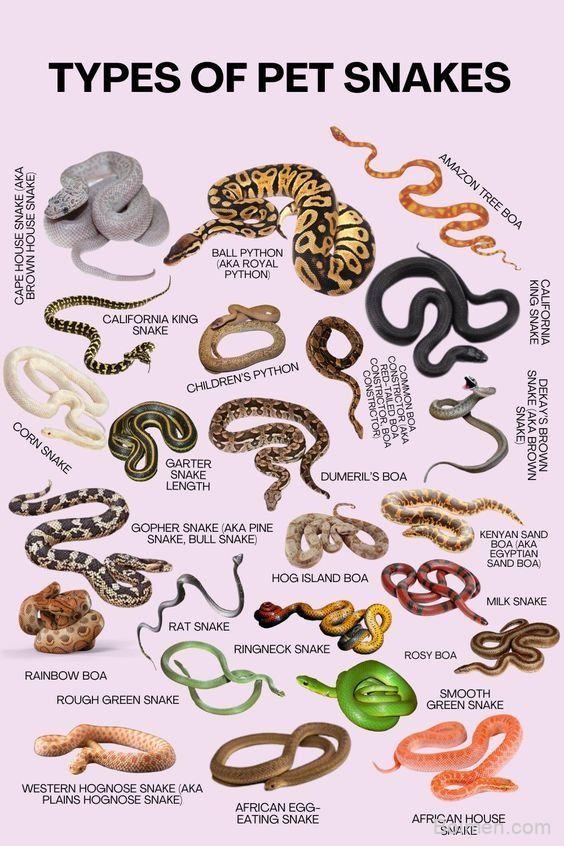
Most first-time snake owners quit within a year—not because snakes are hard, but because they bought the wrong species and set up the wrong enclosure. This guide gives you the analytical, no-nonsense playbook to avoid that fate, starting with one quick win you can apply today.
Advertisements1
- Corn snakes are the most forgiving beginner species—they eat reliably and tolerate a wider temperature range than ball pythons.
- A thermostat is non-negotiable; stick-on thermometers can be off by 15°F and lead to burns or death.
- Frozen-thawed prey is safer and cheaper than live; never microwave to thaw.
- Two identical hides (hot and cool) prevent stress and illness.
- Snakes can live 20+ years—commit only if you're ready for a long-term relationship.
The Species Decision: Why Corn Snakes Beat Ball Pythons for Beginners
The single biggest mistake I see is choosing a snake based on looks or price. A $40 ball python morph can cost you $400 in vet bills and heartbreak if it refuses to eat for three months—a common stress response in captivity. Corn snakes (Pantherophis guttatus) are forgiving: they tolerate a wider temperature gradient (75–85°F), eat reliably on frozen-thawed prey, and rarely go on hunger strikes. In my first year keeping snakes, I had a ball python fast for 11 weeks; my corn snake never missed a meal.
If you want a snake that tolerates handling and stays under 5 feet, a male corn snake is your best bet. If you want a display animal that rarely hides, consider a king snake (Lampropeltis spp.)—they are diurnal and active. Avoid green tree pythons or anything labeled 'advanced' until you have at least two years of consistent husbandry under your belt.
Use this comparison to decide:
• Corn snake: 4–6 ft, 20-gallon long tank, eats every 7–10 days, handleable, $40–$100.
• Ball python: 3–5 ft, 40-gallon tank, eats every 7–14 days but may fast, handleable, $50–$200.
• King snake: 3–4 ft, 20-gallon long tank, eats every 7 days, handleable, $60–$150.
• Boa constrictor: 6–8 ft, 4x2x2 ft enclosure, eats every 10–14 days, handleable but strong, $150–$400.
Pick based on adult size and feeding reliability, not color.
Enclosure Setup: The 4 Numbers That Matter More Than Decor
Snakes don't need a palace; they need four parameters locked in: temperature gradient, humidity, hiding spots, and security. Get these wrong and you'll see regurgitation, respiratory infections, and refusal to eat.
Temperature gradient: Provide a hot spot of 88–92°F and a cool end of 75–80°F. Use a thermostat—not a rheostat—on every heat source. A $30 thermostat prevents a $200 vet bill. I use a Herpstat 1 and check it weekly with an infrared temp gun; the stick-on dial thermometers are off by 10–15°F and will cook your snake.
Humidity: Most beginner species need 50–60% relative humidity. Ball pythons need 60–70% during shed. Use a digital hygrometer, not a analog one. Mist the enclosure once daily if needed, or use a larger water bowl over the heat source.
Hiding spots: Two identical hides—one on the hot side, one on the cool side. A snake that has to choose between safety and temperature will choose safety, then get sick. Add a third hide in the middle for good measure.
Security: Cover three sides of a glass tank with dark paper or a towel. Snakes feel exposed in a glass box. I've seen finicky eaters start feeding within a week of adding blackout curtains around their enclosure.
Feeding: Frozen-Thawed or Live? The Answer Is Not Debatable
Live prey can bite and blind your snake. A rat can kill a ball python that isn't hungry. Frozen-thawed is safer, cheaper, and more humane. Thaw a frozen rodent in a zip-top bag in warm water (100–105°F) for 20–30 minutes. Never microwave it—cooked bones splinter. Use tongs to offer the prey near the snake's head; wiggle it slightly to simulate life.
Feeding schedule by age:
• Hatchlings: every 5–7 days
• Juveniles: every 7–10 days
• Adults: every 10–14 days
Prey size: the rodent should be 1–1.5 times the snake's mid-body diameter. If you see a lump that lasts more than 48 hours, you're overfeeding. Regurgitation is a red flag—wait 10 days before offering food again, and check your temperatures.
Never handle your snake for 48 hours after feeding. That's when regurgitation risk peaks. I learned this the hard way with a king snake that threw up a meal because I picked it up too soon.
Handling: How to Build Trust Without Getting Bitten
Snakes aren't affectionate, but they can learn that you're not a threat. The key is short, predictable sessions. Start with 5 minutes, twice a week, and work up to 15 minutes. Support the body with both hands—never grab the head or tail. Let the snake move through your fingers; don't restrain it.
Signs of stress: rapid tongue flicks, musking (releasing a foul smell), striking, or freezing. If you see these, put the snake back immediately. Forcing interaction erodes trust.
Use a snake hook for the first few months with defensive species like king snakes. It's not about you being scared; it's about reducing the snake's startle response. I use a 24-inch hook for all my snakes during cage maintenance—it signals 'I'm not food'.
Quick win: Before you handle, wash your hands with unscented soap. If you smell like rodent, you'll get bitten. That's not aggression; that's a feeding response.
Health Checks: What to Look For Weekly
Snakes hide illness until it's advanced. Do a 5-minute check every week:
• Eyes: clear, no bubbles or discharge.
• Mouth: closed, no excess saliva or bubbles (sign of respiratory infection).
• Scales: smooth, no mites (tiny black specks) or lesions.
• Vent: clean, no swelling or discharge.
• Behavior: alert, tongue flicking, not constantly soaking (could be mites or too-hot enclosure).
Mites are the most common pest. Treat with a reptile-safe mite spray and replace all substrate. I quarantine any new snake in a separate room for 90 days. No exceptions.
If your snake refuses food for more than 3 weeks (for adults) or 10 days (for hatchlings), check your temperatures and humidity first. If those are correct, see a reptile vet. Don't wait.
A digital kitchen scale is your best tool: weigh your snake monthly. A 10% weight loss is a vet visit. I keep a log in a notes app—date, weight, feeding, shed. It takes 30 seconds and catches problems early.
Cost and Commitment: The Real Numbers
A snake is not a cheap pet, but it's predictable. Initial setup for a corn snake:
• Snake: $40–$100
• 20-gallon long tank with screen lid: $40–$80
• Heat mat + thermostat: $50–$80
• Two hides: $20–$40
• Water bowl: $10
• Digital thermometer/hygrometer: $15–$25
• Substrate (aspen or cypress): $10–$20
• Frozen rodents (6-month supply): $30–$60
Total: $215–$415
Monthly cost: $5–$15 for food, $5 for electricity. Vet visit: $75–$150 if needed.
Time commitment: 15 minutes per week for cleaning, feeding, and health checks. Plus 10–15 minutes of handling 2–3 times a week. Snakes can live 15–30 years. That's a long-term relationship.
If you can't commit to 20 years, don't get a snake. Rehoming is stressful for the animal and hard to do responsibly.
How to Do It, Step by Step
- 1Choose a beginner species
Pick a corn snake, king snake, or male ball python. These tolerate beginner mistakes. Avoid giant species and 'advanced' snakes until you have 2 years of experience. - 2Set up the enclosure before buying the snake
Run the tank for 48 hours with heat and humidity stable. This ensures you can maintain the gradient. Test with a digital thermometer and hygrometer. - 3Install a thermostat on every heat source
A $30 thermostat prevents burns and fires. Set the hot spot to 88–92°F. Check weekly with an infrared temp gun. - 4Provide two identical hides
One on the hot side, one on the cool side. This lets the snake thermoregulate while feeling secure. Add a third in the middle if possible. - 5Feed frozen-thawed prey
Thaw in warm water, offer with tongs. Never live-feed unless absolutely necessary (and then supervise). Follow the size and schedule guidelines. - 6Handle for short, predictable sessions
Start with 5 minutes, twice a week. Support the body, don't restrain. Wash hands with unscented soap first to avoid feeding responses. - 7Do weekly health checks
Check eyes, mouth, scales, vent, and behavior. Weigh monthly. Log everything. Early detection saves lives.
The snake doesn't care about your feelings; it cares about temperature, humidity, and security. Nail those three and you'll have a thriving pet.
Frequently Asked Questions
What is the easiest snake to keep as a pet?
The corn snake is the easiest for beginners. It tolerates a wide temperature range (75–85°F), eats frozen-thawed prey reliably, and rarely goes on hunger strikes.
Do snakes need a heat lamp at night?
No, if your room stays above 70°F. Snakes need a temperature drop at night. Use a ceramic heat emitter or heat mat on a thermostat if your room drops below 70°F.
How often should I feed my snake?
Hatchlings every 5–7 days, juveniles every 7–10 days, adults every 10–14 days. Prey size should be 1–1.5 times the snake's mid-body diameter.
Can I use a glass aquarium for a snake?
Yes, but cover three sides with dark paper or a towel to reduce stress. Glass tanks lose heat and humidity quickly, so monitor with digital gauges and adjust.
Why is my snake not eating?
The most common reasons are incorrect temperatures, stress from handling, or being in shed. Check your hot spot (88–92°F) and cool end (75–80°F) first.

Kenji covers tech productivity and digital minimalism for remote workers. He writes about streamlining workflows and cutting digital clutter with a focus on mental clarity, not just efficiency.


Leave a Comment