
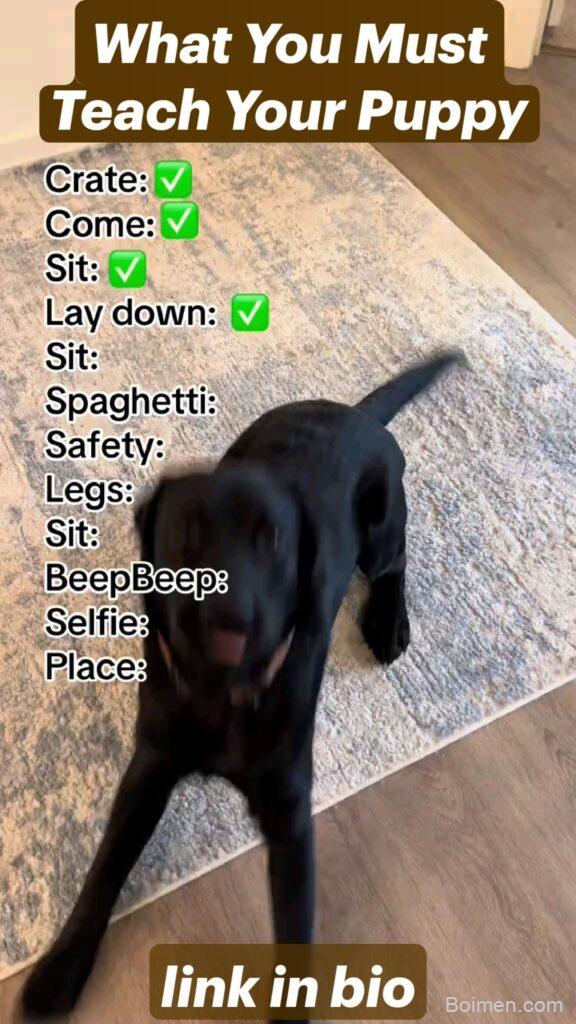
The first months with a puppy are a fleeting, tender window—filled with the scent of new grass and the soft click of tiny claws on the floor. What you teach now, with patience and quiet consistency, will shape a lifetime of trust. Here is what truly matters, and how to do it with grace.
Advertisements1
- The name should always predict good things—never use it for scolding.
- Crate training works best when introduced gradually with meals and short, positive sessions.
- Potty training requires constant supervision and immediate rewards; punishment causes hiding.
- Bite inhibition is taught by yelping and pausing play—never physical punishment.
- Socialization must happen before 16 weeks, gently and positively, to prevent fear later.
- The four essential cues—sit, down, come, stay—are best taught with luring and short, frequent sessions.
Start with the Name—and Make It a Gift
Before anything else, your puppy must learn that their name predicts wonderful things. Say "Luna!" in a bright, warm tone, then immediately give a tiny piece of boiled chicken or a soft kibble. Repeat this five times in a row, three times a day, in different rooms. Never use the name to scold—if you do, it becomes a warning, not a welcome.
The reason is simple: a name is a cue for attention. If it predicts good things, your puppy will turn toward you every time, even among distractions. I once watched a client ruin this by shouting "Max, no!" whenever the pup chewed a shoe. Within a week, Max avoided eye contact. We rebuilt the association with ten pea-sized pieces of cheese, and by day three, his head swiveled like a sunflower following light.
Crate Training: A Den, Not a Cage
A crate should feel like a quiet cave—a place of safety, never punishment. Choose a crate just large enough for your puppy to stand, turn, and lie down. Feed all meals inside it, door open, for the first two days. Toss a treat in, let them walk out. Then close the door for one second, treat, open. Build to ten seconds, then a minute, always returning before they whine.
The mistake most people make is rushing. They shut the door and leave for an hour, and the puppy panics, scratches, and learns that the crate is a trap. Instead, practice while you're home, in the same room. I keep a stash of frozen carrot pieces; they take longer to eat, which stretches the calm. Within a week, most puppies will nap in the crate with the door open, seeking it out like a favorite armchair.
Potty Training: Timing Is Everything
Puppies need to eliminate after waking, after eating, after playing, and every 20–30 minutes when active. Take them to the same spot outside—a patch of grass with a familiar scent—and stand still. No play, no talking. If they go, praise softly and reward immediately. If not, return inside and watch them like a hawk for 10 minutes, then try again.
Accidents happen, but never punish. If you scold, they learn to hide it, which makes training harder. Instead, clean with an enzymatic cleaner to remove all odor. At night, set an alarm for 2 a.m. for the first two weeks. Yes, it's tiring, but it prevents the habit of soiling the crate. By 16 weeks, most puppies can hold it for four hours during the day. The key is vigilance, not anger.
Bite Inhibition: Soft Mouths Are Made, Not Born
Puppies explore the world with their teeth. Teaching them to control jaw pressure is crucial—it's what stops a playful nip from becoming a painful bite later. When your puppy bites too hard during play, yelp sharply (like a littermate would) and pause the game for 10 seconds. If they continue, leave the room for 30 seconds. This mimics natural consequences: hard bite ends fun.
Do this consistently, and by 18 weeks, their mouth will be gentle. I also offer frozen washcloths or bully sticks to redirect. One client's Labrador, Rufus, would mouth my hand like a shark. After two weeks of yelping and time-outs, he began licking instead. The change was gradual, like ice melting in spring—but it happened.
Socialization: The Window Closes at 16 Weeks
Between 3 and 16 weeks, your puppy's brain is a sponge for new experiences. Positive exposure to different people, sounds, surfaces, and friendly dogs now prevents fear and aggression later. But it must be done gently—never force. Let your puppy approach at their own pace, and reward curiosity with treats.
Carry them in a sling to a busy street, sit on a bench, and feed chicken as buses roar by. Invite friends in hats, with canes, with strollers. Host a puppy playdate with a calm adult dog who corrects politely. Avoid dog parks until vaccinations are complete. I remember a shy Sheltie who trembled at the sight of a trash bag. We paired the bag with cheese, moving it closer over days. By the end, she wagged at the rustle. That's the window working.
The Four Essential Cues: Sit, Down, Come, Stay
These four cues form the foundation of a well-mannered dog. Teach them with luring and capturing, then reward generously. For sit: hold a treat at their nose, move it up and back over their head. Click (or say "yes") the moment their bottom touches the floor, then treat. For down: lure from sit, moving the treat down between their paws. For come: say their name and "come!" in a happy voice, then run backward a few steps. Reward with a jackpot of treats when they arrive. For stay: ask for a sit, say "stay," take one step back, return, and reward. Build distance slowly.
Never call your puppy to come and then do something unpleasant (like nail trimming). Come must always mean something wonderful. Practice in a hallway, then the yard, then the park—on a long line for safety. Keep sessions to 3–5 minutes, three times a day. Puppies have short attention spans; end on a success.
Handling and Grooming: The Quiet Lessons
A puppy who accepts touch without fear grows into a dog who can be examined by a vet, bathed, and brushed without stress. Start by touching one paw, then treat. Touch an ear, treat. Lift the tail, treat. Do this for 30 seconds daily, and keep it light. If they pull away, slow down.
Pair grooming tools with treats: show the brush, treat; touch the brush to their back, treat; one stroke, treat. For nail trims, just hold the clippers near a paw and treat for five days before cutting. I once met a dog who screamed at the sight of clippers. We spent three weeks just clicking the clippers while feeding steak. By the end, he offered his paw. Patience is the bridge.
How to Do It, Step by Step
- 1Say the name, then treat
Say your puppy's name in a happy tone, then immediately give a small treat. Repeat 5 times, 3 times a day, in different rooms. This builds a positive association so they turn to you every time. - 2Crate with meals and gradual door closing
Feed all meals in the crate with the door open. Then close the door for 1 second, treat, and open. Slowly increase to 10 seconds, then a minute. Always return before they whine to prevent panic. - 3Take out every 30 minutes and after events
After waking, eating, playing, and every 20–30 minutes, take your puppy to the same outdoor spot. Stand still and reward immediately after they eliminate. Never punish accidents—clean with enzymatic cleaner. - 4Yelp and pause for hard bites
When your puppy bites too hard, yelp sharply and pause play for 10 seconds. If they continue, leave the room for 30 seconds. This teaches bite inhibition so they develop a soft mouth. - 5Socialize gently before 16 weeks
Expose your puppy to new people, sounds, and surfaces in a positive way. Carry them to busy areas, reward curiosity with treats. Avoid dog parks until vaccinations are complete. - 6Train sit, down, come, stay with luring
Use a treat to lure sit (up and over head) and down (from sit, down between paws). For come, run backward and reward heavily. For stay, take one step back, return, reward. Keep sessions to 3–5 minutes. - 7Handle paws, ears, and tools daily
Touch one paw, treat; touch an ear, treat; lift the tail, treat. Do this for 30 seconds daily. Pair grooming tools with treats before using them to prevent fear.
A puppy's mind is like morning light—what you let fall into it will color everything that follows.
Frequently Asked Questions
What should I teach my puppy first?
Start with name recognition and potty training. Say their name in a happy tone and reward when they look, then take them out every 30 minutes. These build trust and prevent bad habits early.
How long does it take to potty train a puppy?
Most puppies are reliably potty trained by 4–6 months, but it depends on consistency. Take them out every 20–30 minutes when active, after meals, and at night. Never punish accidents—clean with enzymatic cleaner and reward successes.
When should I start crate training?
Begin the day you bring your puppy home. Feed meals in the crate with the door open, then gradually close the door for short periods. Always return before they whine to build positive associations.
What if my puppy bites hard during play?
Yelp sharply and pause play for 10 seconds. If they continue, leave the room for 30 seconds. This mimics natural consequences and teaches bite inhibition. Consistency is key—most puppies learn by 18 weeks.
How do I socialize my puppy safely before vaccinations?
Carry your puppy to safe environments and expose them to new sights and sounds from a distance. Reward curiosity with treats. Avoid dog parks and unknown dogs until vaccinations are complete, but do arrange playdates with healthy, vaccinated adult dogs.

Ingrid explores Scandinavian minimalist design and slow living. She writes about creating calm, functional spaces with fewer, better things.


Leave a Comment