
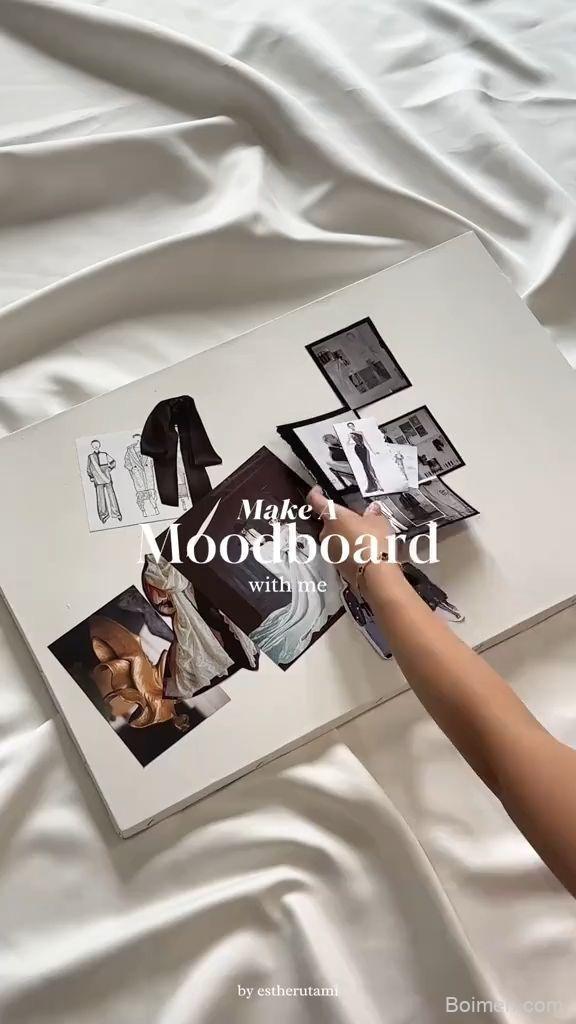
I've watched my daughter and her friends turn plain walls into vibrant spaces with just a few smart mood board tricks. Here are 7 hacks to help you create a mood board that's trendy, personal, and totally doable—no design degree required.
Advertisements1
- Limit your color palette to 3-5 colors to avoid visual chaos.
- Digital mood boards are easy to edit and share—start there.
- Mix textures and patterns for depth, but keep patterns minimal.
- Always include a focal point to anchor your theme.
- Test your board for a week before buying anything.
- Thrift stores and DIY can recreate expensive looks for less.
Why Mood Boards Are a Teen's Secret Weapon
A mood board isn't just a collage—it's a visual plan. When my 15-year-old niece wanted to redo her room, we started with a mood board, and it saved us from buying mismatched decor. It helps you test color combos and themes before spending a dime.
Plus, it's a fun creative outlet. You can go digital with Canva or go old-school with a corkboard and magazine clippings. The key is to gather inspiration from everywhere: Pinterest, TikTok, nature, even your closet.
But don't just copy what you see. The best mood boards reflect your personality. So if you love neon and pastels, mix them! There are no rules.
Hack 1: Start with a Color Story, Not Just Random Pins
Instead of pinning every cute room you see, pick 3-5 core colors. For example, my niece chose lavender, mint, and silver for a cool, calming vibe. Then, every pin or swatch must include at least one of those colors.
Why it works: A limited palette creates cohesion. It prevents the 'rainbow explosion' look that can feel chaotic. Use a tool like Adobe Color to generate complementary shades.
Common mistake: Choosing too many colors. Stick to three main ones and one accent. If you're unsure, use the 60-30-10 rule: 60% dominant color, 30% secondary, 10% accent.
Hack 2: Use a Digital Template to Keep It Tidy
If you're like me, physical clutter stresses you out. That's why I recommend starting with a digital mood board. Canva has free templates—just search 'mood board.' Drag and drop images, add color swatches, and text labels.
Why it works: Digital boards are easy to edit and share with friends for feedback. You can also rearrange elements without glue sticks.
Common mistake: Overcrowding. Leave white space. It makes the board look professional and helps you focus on key elements. Aim for 10-15 images max.
Hack 3: Steal Trends from Fashion and Nature
Trendy colors often start in fashion. Right now, dopamine dressing is huge—bright, mood-boosting hues like electric blue and hot pink. Translate that to your room with a neon sign or a bold throw pillow.
Nature is another goldmine. Take a photo of a sunset or a flower that you love, and pull colors from it. My daughter did this with a beach photo, and her room now has sandy beige, ocean blue, and coral.
Common mistake: Ignoring lighting. Colors look different in natural vs. artificial light. Test paint swatches on your wall for a day before committing.
Hack 4: Mix Textures and Patterns for Depth
A mood board isn't just about color—it's about feel. Add fabric swatches, like velvet or linen, and patterns like stripes or polka dots. This adds dimension and makes the board more tactile.
Why it works: Texture prevents a room from looking flat. Even if you can't afford a velvet headboard, you can add a velvet pillow.
Common mistake: Mixing too many patterns. Choose one bold pattern and keep others subtle. A good rule: if you have a floral, pair it with stripes or solids.
Hack 5: Include One 'Wow' Piece and Build Around It
Every mood board needs a focal point. Maybe it's a vintage poster, a DIY neon sign, or a cool tapestry. My niece found a retro lava lamp at a thrift store and built her whole board around it.
Why it works: A focal point gives the eye a place to rest and anchors the theme. It also makes shopping easier—you know what you're looking for.
Common mistake: Choosing a focal point that's too expensive or impractical. If you can't afford it, find a cheaper alternative or DIY it. The point is inspiration, not perfection.
Hack 6: Test Your Board Before You Buy
Once your board is done, live with it for a week. Look at it every day. Does it still make you happy? If not, tweak it. This saves you from impulse purchases.
Why it works: It gives you time to visualize the final room. You might realize that the neon green you loved is too intense for every day.
Common mistake: Rushing to buy everything at once. Start with one or two items, like a paint color or a bedding set, and see how you feel.
The Hacks, Step by Step
- 1Gather Inspiration
Spend 20 minutes on Pinterest or TikTok saving images that make you feel something. Don't overthink—just save. - 2Pick Your Palette
Choose 3-5 colors from your saved images. Use a color picker tool to get exact hex codes. - 3Create Your Board
Use Canva or a corkboard. Arrange images, add swatches, and label each element (e.g., 'wall color,' 'accent pillow'). - 4Add Textures
Include at least two texture swatches (e.g., wood, metal, fabric) to add depth. - 5Get Feedback
Show your board to a friend or family member. Ask: 'Does this feel like me?' - 6Shop Smart
Buy one item at a time, starting with the focal point. Thrift stores and dollar stores are great for affordable finds.
A mood board is your room's roadmap—it turns 'I like that' into 'I can do that.'
Frequently Asked Questions
What should a mood board include?
A mood board should include color swatches, images of decor, texture samples, and a focal point. It can also have text labels to clarify your vision.
How do I choose a color scheme for my mood board?
Start with 3-5 colors you love. Use the 60-30-10 rule: 60% dominant, 30% secondary, 10% accent. Tools like Adobe Color can help.
Is it better to make a digital or physical mood board?
Digital is easier to edit and share, while physical is more tactile. Start digital, then print if you want a physical copy.
How many images should be on a mood board?
Aim for 10-15 images. Too many can be overwhelming; too few may lack detail.
What if I can't afford the items on my mood board?
Focus on the vibe, not the exact items. Look for thrift store alternatives, DIY projects, or cheaper dupes.



Leave a Comment