
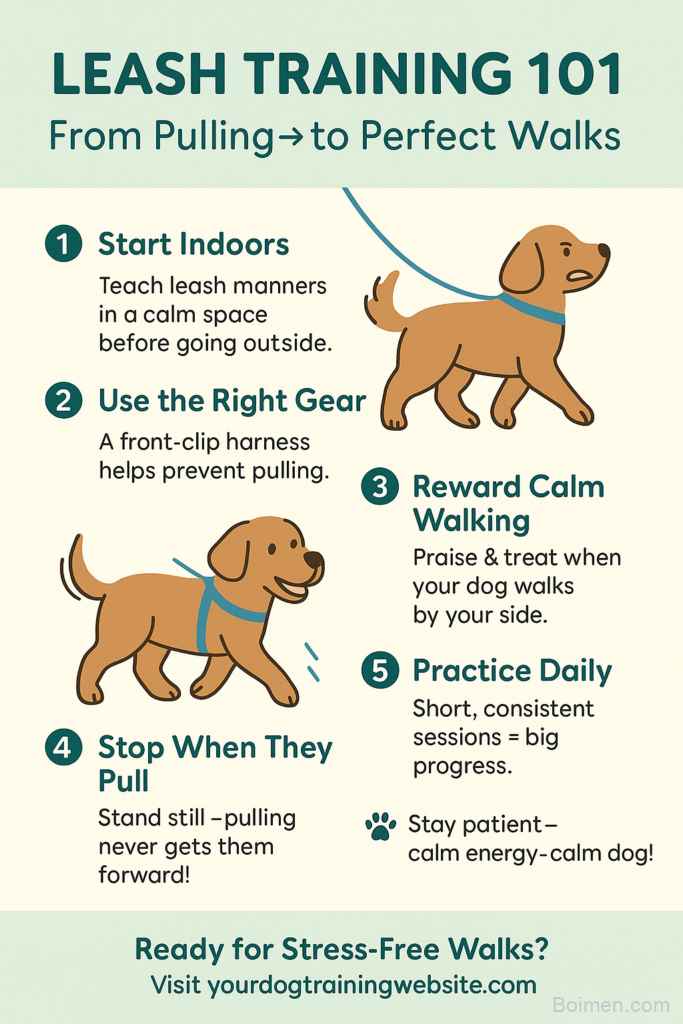
If your dog turns every walk into a sled-dog competition, you're not alone—and you're not stuck with it. With a few simple gear swaps and a consistent reward system, you can transform your daily stroll from a tug-of-war into a relaxing bonding time. Let's dive into the exact steps that work.
Advertisements1
- Dogs pull because it works—rewarding slack leash with forward motion teaches them to stop pulling.
- A front-clip harness or head halter can instantly reduce pulling without pain or force.
- The 'be a tree' method is simple but powerful: stop moving the instant the leash tightens.
- Teaching 'watch me' gives your dog something to do instead of pulling.
- Practice in low-distraction environments first and gradually increase difficulty.
- Consistency is more important than duration—short, frequent sessions win.
Why Your Dog Pulls (It's Not Dominance)
Dogs pull because it works. Every time they lunge toward a squirrel and you follow, they learn that pulling gets them closer to the fun. It's simple reinforcement, not a power struggle. Understanding this is the first step to changing the behavior.
Another big factor is equipment. A standard collar puts pressure on the throat, which can actually trigger a dog to pull harder (called the opposition reflex). Plus, it's uncomfortable and can cause injury. Switching to a front-clip harness or a head halter can make a world of difference by redirecting momentum without pain.
Finally, consider your dog's exercise needs. A tired dog is less likely to pull. A 20-minute game of fetch before your walk can burn off excess energy and make training easier. Remember, a walk is mental stimulation, not just potty time—so make it count with sniffing breaks and training games.
The Right Gear Makes All the Difference
You don't need a fancy trainer or a shock collar. Start with a well-fitted front-clip harness (like the Freedom No-Pull Harness) and a 6-foot leather or nylon leash. Avoid retractable leashes—they teach constant tension and offer zero control. A front-clip harness redirects your dog's forward motion to the side when they pull, making it physically harder to drag you.
For strong pullers, a head halter (like a Halti or Gentle Leader) can be a game-changer. It works like a horse's halter, giving you control of the head. Introduce it slowly with treats and never yank on it. Some dogs need a few days to adjust, so be patient.
Don't forget high-value treats! Kibble won't cut it outdoors. Use small pieces of cooked chicken, cheese, or freeze-dried liver. Keep them in a treat pouch for quick access. And always bring a backup—hunger is a great motivator, but you need to be more interesting than the environment.
The 'Be a Tree' Method: Stop Pulling in Its Tracks
The moment your dog pulls, stop moving. Become a tree. Stand still, don't yank back, and wait. The instant they look back at you or the leash goes slack, mark with a 'yes!' and reward with a treat. Then resume walking. This teaches your dog that pulling gets them nowhere, while checking in gets them everything.
Start in a low-distraction environment like your backyard or a quiet street. Practice for 5–10 minutes a day. Consistency is key—every single pull must be met with a stop. If you're inconsistent, your dog will learn that pulling sometimes works, which is a slot machine effect that makes the behavior stronger.
As your dog improves, gradually add distractions. But don't rush. If they regress, go back to easier setups. Remember, a walk with a pulling dog is not exercise for you—it's a training session. Keep sessions short and end on a positive note.
Teach 'Watch Me' to Redirect Attention
A dog that's focused on you can't pull. Teach a 'watch me' cue by holding a treat near your nose, saying 'watch me,' and rewarding when they make eye contact. Practice at home first, then in the backyard, then on walks. Soon, you can use it when you see a trigger (like another dog) approaching.
Use 'watch me' proactively. When you spot a distraction, before your dog reacts, say 'watch me' and reward. This keeps their attention on you instead of the squirrel. Pair it with a treat toss to the ground (called 'find it') to break focus and engage their nose—sniffing is calming.
Incorporate 'watch me' into your daily walks randomly. Reward often. The goal is to make checking in with you a habit. A dog that looks to you for guidance is a dog that won't pull.
Loose Leash Walking: The Goal, Not Just No Pulling
Loose leash walking means your dog walks on a slack leash, neither pulling ahead nor lagging behind. It's a skill you build gradually. Start by rewarding your dog for being beside you. Every few steps, reward them for staying close. Use a marker word like 'yes' and treat.
Change directions frequently. If your dog forges ahead, turn and walk the other way. This teaches them to pay attention to your movements. Reward when they catch up. Make it a game—dogs love chase and surprise.
Practice 'penalty yards': if your dog pulls, you stop, then take a few steps backward. They lose ground. Then resume. This is negative punishment (removing the reward of forward motion) and is effective when consistent. But always give them a chance to succeed—reward generously when they're doing it right.
Troubleshooting: When Your Dog Still Pulls
If your dog pulls despite your efforts, consider whether the environment is too challenging. Start in your driveway or a quiet park at off-peak hours. Gradually increase difficulty. Also, check your timing—reward within a second of the desired behavior, or the dog won't connect the dots.
Some dogs are highly prey-driven and may never be perfect, but management tools like front-clip harnesses can make walks enjoyable. If you're struggling, hire a force-free trainer for a few sessions. They can spot subtle mistakes and tailor a plan.
Lastly, be patient. Behavior change takes weeks, not days. Celebrate small wins. A dog that pulls less is still progress. Keep training sessions short and fun, and always end with a success.
How to Do It, Step by Step
- 1Gear Up Right
Switch to a front-clip harness and a 6-foot leash. Avoid retractable leashes. Bring high-value treats. - 2Start Indoors
Practice loose leash walking in a hallway or backyard. Reward your dog for staying by your side. - 3Be a Tree
The moment your dog pulls, stop moving. Wait for slack or eye contact, then reward and proceed. - 4Teach 'Watch Me'
Hold a treat to your nose, say 'watch me,' and reward eye contact. Use it before distractions. - 5Change Directions
If your dog forges ahead, turn and walk the other way. Reward when they catch up. - 6Practice 'Find It'
Toss a treat on the ground and say 'find it' to redirect attention and calm your dog. - 7Gradual Distraction Training
Start in low-distraction areas and slowly add challenges. Don't rush. - 8Stay Consistent
Every pull must be met with a stop. Consistency is key to success.
The secret to loose leash walking isn't a special collar—it's making yourself more interesting than the environment.
Frequently Asked Questions
How long does it take to leash train a dog?
It varies, but with consistent daily practice, most dogs show significant improvement in 4–6 weeks. Some need longer, especially if they've been rehearsing pulling for years.
What is the best no-pull harness?
Front-clip harnesses like the Freedom No-Pull Harness or the Balance Harness are popular and effective. They redirect motion to the side, making it harder to pull.
Should I use a choke collar or prong collar?
No—these tools rely on pain and fear and can cause injury. They also suppress behavior without teaching what you want. Force-free methods are safer and more effective.
My dog pulls only when they see other dogs. What do I do?
Practice 'watch me' and 'find it' at a distance from other dogs, then gradually decrease distance. Reward calm behavior. If your dog reacts, increase distance and try again.
Can I train my dog to walk on a loose leash without treats?
Yes, but treats speed up learning. You can use life rewards (like sniffing or moving forward) as rewards, but treats make it clearer and faster.

Elena focuses on healthy cooking and meal prep for people with limited time and budget. She shares flexible recipes and shortcuts that don’t sacrifice flavor.


Leave a Comment