
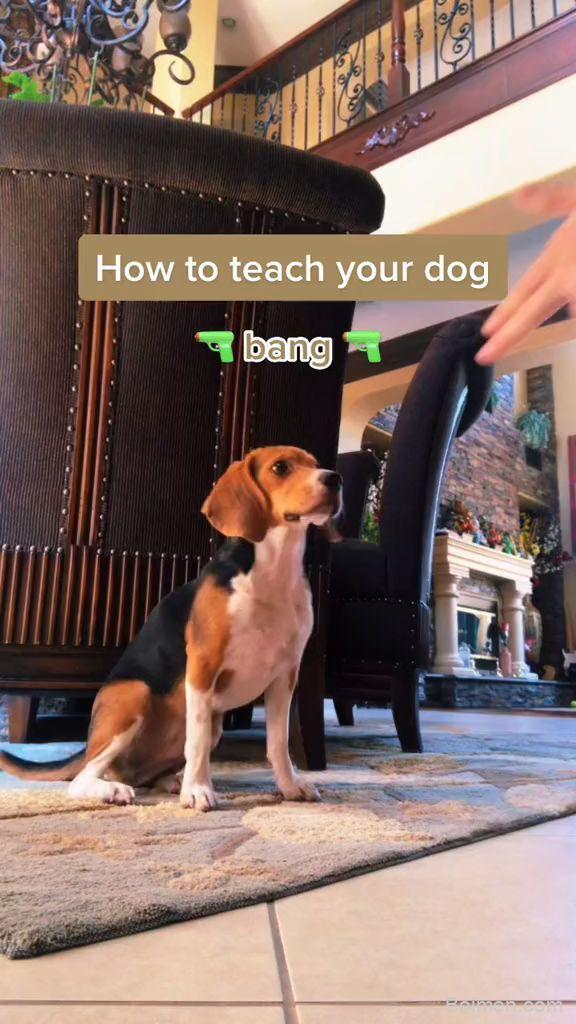
Rainy day? Bored puppy? Turn your living room into a canine obstacle course and watch your dog's tail wag with excitement. These indoor training games are more than just fun – they build focus, burn mental energy, and strengthen your bond, all without stepping outside.
Advertisements1
- Indoor games provide essential mental stimulation that can tire out a dog just as much as a walk.
- Scent games like 'Find It' tap into your dog's natural abilities and build confidence.
- DIY toys from muffin tins, towels, or cardboard boxes are just as effective as expensive puzzles.
- Training games can reinforce obedience skills like 'sit' and 'wait' in a fun, low-pressure way.
- Keep sessions short and always end on a high note to keep your dog motivated.
- Watch for signs of frustration and adjust difficulty to ensure a positive experience.
Why Indoor Games Matter More Than You Think
When the weather keeps you inside, your dog's energy doesn't take a day off. A bored dog can become a destructive dog – think chewed shoes, scratched doors, and non-stop barking. Indoor training games are the perfect solution because they channel that energy into something productive. Research shows that mental stimulation is just as tiring as physical exercise – a 15-minute nose-work session can be more exhausting for your pup than a 30-minute walk. That's because sniffing and problem-solving engage their brain, releasing dopamine and reducing stress.
The Power of Scent Games: Let Their Nose Lead
Dogs experience the world through their noses – they have up to 300 million scent receptors compared to our 5 million. Scent games tap into this superpower, providing incredible mental enrichment. Start simple: hide a treat under a cup and let your dog find it. As they get better, hide treats around the room, under pillows, or in cardboard boxes. You'll see their tail start wagging the moment they catch the scent. This isn't just fun – it builds confidence and teaches persistence. A game like 'Find It' can be played in 5-minute sessions, and you'll notice your dog napping contentedly afterward, mentally satisfied.
Turning Everyday Objects into Training Tools
You don't need expensive equipment to play great indoor games. A muffin tin, some tennis balls, and a few treats become a puzzle. An empty egg carton can become a treasure box. A rolled-up towel with treats hidden inside becomes a 'snuffle mat' – just be sure to supervise to prevent shredding. The beauty of these DIY toys is that they're low-cost, replaceable, and can be rotated to keep your dog interested. For example, a simple muffin tin game: place treats in each cup, cover with a tennis ball, and let your dog figure out how to remove the balls. This game teaches problem-solving and keeps them busy for 10-15 minutes. Always use high-value treats (like small pieces of chicken or cheese) to make the game worth their effort.
Training Games That Teach Real Skills
Games can also reinforce obedience – and your dog won't even realize they're learning. Try 'Red Light, Green Light' to practice impulse control: walk with your dog, say 'green light' for walking, 'red light' for stopping. Or use a 'Wait' game before releasing them to eat dinner. These games translate into real-world manners, like not bolting out the door or jumping on guests. Another favorite is 'Sit to Say Please' – your dog must sit before you toss a toy or treat. This reinforces that polite behavior earns rewards. With consistent practice, you'll see your dog offering sits spontaneously, which is a sign of a well-trained pup.
Setting Up Your Indoor Obstacle Course
You can create a simple agility course in your hallway using pillows as jumps, a broomstick as a hurdle, and a cardboard box as a tunnel. Start with low challenges and always use a happy tone. Guide your dog with a treat lured over each obstacle, saying 'over' or 'through'. Keep sessions short – 5-10 minutes – and end with a fun game of tug. The key is to make it positive and pressure-free. For example, place a pillow flat on the floor and lure your dog to step on it, then gradually raise it with books. Always reward with treats and praise. This kind of play improves coordination, builds trust, and gives your dog a sense of accomplishment.
Interactive Puzzle Toys: The Ultimate Brain Workout
Puzzle toys are a godsend for indoor days. They come in all difficulty levels, from simple treat-dispensing balls to complex sliding-panel puzzles. The trick is to start easy so your dog doesn't get frustrated. For example, the 'Nina Ottosson' puzzles have adjustable difficulty – you can start with the easiest setting and increase as your dog masters each level. A good rule of thumb: if your dog gives up after 2 minutes, it's too hard – go back a step. Rotate toys to keep them novel. And always supervise the first few uses to ensure your dog doesn't chew off any small parts. These toys provide mental stimulation that can prevent anxiety and boredom, especially for high-energy breeds like Border Collies or Jack Russell Terriers.
When to Call It Quits: Reading Your Dog's Signals
Knowing when to stop is as important as knowing how to play. Watch for signs of frustration – excessive drooling, whining, or turning away. A stressed dog isn't learning; they're just overwhelmed. Stop the game, give them a break, and try again later with an easier version. On the flip side, if your dog is intensely focused and having fun, you can keep going for a few more minutes, but always end on a high note – with a success and a reward. This leaves them wanting more. As a general rule, indoor training games should last between 5 to 15 minutes, depending on your dog's age and breed. Puppies have shorter attention spans – keep sessions to 3-5 minutes. Always finish with praise and a treat, so your dog associates training with positivity.
How to Do It, Step by Step
- 1Choose the right game for your dog
Match the game to your dog's personality and energy. For a high-energy pup, try hide-and-seek or fetch up the stairs. For a shy or older dog, start with gentle scent games. This ensures success and keeps frustration low. - 2Start with easy wins
Begin with simple tasks like finding a treat under a cup. Easy successes build your dog's confidence and make them eager to continue. If they struggle, go even simpler – show them the treat, then hide it partially visible. - 3Use high-value rewards
Use special treats that your dog only gets during games – small pieces of cooked chicken, cheese, or freeze-dried liver. This makes the game more exciting and reinforces the behavior strongly. - 4Keep sessions short and sweet
Limit training game sessions to 5-15 minutes. Dogs have short attention spans, and ending on a positive note prevents boredom. If your dog loses interest, stop and try again later. - 5Gradually increase difficulty
Once your dog masters a game, make it slightly harder – hide treats in harder places, or add a distraction. This keeps their brain challenged and prevents them from getting bored. - 6Always end with a success
Always let your dog succeed on the last try, even if you need to help them. This leaves them feeling accomplished and eager to play again. Never end on a failure. - 7Supervise and adapt
Watch your dog's body language. If they seem frustrated, take a break or simplify the game. If they're having a blast, you can extend the session a bit. Always adapt to your dog's mood.
A tired dog is a happy dog, but a mentally tired dog is a peaceful one – indoor games are the secret to both.
Frequently Asked Questions
What are the best indoor games for a high-energy dog?
For high-energy dogs, try hide-and-seek with toys, fetch up the stairs, or a DIY agility course. These games provide both physical and mental exercise, helping to burn off excess energy.
How long should indoor training sessions last?
Keep sessions between 5 and 15 minutes for adult dogs, and just 3-5 minutes for puppies. Short, frequent sessions are more effective than long ones, as they keep your dog engaged and prevent frustration.
Can indoor games help with separation anxiety?
Yes, puzzle toys and scent games can provide a positive distraction when you leave the house. They keep your dog's mind occupied, reducing anxiety and destructive behaviors. Start by giving the toy just before you leave, and gradually increase the time you're away.
What if my dog loses interest in the game?
If your dog loses interest, it may be too hard or too easy. Try simplifying the game or making it more challenging. Also, use higher-value treats or change the game entirely to keep it novel.

Priya explores creative writing prompts and storytelling techniques for aspiring authors. She shares exercises to spark imagination and build narrative confidence, drawn from her own writing practice.


Leave a Comment