
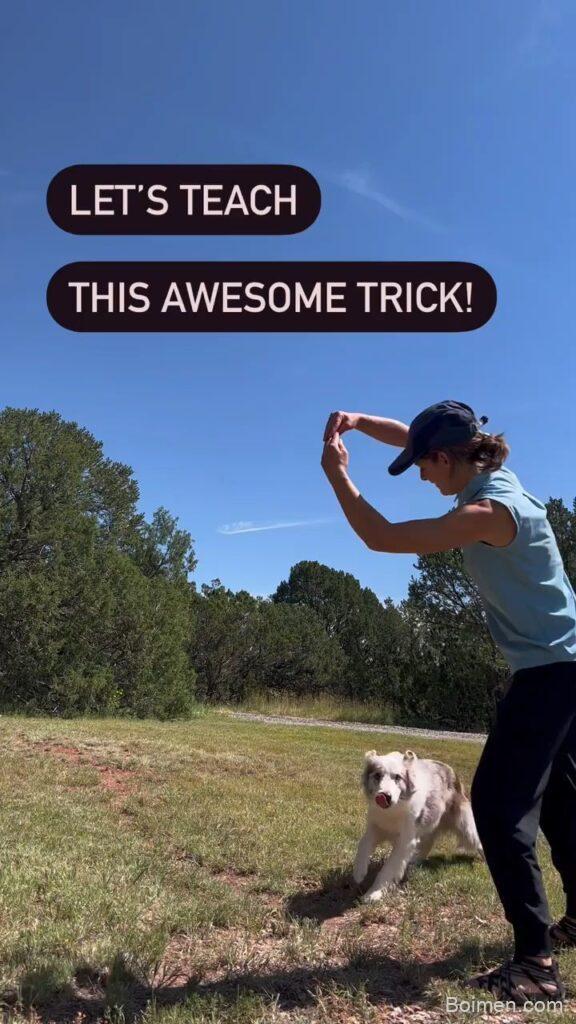
You want a smarter, better-behaved dog? It starts with understanding how dogs learn and using simple, consistent techniques. In this guide, I'll share seven actionable tips that have worked for my clients and my own dogs.
Advertisements1
- Positive reinforcement builds trust and accelerates learning—punishment can backfire.
- Marker training (clicker or verbal) pinpoints the exact moment your dog succeeds, making learning faster.
- Mental stimulation is as important as physical exercise for a well-behaved dog.
- Consistency and good timing are more important than long training sessions.
- Always rule out medical issues before addressing sudden behavior changes.
Why Traditional Dominance Training Fails
Many people still believe they need to be the 'alpha' to get their dog to listen. But science shows that dominance-based training can actually increase fear and aggression. Dogs aren't trying to dominate you; they're trying to figure out what works. When you use force or intimidation, you might get temporary compliance, but you damage trust.
Instead, focus on building a relationship based on clear communication and positive reinforcement. For example, if your dog pulls on the leash, a dominance trainer might use a choke chain. A better approach is to reward your dog for walking beside you. This teaches your dog what you want, not just what you don't want.
I've seen hundreds of dogs transform when their owners switched from punishment to reward-based methods. The dogs become more eager to learn and less stressed. That's the foundation of a smart, well-behaved dog.
The Power of Marker Training: Clickers and Verbal Cues
Marker training uses a distinct sound—like a clicker or a word like 'Yes!'—to mark the exact moment your dog does something right. This is followed by a treat. The marker bridges the gap between the behavior and the reward, making learning faster.
For instance, if you're teaching 'sit,' you click the instant your dog's bottom hits the floor, then treat. Within a few repetitions, your dog will start offering the behavior more often. I've seen dogs learn a new command in under five minutes with a clicker.
You can use a clicker or a verbal marker. The key is consistency: always use the same sound and always follow with a reward. This clarity accelerates learning and builds your dog's confidence.
Mental Enrichment: Beyond Physical Exercise
A tired dog is a good dog, but mental fatigue is just as important. Puzzle toys, nose work, and training games drain energy and build problem-solving skills. A dog that has to think is less likely to be bored and destructive.
Try this: instead of feeding your dog from a bowl, scatter kibble in the grass or use a snuffle mat. This mimics foraging and engages their brain. I gave my border collie a puzzle toy with treats hidden in compartments; she spent 20 minutes working it out and then napped peacefully.
Aim for at least 15 minutes of mental stimulation daily. Rotate toys to keep things novel. You'll see a calmer, more focused dog.
Socialization: The Window of Opportunity
Socialization is not just about meeting other dogs; it's about positive exposure to new people, places, sounds, and surfaces. The critical period is between 3 and 16 weeks, but you can always improve social skills with careful, gradual exposure.
For adult dogs, start small. If your dog is fearful of strangers, have a friend toss treats from a distance without making eye contact. Gradually decrease the distance as your dog becomes comfortable. Never force interaction; let your dog set the pace.
A well-socialized dog is more confident and less reactive. I worked with a rescue terrier who was terrified of men. After two months of counter-conditioning—treats whenever a man appeared—he could happily walk past them. Patience pays off.
Consistency and Timing: The Glue of Training
Dogs learn through repetition and consistency. If you sometimes allow jumping on guests and sometimes scold it, your dog will be confused. Everyone in the household must use the same cues and rules.
Timing is equally crucial. Rewards must come within 1-2 seconds of the behavior, or your dog won't connect them. Using a marker helps pinpoint the exact moment. For example, if you're teaching 'down,' click as soon as elbows touch the ground, not after your dog looks up.
Keep sessions short—5 to 10 minutes—and end on a positive note. Daily practice is better than one long weekly session. This consistency builds reliable habits.
Addressing Unwanted Behaviors Without Punishment
Unwanted behaviors like barking, chewing, or digging often stem from unmet needs. Instead of punishing, redirect and reinforce an alternative behavior. If your dog barks at the window, teach them to go to a mat when they hear a trigger. Reward them for lying quietly.
For chewing, provide appropriate chew toys and praise your dog for using them. If you catch them with your shoe, say 'uh-oh' and offer a toy. This teaches what to chew, not just what not to chew.
Punishment can suppress behavior but doesn't teach what you want. It can also create anxiety. I helped a client whose dog nipped when startled. We taught the dog to 'touch' a hand target instead, and the nipping disappeared because the dog had a new, acceptable way to interact.
The Role of Nutrition and Health in Behavior
A dog's diet affects their behavior. Poor-quality food can lead to low energy, irritability, and poor focus. Look for a diet with named protein sources and no artificial additives. Some dogs are sensitive to certain ingredients, which can cause hyperactivity or lethargy.
Supplements like omega-3 fatty acids support brain health and can improve trainability. Always consult your vet before adding supplements. Also, rule out pain or medical issues if your dog's behavior changes suddenly. A dog with dental pain may become irritable.
I switched my anxious Labrador to a salmon-based food with added omega-3s, and within a month, he was calmer and more responsive in training. Never underestimate the gut-brain connection.
How to Do It, Step by Step
- 1Start with a marker
Choose a clicker or a word like 'Yes!' and use it consistently to mark correct behaviors. This speeds up learning by pinpointing the exact moment your dog succeeds. Always follow with a reward. - 2Train in short bursts
Keep sessions to 5-10 minutes, once or twice a day. Dogs have short attention spans, and short sessions prevent boredom and frustration. End with a success. - 3Use high-value treats
Reserve special treats like tiny pieces of chicken or cheese for training. These are more motivating than regular kibble, especially in distracting environments. - 4Add mental challenges
Introduce puzzle toys, hide-and-seek with treats, or teach a new trick. Mental exercise tires your dog as much as physical exercise and builds problem-solving skills. - 5Socialize gradually
Expose your dog to new sights, sounds, and people at a comfortable distance. Pair new experiences with treats to create positive associations. Never force interactions. - 6Be consistent
Everyone in the household should use the same cues and rules. Inconsistency confuses your dog and slows progress. Write down the cues you use. - 7Redirect, don't punish
When your dog does something unwanted, offer an alternative behavior and reward it. For example, if they jump, ask for a sit and reward that. This teaches what to do instead.
A smart dog isn't born; it's built through clear communication, consistency, and a whole lot of patience.
Frequently Asked Questions
Can I really improve my dog's intelligence?
Yes, you can enhance your dog's problem-solving skills and obedience through training and enrichment. Intelligence in dogs is largely about learning ability, which improves with practice.
What is the best way to train a stubborn dog?
Use high-value rewards and keep sessions short and fun. Stubbornness often means the reward isn't motivating enough or the dog is bored. Find what your dog loves and use it.
How long does it take to change a dog's behavior?
It varies, but you can see improvements in weeks with consistent training. Complex behaviors may take months. Patience and consistency are key.
Is clicker training better than verbal praise?
Both work, but clickers are more precise. The click marks the exact moment, while verbal praise can be delayed. You can use both together.
Should I use treats every time?
In the beginning, yes, to build the behavior. Once your dog is reliable, switch to random rewards (jackpot) to maintain the behavior long-term.

Maya writes about sustainable living and zero-waste swaps for busy families. She focuses on small, actionable changes that fit into real life without judgment or guilt.


Leave a Comment