
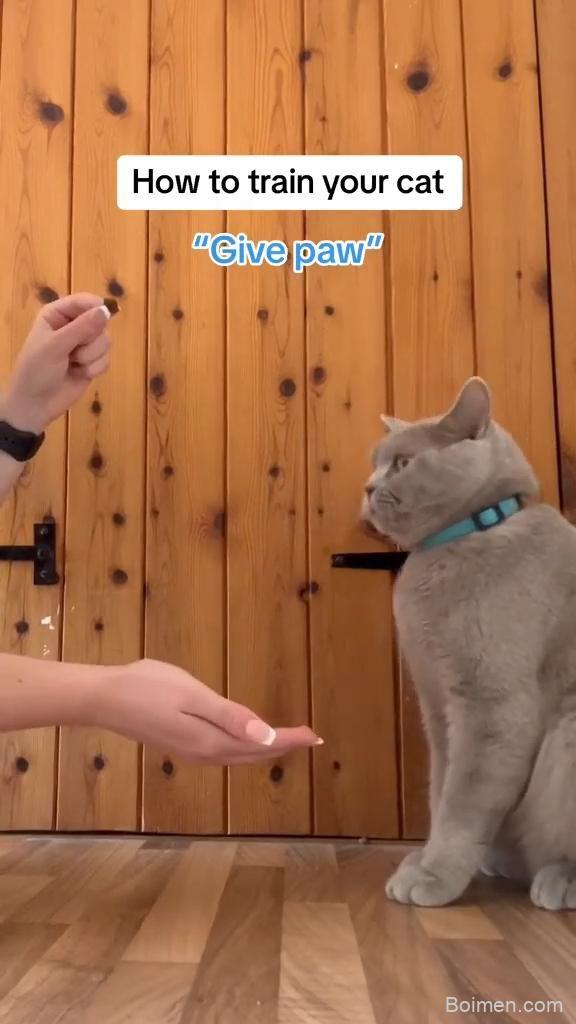
You can train your cat to sit, come, and even walk on a leash—just like a dog. The secret isn't dominance; it's understanding feline motivation and using positive reinforcement. Here's how to get started with real, actionable steps.
Advertisements1
- Cats can learn cues like sit, come, and even leash walking using positive reinforcement—no dominance needed.
- Use high-value treats and a clicker or marker word; timing is critical for your cat to understand.
- Keep training sessions short (3–5 minutes) and frequent (2–3 times daily) to match your cat's attention span.
- Never punish or use aversive tools; they erode trust and make training harder.
- Harness and leash training should be gradual, starting indoors and always letting your cat set the pace.
- Every cat is different—find what motivates yours and be patient. Progress over perfection.
Why Training Your Cat Isn't as Crazy as It Sounds
When I first told my friend I was teaching my cat, Jasper, to high-five, she laughed. But within a week, he was slapping my palm for a treat. Cats are highly intelligent and capable of learning dozens of cues—they just aren't motivated to please us the way dogs are. Dogs evolved as pack animals attuned to human commands; cats are solitary hunters who couldn't care less about your approval unless there's something in it for them. That's actually good news: once you find your cat's currency (usually food or play), training becomes a straightforward exchange.
Research backs this up. A 2019 study in Animal Cognition found that cats can follow pointing gestures and even outperform dogs in some problem-solving tasks when food is involved. The key is short, frequent sessions—no more than 5 minutes at a time, 2–3 times a day. Cats have short attention spans, and pushing past that leads to frustration for both of you. I learned this the hard way when I tried a 15-minute session with Jasper; he walked off after 3 minutes and ignored me for an hour. Now, we do three 3-minute sessions daily, and he's eager for each one.
Forget the old-school dominance myth. You can't alpha-roll a cat into obedience. What works is building a positive association with the training itself. Use high-value treats (freeze-dried chicken or tuna bits), a clicker or a verbal marker like 'yes,' and end every session on a success. Progress over perfection—even one tiny win is worth celebrating.
The Core Tools You Actually Need (No Fancy Gear Required)
You don't need a shock collar or a spray bottle. In fact, aversive tools will destroy your cat's trust and make training harder. Here's what to gather: a clicker (or just a distinct word like 'click'), a pouch of pea-sized treats your cat goes crazy for, a target stick (a chopstick with a small ball on the end works), and a quiet room with minimal distractions. That's it. Total cost: under $15.
The treat choice matters more than you think. If your cat is mildly interested in the treat, they'll walk away. I tested Jasper with his regular kibble—he yawned. Then I tried freeze-dried salmon; he was instantly alert and focused. Use the good stuff only for training, and cut back on regular meals slightly to keep them motivated but not starving. A hungry cat is a focused cat, but a starving cat is a stressed cat. Aim for training before meals, not after.
Timing is everything. The marker (click or 'yes') must happen the instant your cat does the desired behavior, followed immediately by the treat. If you click after they've moved on, you're rewarding the wrong thing. I spent a week accidentally rewarding Jasper for looking at my hand instead of touching the target. Once I sharpened my timing, he learned 'touch' in two days. Practice your clicker timing without your cat first—click when a ball bounces, for example—until it's second nature.
Step-by-Step: Teaching 'Sit' and 'Come' Like a Pro
Start with 'sit' because it's easy to lure. Hold a treat just above your cat's nose and slowly move it back over their head. Most cats will lower their rear to keep their eyes on the treat. The moment their butt hits the floor, click and treat. Repeat 5 times, then take a break. Within a few sessions, add the verbal cue 'sit' just before the lure. Phase out the lure by using an empty hand gesture, then just the word. Jasper learned 'sit' in three days, but he's a food monster. Your cat might take a week or two—that's fine.
'Come' is trickier because cats aren't naturally inclined to run to you. Start in a small room with no hiding spots. Say your cat's name + 'come' in a happy voice, then immediately show a treat. When they walk toward you, click and treat. Gradually increase distance and add distractions. Never call your cat to do something unpleasant (like nail trimming or a bath)—that's the fastest way to poison the cue. I made that mistake once: called Jasper for a vet visit, and he avoided me for two days. Now, I only use 'come' for treats, play, or cuddles, and he comes running 90% of the time.
Keep sessions short and always end with a win. If your cat isn't getting it, break the behavior into smaller steps. For 'sit,' you might first reward any downward movement of the head. For 'come,' reward a single step in your direction. Celebrate every tiny success with your marker and treat. This is the essence of shaping—rewarding successive approximations—and it's how professional animal trainers teach complex behaviors.
Leash Training: Yes, Your Cat Can Walk on a Harness
Walking a cat on a leash is not only possible—it's a great way to provide safe outdoor enrichment. But you can't just clip a leash to a collar and expect them to trot beside you. Start with a harness (H-style or vest-style, not a figure-8) and let your cat wear it indoors for short periods, pairing it with treats and play. Jasper flopped over dramatically the first time I put one on him, but after three days of 5-minute wear sessions with treats, he was walking around normally.
Next, attach a lightweight leash and let them drag it around supervised. Then, pick up the leash and follow your cat around the house, rewarding them for moving forward. Finally, open the door to a quiet outdoor space (a backyard or a quiet sidewalk at off-peak hours). Let your cat lead—this is 'sniffari' style, not a brisk walk. The goal is exploration, not heeling. If your cat freezes, don't pull; wait or lure them forward with a treat. I've found that early morning is best for Jasper—fewer dogs, fewer cars, and he's more curious.
Safety first: never use a retractable leash (they're dangerous and teach pulling), and always check that the harness is snug but not tight—you should fit two fingers under the straps. Avoid areas with loose dogs. And never leave your cat tethered unattended. With patience, most cats will learn to enjoy walks. Jasper now trots to the door when he sees his harness, and we've explored our whole neighborhood together.
Troubleshooting: What to Do When Your Cat Won't Cooperate
If your cat walks away, yawns, or swats at you, they're either not motivated, not understanding, or overwhelmed. First, check your treats. If they're not excited about the food, try something smellier (like sardines or freeze-dried liver). Second, check your timing. Are you clicking too late? Third, check the environment. Is there noise, another pet, or a tempting sunbeam? Move to a boring room. I once tried to train Jasper while my partner was cooking bacon—disaster. Now, I close the door and turn off the TV.
If your cat seems stressed (ears back, tail twitching, hiding), stop immediately. Training should be fun. Forcing it will set you back. Take a break for a day or two, then come back with easier criteria. Maybe you're asking for too much too soon. Break it down. For 'sit,' reward just a head dip. For 'come,' reward a glance in your direction. Build from there.
Remember that every cat is different. Some learn in days, others in weeks. Some prefer clicker training, others respond better to a verbal marker. Some are food-motivated, others will work for a favorite toy or a brush. Pay attention to what makes your cat tick. Jasper will do anything for freeze-dried chicken, but my friend's cat only works for a laser pointer chase. There's no one-size-fits-all. Be flexible and patient.
Beyond Basics: Fun Tricks to Show Off
Once your cat has mastered sit and come, you can teach fun tricks like high-five, spin, roll over, and even fetch. High-five is easy: with your cat sitting, hold a treat in your closed hand near their nose. When they paw at it, click and treat. Gradually shape it so they touch your open palm. Jasper learned this in four sessions and now high-fives everyone who walks in the door.
Spin is another crowd-pleaser. Lure your cat in a circle with a treat—nose follows treat—and click when they complete the circle. Add the word 'spin' and phase out the lure. Roll over is harder: lure them from a sit into a down, then lure their nose around to the side until they flop over. It might take a few weeks, but it's doable. Fetch? Surprisingly, many cats will fetch if you start with a small, light toy they love and reward them for bringing it back. Jasper fetches his favorite crinkle ball, but only three times before he loses interest. Still, it's a fun party trick.
Keep sessions light and playful. If your cat stops responding, end on a good note and try again later. The goal is to strengthen your bond, not to create a circus act. I've found that the more I train Jasper, the more attuned we are to each other. He's more confident, less bored, and we have a shared language. That's the real reward.
How to Do It, Step by Step
- 1Gather your tools
Get a clicker (or pick a marker word), high-value treats, and a target stick. Keep sessions short—3–5 minutes, 2–3 times daily. - 2Charge the clicker
Click, then treat. Repeat 10 times. This teaches your cat that the click means a reward is coming. Do this before any formal training. - 3Teach 'sit' with a lure
Hold a treat above your cat's nose and move it back over their head. The moment their butt hits the floor, click and treat. Add the word 'sit' after a few successes. - 4Practice 'come' in a small room
Say your cat's name + 'come' in a happy voice, then show a treat. Reward any movement toward you. Gradually increase distance and distractions. - 5Introduce the harness
Let your cat wear a harness indoors for 5 minutes at a time, pairing with treats and play. Once comfortable, attach a lightweight leash and let them drag it supervised. - 6Take walks indoors first
Walk your cat around the house on a leash, letting them lead. Reward forward movement. Then try a quiet outdoor spot at off-peak hours. - 7Shape fun tricks
Teach high-five by rewarding a paw touch, spin by luring in a circle, and roll over by luring from a down. Keep sessions playful and end on a win.
Training your cat isn't about dominance; it's about building a shared language of trust and rewards.
Frequently Asked Questions
Can you really train a cat like a dog?
Yes, but with a different approach. Cats can learn many of the same cues—sit, come, stay, leash walking—but they respond best to positive reinforcement and short sessions, not obedience-style commands.
What treats are best for training a cat?
High-value treats like freeze-dried chicken, salmon, or tuna bits work best. They should be small (pea-sized) and only used for training to keep your cat motivated.
How long does it take to train a cat?
It varies by cat and behavior. Simple cues like 'sit' can be learned in a few days to a week, while more complex tricks or leash training may take several weeks of consistent short sessions.
Is clicker training effective for cats?
Absolutely. Clicker training provides clear, immediate feedback and is highly effective for cats. You can also use a verbal marker like 'yes' if a clicker feels awkward.
Why does my cat ignore me during training?
Your cat may be unmotivated, distracted, or confused. Check your treat value, timing, and environment. If they're stressed, stop and try again later with easier steps.

Maya writes about sustainable living and zero-waste swaps for everyday families. She focuses on small, budget-friendly changes that actually stick, tested in her own chaotic kitchen.


Leave a Comment