
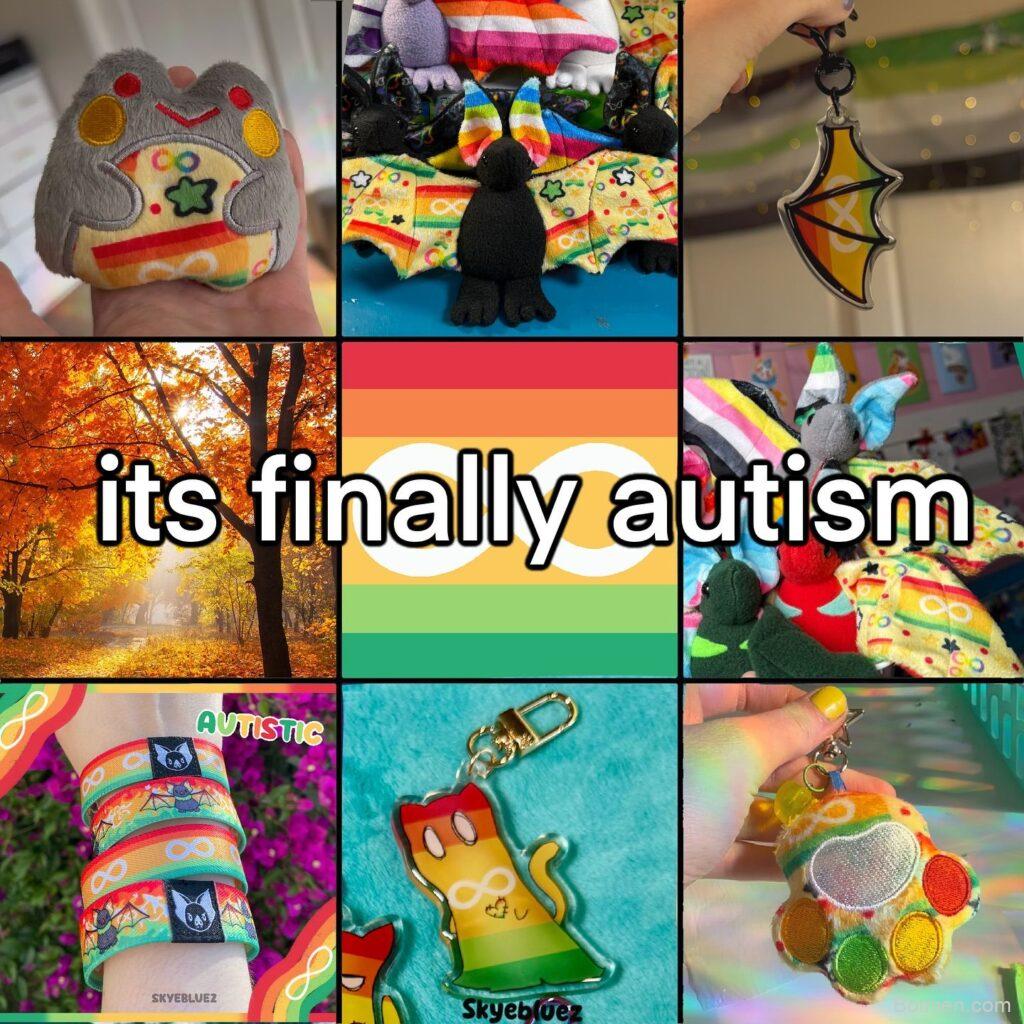
Most people who want a plushie that actually reflects autistic identity run into the same wall: mass-produced toys treat neurodivergence as a marketing label, not a lived experience. You end up choosing between generic stuffed animals and overpriced “awareness” merch designed by people who have never used a fidget in their life. The alternative is a quiet layer of the internet: small handmade shops, often run by autistic makers themselves, where a plushie is built to be squeezed, chewed near, slept with, and repaired rather than replaced.
Advertisements1
Quick win: before you scroll, open two tabs — one for a shop you like, one for its Instagram. Most of these makers announce restocks there first, and the good drops vanish in under a day.
Table of Contents(Click to Toggle)
- Why handmade autistic plushies beat mass-market toys
- The 17 shops and makers worth watching
- 1. Etsy
- 2. Squishable
- 3. Jellycat
- 4. Build-A-Bear Workshop
- 5. Plushie Dreadfuls
- 6. Kawaii Kitten Creations
- 7. Sock Plushie Makers on Instagram
- 8. Weighted Blanket and Plush Makers
- 9. Amigurumi Pattern Designers
- 10. Bearly Artisan
- 11. Stuffed Animal Repair Shops
- 12. Bat-Themed Plush Makers
- 13. Squishmallow
- 14. Handmade Sensory Fidget Plushies
- 15. Custom Portrait Plush Makers
- 16. Neurodivergent-Owned Plush Shops
- 17. Plushie Photography and Community Accounts
- Bonus Mentions
- The quiet corner of the internet that keeps selling out
Why handmade autistic plushies beat mass-market toys
There is a practical reason this niche exists. A plushie used as a sensory object gets handled differently from a display toy: it is squeezed during overload, rubbed against a cheek, carried in a bag, and washed far more often. That changes what matters — seam strength, fabric weight, stuffing density, and whether a maker will repair rather than replace.
Small shops also solve a representation problem. A bat plushie with a stitched-on detail, a weighted body, or a specific texture is not a gimmick when the buyer chose it deliberately. The trade-off is real, though: handmade means limited stock, longer shipping, and prices that reflect hourly labor. Below are the platforms and makers where that trade-off is usually worth it.
The 17 shops and makers worth watching
1. Etsy : The widest searchable pool of handmade plush makers
What it is: A marketplace where thousands of independent plush sellers list one-off and small-batch items.
Category: Marketplace
Why it stands out:
- Filters for “handmade” and “made to order” separate real makers from resellers
- Shop review counts and “star seller” badges give a rough reliability signal
- Message-the-seller function lets you ask about fabric weight before buying
Best for: Finding a specific animal, color, or texture that no big brand makes.
2. Squishable : Oversized round plushies built for hugging
What it is: A plush company known for large, dense, round designs including bats, moths, and other unusual animals.
Category: Independent brand
Why it stands out:
- Their bat and moth designs are unusually detailed for the price band
- Stuffing is firm enough to hold shape after repeated squeezing
- Size range goes from palm-sized to genuinely enormous
Best for: Buyers who want weight and volume rather than a small pocket plush.
3. Jellycat : Softness-first construction with a collector following
What it is: A British plush brand whose fabrics are noticeably softer than most retail equivalents.
Category: Independent brand
Why it stands out:
- Their “Bashful” line uses a short-pile fabric that resists matting
- Consistent sizing makes them easy to compare before ordering
- Resale demand is high, so older designs hold value
Best for: Texture-sensitive buyers who prioritize feel over novelty shape.
4. Build-A-Bear Workshop : Custom stuffing density on demand
What it is: A retail chain where you choose the shell and control how firm the stuffing is.
Category: Custom retail
Why it stands out:
- You can request a softer or firmer fill in person, which almost no online shop offers
- Scent discs and sound chips add sensory layers
- In-store repair and restuffing is available at many locations
Best for: Anyone who needs to test the plush physically before committing.
5. Plushie Dreadfuls : Mental-health-themed plushies with real design intent
What it is: A plush line that builds characters around neurodivergence and mental-health experiences.
Category: Niche brand
Why it stands out:
- Designs are created with input from the communities they represent
- Each character ships with a short written backstory card
- Batches are limited, which keeps designs from becoming generic
Best for: Buyers who want the plush to mean something specific, not just look cute.
6. Kawaii Kitten Creations : Small-batch makers found through Instagram
What it is: A category of micro-shops that sell almost entirely through Instagram DMs and stories.
Category: Social-commerce makers
Why it stands out:
- Restocks are announced in stories, often with a 24-hour window
- You can request custom colors directly in a DM
- Prices are usually lower than marketplace equivalents because there are no listing fees
Best for: Buyers willing to follow a shop for weeks to catch a drop.
7. Sock Plushie Makers on TikTok : DIY plushies you can replicate at home
What it is: A large community of makers who sew plushies from socks and post full process videos.
Category: DIY community
Why it stands out:
- Most tutorials need only a needle, thread, and two socks
- You control the stuffing density completely
- Finished pieces are cheap enough to make duplicates for travel
Best for: People who want a plushie today rather than waiting on shipping.
8. Weighted Blanket and Plush Makers : Sensory weight in a soft form
What it is: Sellers who combine plush construction with weighted inserts, usually glass or plastic beads.
Category: Sensory products
Why it stands out:
- Weight is usually listed in grams, so you can compare precisely
- Many offer removable inserts for washing the outer shell
- Seams are typically double-stitched to handle the extra load
Best for: Buyers who want deep-pressure input from a plush rather than a blanket.
9. Amigurumi Pattern Designers : Crochet patterns you can size yourself
What it is: Designers who publish crochet patterns for stuffed characters, often with bat and moth designs.
Category: Patterns and craft
Why it stands out:
- Patterns specify yarn weight, so you can predict the final size
- You can substitute a softer yarn if texture matters more than shape
- Ravelry project pages show real photos from other makers
Best for: Crafters who want full control over size, texture, and stuffing.
10. Bearly Artisan : Repair-friendly construction from small workshops
What it is: A category of artisan plush makers who prioritize repairable seams and replaceable parts.
Category: Artisan makers
Why it stands out:
- Many offer a repair service if a seam splits after months of use
- Eyes are often embroidered rather than plastic, which removes a common failure point
- Makers usually document materials on the listing page
Best for: Heavy daily use where durability matters more than novelty.
11. Stuffed Animal Repair Shops : Restoring a plush you already love
What it is: Specialists who restuff, re-stitch, and clean worn plushies instead of replacing them.
Category: Repair service
Why it stands out:
- Restuffing can change a flattened plush back to its original density
- Some shops replace worn fabric patches with matching material
- Cleaning services handle years of accumulated oils and dust
Best for: Anyone attached to a plush that is no longer sold anywhere.
12. Bat-Themed Plush Makers : The specific animal niche that sells out fastest
What it is: Makers who specialize in bats, moths, and other animals underrepresented in retail toy aisles.
Category: Niche makers
Why it stands out:
- Wing construction is the hard part, so specialists produce noticeably better shapes
- Makers often release seasonal colorways that never restock
- Small runs mean your plush is unlikely to appear in someone else’s photo
Best for: Buyers hunting a specific species rather than a generic bear.
13. Squishmallow : Consistent softness at retail scale
What it is: A widely available plush line known for a uniform marshmallow-like fill.
Category: Retail brand
Why it stands out:
- Fill consistency is reliable across sizes, which matters for texture-sensitive buyers
- Availability in physical stores means you can test the feel first
- Large size range from clip-on to jumbo
Best for: A dependable everyday plush that is easy to replace if lost.
14. Handmade Sensory Fidget Plushies : Plushies with built-in fidget elements
What it is: Plush toys that integrate zippers, beads, tags, or textured panels into the body.
Category: Sensory products
Why it stands out:
- Multiple textures in one object reduce how many items you carry
- Ribbon tags and zipper pulls are replaceable if they wear out
- Quiet construction means they work in classrooms and offices
Best for: People who fidget with their hands while reading or working.
15. Custom Portrait Plush Makers : A plush made to match a photo
What it is: Makers who sew a plush based on a photo you send, including pets and original characters.
Category: Custom commissions
Why it stands out:
- You approve a sketch or fabric mockup before sewing begins
- Turnaround is usually two to six weeks depending on queue
- Makers often keep your pattern on file for future duplicates
Best for: A one-of-a-kind gift or a plush version of a comfort character.
16. Neurodivergent-Owned Plush Shops : Makers who understand the use case
What it is: Shops that state openly that they are run by autistic or otherwise neurodivergent makers.
Category: Community makers
Why it stands out:
- Listings often describe texture and weight in unusually precise terms
- Makers tend to accommodate specific requests about seams and tags
- Communication is usually direct about production timelines
Best for: Buyers who want a maker who already knows what the plush will be used for.
17. Plushie Photography and Community Accounts : Where restock news actually breaks
What it is: Accounts that photograph plushies in daily-life settings and aggregate drop announcements.
Category: Community
Why it stands out:
- They post restock dates before shops update their own pages
- Comment sections surface honest notes about fabric and sizing
- Photo comparisons show real scale next to everyday objects
Best for: Staying ahead of drops without checking twenty shop pages daily.
Bonus Mentions
r/plushies on Reddit : Honest buyer reviews before you spend
What it is: A forum where buyers post real photos and note when a plush arrived flatter than advertised.
Category: Community
Why it stands out:
- Search the shop name before buying to find past complaints
- Users compare fill density across brands in plain language
Best for: Vetting a shop you have never ordered from.
Pinterest Plushie Boards : Visual research for color and shape
What it is: Curated boards that collect plush designs by animal, palette, or maker.
Category: Visual research
Why it stands out:
- Useful for narrowing down what you actually want before searching shops
- Pins often link back to the original maker
Best for: Building a shortlist of shapes and colors you like.
Ravelry Yarn Database : Choosing the right texture before you sew
What it is: A searchable database of yarns with weight, fiber, and user notes.
Category: Craft reference
Why it stands out:
- Filter by fiber if you need something washable or non-scratchy
- Project notes reveal how a yarn holds up after washing
Best for: Anyone making their own plush and picking materials.
The quiet corner of the internet that keeps selling out
The pattern across all seventeen is consistent: the best plushies for this use case are not the loudest listings. They come from makers who describe fabric weight in grams, who embroider eyes instead of gluing plastic ones, and who will restuff a plush three years after you bought it. That is a different standard from a toy aisle, and it is why these shops sell out quietly and restock without fanfare.
If you only do one thing, follow two makers whose work you actually like and turn on story notifications. The rest tends to sort itself out.
Which small maker did you find first — and did the plush hold up the way you hoped?
Stay focused, stay light.

Kenji covers tech productivity and digital minimalism for remote workers. He writes about streamlining workflows and cutting digital clutter with a focus on mental clarity, not just efficiency.


Leave a Comment