
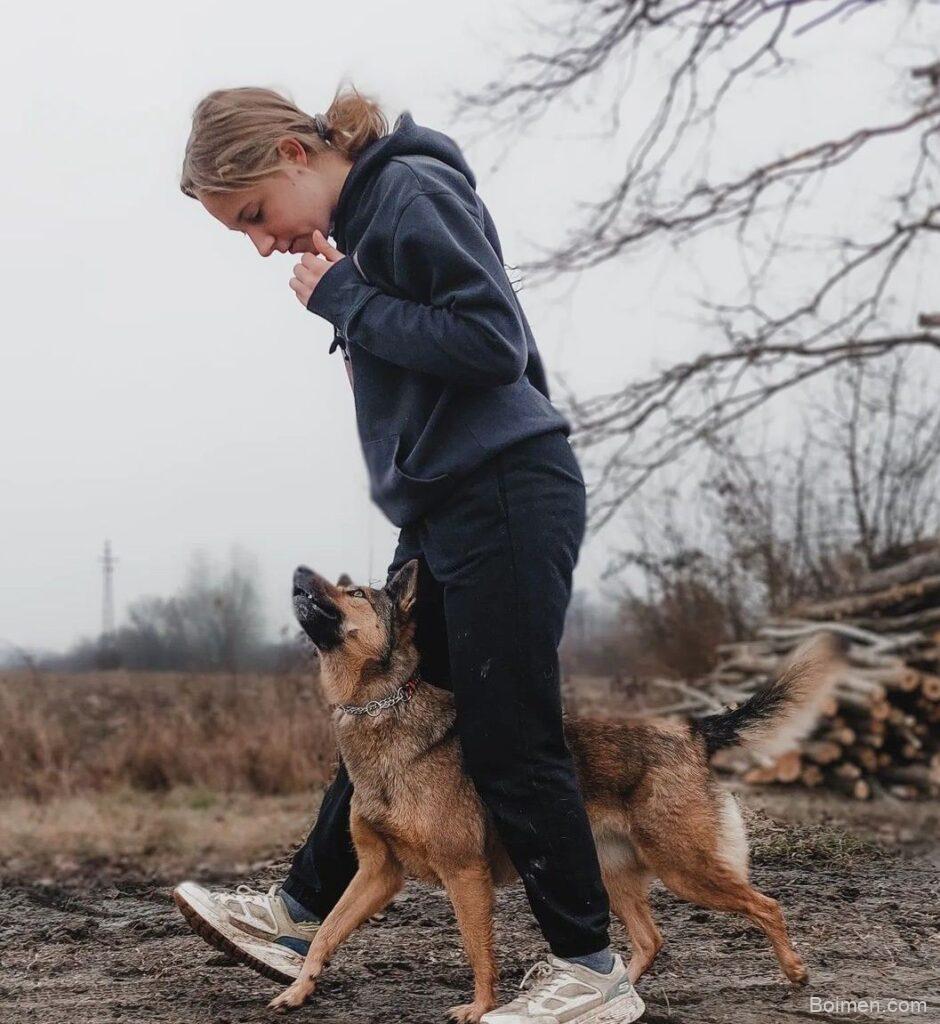
Free dog training videos are everywhere, and about 80% of them will teach your dog the wrong thing if you follow along blindly. The trick isn't finding videos — it's knowing which ones to trust and how to translate a 6-minute clip into a skill your dog actually keeps.
Advertisements1
- Most free training videos are highlights, not lessons — check for a named certification and visible mistakes before trusting one.
- Five-minute sessions, three times a day, outperform marathon watching and weekend cramming every time.
- Charge your marker word with ten rapid repetitions before expecting it to work as a training tool.
- Change one variable per session (distance, duration, or distraction) so you know exactly what caused a failure.
- Free shelter and university extension libraries are often more methodologically sound than viral clips.
- Aggression, biting, and resource guarding need a qualified behavior consultant — videos are for training, not assessment.
Why Most People Watch Training Videos Backwards
Here's the pattern I see constantly: someone searches "how to stop dog pulling," watches the first clip with a confident thumbnail, tries it once in the living room, and concludes the method doesn't work. The problem is sequencing. A good trainer's video is usually the third or fourth step in a plan, not the first.
Think of it like following a recipe video on Instagram. The creator already has their mise en place done — vegetables chopped, oven preheated. You're watching the fun part while skipping the prep. With dog training, the "prep" is things like a marker word (a short sound like "yes" that tells your dog exactly which behavior earned a treat), a food reward your dog will work for, and a low-distraction space.
Before you press play on any training video, do a 30-second audit: does the trainer show the dog's starting point? Do they name the technique? Do they show what happens when the dog gets it wrong? If all three are missing, you're watching a highlight reel, not a lesson.
How to Spot a Free Video Worth Your Dog's Time
Free doesn't mean low quality — some of the best trainers in the world post full lessons on YouTube for free. But the platform rewards drama over substance, so you have to filter. My personal checklist has four items.
First, look for credentials stated plainly: CPDT-KA (Certified Professional Dog Trainer – Knowledge Assessed), KPA CTP (Karen Pryor Academy Certified Training Partner), or similar. These aren't the only markers of skill, but they mean someone sat an exam. Second, check the method. If the video involves jerking a leash, shouting, or "alpha" language, close the tab — modern behavior science moved past dominance theory decades ago. Third, watch for a real dog making real mistakes. A trainer whose demo dog is flawless is showing you a rehearsal, not a class. Fourth, check the comments for "this worked for my reactive dog" versus "my dog shut down after this." Both are data.
A useful rule of thumb: if a video is under two minutes and promises to fix a behavior, it's entertainment. Genuine training content usually runs 8–20 minutes because it has to show the boring middle part where learning happens.
The 5-Minute Rule That Beats Marathon Watching
You can binge-watch ten hours of training content and your dog will learn absolutely nothing, because dogs don't learn from your screen time. They learn from repetitions — and short ones. I tell clients to cap any single training session at five minutes, especially with puppies whose attention spans are roughly that of a gnat at a picnic.
Here's the workflow I recommend: watch one video, pick one behavior, and train it for five minutes. Then stop, even if it's going well. End on a win. This is called "jackpotting the ending" in some circles — you're stacking the odds that your dog remembers the session as fun rather than frustrating.
Do that three times a day and you'll get more progress in a week than someone who watches every video on the internet and trains once. The math is simple: 15 minutes daily of focused reps beats a two-hour weekend cram every time. Dogs consolidate skills like humans do with language — little and often wins.
Turn a Video Into a Lesson Plan: The Copy-Adapt-Test Loop
Watching is passive; training is active. The bridge between them is a three-step loop I call copy, adapt, test. Copy means replicate the trainer's setup exactly the first time — same treat type, same position, same distance. If they're using tiny cubes of cheese and you're using kibble, your dog's motivation will be different and the lesson may collapse.
Adapt means adjusting one variable at a time for your dog. A 12-week-old Labrador and a 6-year-old rescue with a bite history need wildly different versions of "sit." Change the environment (living room to backyard), the duration, or the distraction — but only one per session, or you won't know what broke.
Test means checking whether the behavior survives without the video in front of you. Can your dog sit on cue when you're not holding a treat? Can they do it in the hallway? If not, you're still in the copy phase and that's fine. Most people quit at the adapt stage because they assume failure means the method is wrong, when actually it just means the step was too big.
Free Video Libraries Actually Worth Bookmarking
Rather than send you into a search engine void, here are the types of free resources that consistently deliver. YouTube channels from certified trainers often include full series — look for playlists labeled "puppy foundations" or "reactivity" rather than one-off viral clips. Many animal shelters and humane societies post free training series as part of their behavior support programs, and those tend to be methodologically sound because they're accountable to animal welfare standards.
University extension programs and veterinary behavior organizations also publish free webinars and short videos, often on topics like separation anxiety or resource guarding that are too complex for a 60-second clip. If you have a specific problem — leash reactivity, counter-surfing, crate training — search the behavior name plus "certified trainer" rather than the symptom plus "hack."
One caveat: free content often skips the safety screening. If your dog has bitten, shows resource guarding around food, or freezes and growls, that's a case for a qualified behavior consultant (often a veterinary behaviorist), not a video. Videos are for training; aggression needs assessment.
The Equipment You Need (It's Less Than You Think)
You don't need a clicker, a training vest, or a special treat pouch to start — though a pouch does make you look pleasingly official to your neighbors. What you actually need: high-value treats cut to pea-sized pieces (about 200 per session if you're doing lots of reps), a quiet space, and a marker word or clicker.
Here's the detail most videos gloss over: treat size matters more than treat type. A pea-sized piece delivers the reward without filling your dog up — a dog who's full stops working. And a marker word only works if you "charge" it first: say "yes" and immediately treat, ten times in a row, with no behavior required. That's called conditioning the marker, and skipping it is like trying to use a laser pointer before you've plugged it in.
For leash skills, a front-clip harness reduces pulling leverage without the discomfort of a slip collar. For recall, a long line (10–30 feet) is the single most useful piece of free-training gear you can buy — it lets your dog practice coming back from a distance while you stay in control.
How to Do It, Step by Step
- 1Audit the trainer before you watch
Check for a named certification (CPDT-KA, KPA CTP) and modern, reward-based methods. Skip anything using dominance language or leash jerks — those methods carry documented welfare risks. - 2Charge your marker word
Say "yes" and immediately give a pea-sized treat, ten times, with no behavior required. This teaches your dog that the word predicts food, which is what makes it useful later. - 3Pick exactly one behavior per video
Write it down: "sit with a hand signal," "name response," "loose leash in the driveway." One target keeps sessions focused and progress measurable. - 4Copy the setup exactly once
Match the trainer's treat value, position, and distance on your first attempt. Changing variables before you've replicated the lesson makes it impossible to know what failed. - 5Train for five minutes, then stop
End on a success even if it's small. Three five-minute sessions daily beats one long weekend cram for retention. - 6Adapt one variable per session
Add distance, duration, or distraction — never two at once. If the behavior breaks, you've found your dog's current threshold, which is useful information. - 7Test without the video
Try the cue in a new room with no treats visible. If it holds, you've generalized the skill; if not, drop back a step and repeat. - 8Log your sessions
Note date, behavior, duration, and success rate in a notes app. Patterns show up fast — most "plateaus" are actually too-big steps from two weeks earlier.
A training video is a recipe, not a meal — your dog only eats when you cook.
Frequently Asked Questions
Are free dog training videos as good as paid courses?
Often yes, if the trainer is certified and shows real training rather than edited highlights. Paid courses mainly buy you structure and sequencing, so if you're disciplined about following a free playlist in order, you'll get most of the benefit.
How long should I train my dog each day?
Three to five minutes per session, two to three times a day, is ideal for most dogs and puppies. Short, frequent reps build habits faster than long sessions because attention and motivation fade quickly.
What is a marker word in dog training?
A marker word is a short sound like "yes" that tells your dog precisely which behavior earned a reward. You charge it first by pairing it with treats so the word itself becomes rewarding.
Can I train my dog by watching YouTube only?
You can learn a great deal from YouTube, but you need to practice actively and adapt to your individual dog. Videos can't see your dog's body language, so pair them with careful observation and, for complex issues, a professional.
What should I do if my dog is aggressive and training videos aren't helping?
Stop and consult a qualified behavior consultant, ideally a veterinary behaviorist if there's a bite history. Aggression involves safety and welfare considerations that generic videos can't assess.

Kwame writes about technology and digital privacy for everyday users. He breaks down complex topics like data tracking and encryption into simple, relatable terms.


Leave a Comment