
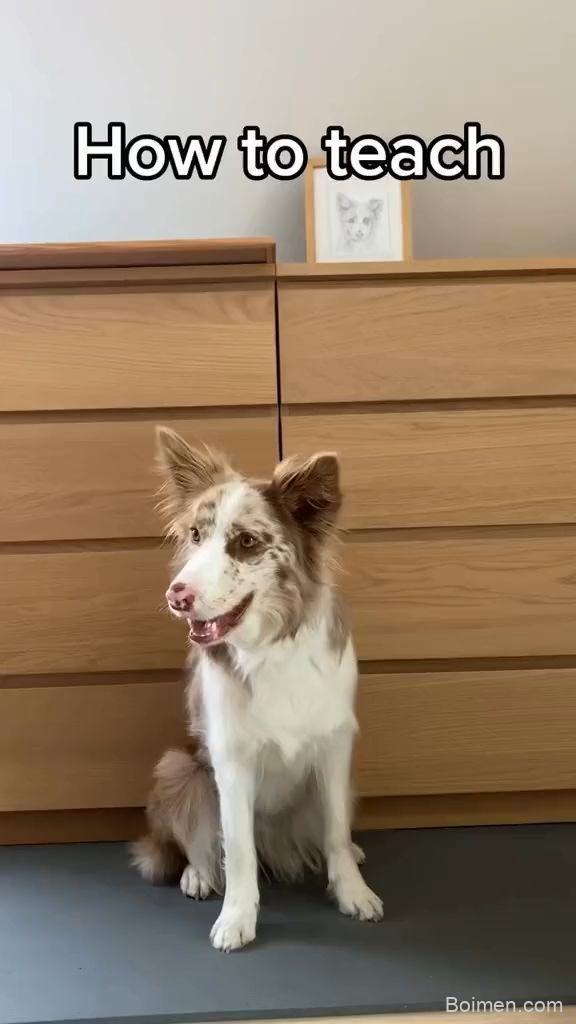
Most new dog owners don't fail because they're lazy — they fail because nobody told them a puppy's attention span is about three minutes. These ten tips are the ones I give every client in their first week, and each one comes with the exact mistake to avoid.
Advertisements1
- Three to five minute sessions, three times a day, teach more than one long drill.
- Reward within one second of the behavior or you may reward the wrong thing.
- Train before meals when food motivation is highest.
- Management stops bad habits from being practiced while training catches up.
- A loose leash and a happy voice do more than any correction.
- End on a win and write down one line about every session.
Start With Three-Minute Sessions, Not Thirty
A young puppy can hold focus for roughly three to five minutes before the brain checks out. Train in short bursts, three or four times a day, and stop while your dog is still winning. You'll get more real learning in twelve minutes spread across a day than in one long, frustrating half hour.
Here's a concrete example. When I taught my neighbor's eight-week-old labrador 'sit,' she did four reps in the kitchen before breakfast, four at the back door, and four before dinner. By day three, he was sitting before she even asked. Had she drilled him for twenty minutes straight, he'd have started biting the treat pouch out of sheer overload.
Short sessions also protect your patience. A tired, distracted dog makes mistakes, and mistakes make you tense. End on a success and both of you walk away wanting more.
Reward the Behavior You Want Within One Second
Dogs connect a reward to whatever they were doing at the exact moment it arrived. If your puppy sits and you fumble for a treat for four seconds, you may accidentally reward the stand-up that happened in between. Keep treats in your pocket, not in a jar across the room.
Try this: say 'sit,' and the instant that rear hits the floor, mark it with a cheerful 'yes!' and deliver the treat. That marker word becomes a precise timestamp. I use a clicker with some dogs, but a plain 'yes' works just as well and you never leave it at home.
This timing habit fixes more training problems than any fancy technique. Most 'stubborn' dogs I meet are simply getting rewarded for the wrong half-second.
Train Before Meals, Not After
A fed dog is a sleepy dog. Schedule your training sessions right before breakfast and dinner, when food motivation is highest and your treats carry real value. You'll see sharper focus and faster learning with zero extra effort.
One client couldn't figure out why her terrier ignored 'come' in the evening. Turns out she was practicing twenty minutes after a full bowl of kibble. We moved sessions to just before dinner and his recall improved within a week — same dog, same treats, better timing.
You can also use part of your dog's regular meal as training rewards instead of extra treats. Measure out the daily portion, set a handful aside, and use that for the day's lessons. It keeps calorie intake steady and makes every piece of kibble earn its keep.
Teach One Cue at a Time and Proof It Everywhere
Dogs don't generalize well. A 'sit' that's perfect in your living room often vanishes on the sidewalk because the whole picture changed. Teach one new cue at a time, get it solid in a quiet room, then practice it in the yard, on the porch, and finally on a quiet street.
I call this layering. My client's spaniel had a flawless 'down' in the kitchen but looked baffled at the park. We spent one week adding a single new location per day — hallway, driveway, front lawn — and by Sunday she was dropping on command next to a busy trail.
Resist the urge to stack new cues. Adding 'stay' before 'sit' is reliable is like building a roof before the walls. One skill, many places, then move on.
Use Management First, Training Second
Training takes weeks; management works today. If your puppy chews shoes, put shoes behind a closet door while you teach 'leave it.' If your dog jumps on guests, leash him before the doorbell rings. Management prevents rehearsal of bad habits, and every repetition — good or bad — makes that behavior stronger.
A friend of mine was losing her mind over her beagle raiding the kitchen trash. Before we trained anything, we put the bin inside a cabinet. The behavior stopped overnight because it could no longer be practiced. Then we taught a solid 'leave it' at leisure.
Think of management as buying yourself breathing room. You're not avoiding training — you're stopping the score from climbing while you teach the new skill.
Keep Your Voice Happy and Your Leash Loose
Dogs read tone and body tension before they parse words. If you call 'come' in a stern voice while leaning forward, you sound like trouble. Use a bright, upward tone for invitations like 'come' and 'let's go,' and save a calm, flat tone for boundaries.
Leash tension matters just as much. A tight leash signals stress and often triggers pulling. Practice in your hallway: hold the leash with slack, take three steps, and reward any moment the leash stays loose. My client's husky went from dragging her down the block to walking politely in about two weeks of five-minute hallway sessions.
If you feel yourself gripping hard, stop, breathe, and reset. Your dog is mirroring you more than you realize.
End Every Session on a Win and Log It
Finish while your dog is still succeeding, even if that's after two perfect reps. A quick 'yes!' and a jackpot of three treats tells your dog training is fun and worth showing up for. Then jot one line in your phone: what you worked on and how it went.
That tiny log is gold. After two weeks you'll see patterns — 'recall falls apart near the mailbox' or 'settles faster in the morning.' I've had clients solve month-long problems just by reading their own notes back.
It also keeps you honest about consistency. Three short sessions a day looks impressive in a log and takes less than fifteen minutes total.
How to Do It, Step by Step
- 1Set up a treat station by the door
Fill a small jar with pea-sized treats and keep it by the front door. Grab a handful before every walk so you're always ready to reward a good 'sit' at the curb. - 2Pick one marker word
Choose 'yes' or a clicker and use it every single time before the treat. Consistency makes the marker meaningful within a few days. - 3Schedule three 3-minute sessions
Set phone reminders for before breakfast, midday, and before dinner. Short and frequent beats long and rare every time. - 4Remove one temptation today
Pick the single worst household habit — trash raiding, shoe chewing — and physically block access before you train the alternative. - 5Practice one cue in a new place daily
Take your solid 'sit' to the hallway, then the porch, then the sidewalk. One new location per day builds real-world reliability. - 6Log one line after each session
Note the cue, the location, and how it went. Review the log weekly to spot what's working and what needs more reps.
Most 'stubborn' dogs aren't stubborn at all — they're just being rewarded for the wrong half-second.
Frequently Asked Questions
How long should dog training sessions be for a puppy?
Three to five minutes, three or four times a day. Puppies lose focus quickly, so short sessions keep learning sharp and prevent frustration for both of you.
What should I teach my new dog first?
Start with name recognition and 'sit.' Both are simple, easy to reward, and build the habit of paying attention to you before you add harder cues.
Should I use treats every time I train?
Yes at first, then fade to occasional rewards once the behavior is reliable. Treats build the behavior; praise and life rewards maintain it.
Why does my dog ignore commands outside the house?
Dogs don't generalize well, so a cue learned indoors often fails in new places. Practice the same cue in one new location at a time to build real-world reliability.
How do I stop my puppy from chewing my things?
Manage first by removing access to the items, then redirect to an approved chew toy and reward that choice. Every chewed shoe rehearses the habit, so prevention buys you training time.

Maya writes about sustainable living and zero-waste swaps for busy families. She focuses on small, actionable changes that fit into real life without judgment or guilt.


Leave a Comment