
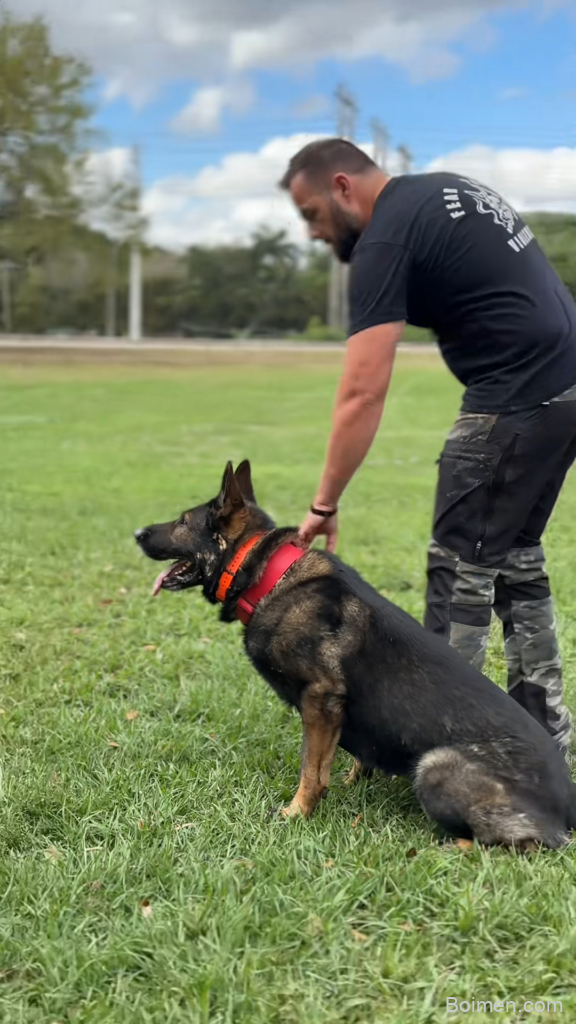
When my dog Chiko finally nailed a 30-second stay with a squirrel taunting him, I knew our training had reached full power. In this guide, I'll share the exact steps and tips that got us there—no fancy gear, just consistency and a few game-changing tweaks.
Advertisements1
- A 5-minute focus ritual before training boosts engagement and sets the tone.
- Reserve high-value treats for difficult tasks to increase motivation.
- Short, frequent training bursts (3 minutes) are more effective than long sessions.
- Gradually proof behaviors against distractions to build reliability.
- Teaching a 'check-in' cue creates off-leash freedom and connection.
- Always end training on a success to keep your dog eager to learn.
Start with a 5-Minute Focus Ritual
Every training session with Chiko begins with a 5-minute focus ritual. I grab his favorite tug toy and we play a quick game of tug, then I ask for a simple sit. This primes his brain for work mode. It's not about wearing him out; it's about switching on his engagement. Try it before you ask for anything hard. You'll see a huge difference in responsiveness.
Why it works: Dogs, like us, need a warm-up. Jumping straight into commands is like asking someone to sprint without stretching. A short play session raises dopamine and makes training feel like a game, not a chore. I learned this from a trainer who said, 'Engagement before obedience.' Now, Chiko offers attention instead of me demanding it.
Use High-Value Treats Only for Hard Stuff
I made the mistake of using kibble for everything. Chiko would comply for easy stuff but check out when things got tough. Then I switched to a three-tier treat system: boring kibble for easy commands, freeze-dried liver for medium, and bits of hot dog for distractions. Suddenly, his recall in the park went from 50% to 90%.
Here's the reasoning: If you pay minimum wage, you get minimum effort. For a dog, a hot dog is a bonus. Reserve the best rewards for the hardest tasks—like coming when called away from a squirrel. That way, your dog learns that big challenges mean big payoffs. It's not bribery; it's smart economics.
Train in 3-Minute Bursts, Not Marathon Sessions
Chiko's attention span is about 3 minutes. So I stopped doing 30-minute sessions. Instead, I do five 3-minute bursts throughout the day. We might practice 'down' while I'm making coffee, or 'leave it' during dinner prep. Short sessions keep him eager and prevent burnout.
Research backs this up: Dogs learn better with frequent, short repetitions. It's called distributed practice. Plus, it's easier to fit into a busy day. I keep treats in a jar on the counter and we sneak in training while the kettle boils. You'll be amazed at how much progress you make in tiny chunks.
Proof Behaviors in Real-Life Distractions
A sit in your living room is easy. A sit when a skateboard rolls by is hard. I started proofing Chiko's behaviors by adding distractions gradually. First, I'd have him sit while I bounced a ball. Then while a friend walked by. Then near the park. Each success got a jackpot reward.
The key is to increase difficulty in small steps. If he fails, I go back a step. This is called 'errorless learning'—setting him up to win. Now, Chiko can hold a down-stay while kids run past. It took months, but it's worth it. Don't rush; celebrate every small win.
Master the 'Chiko Check-In' for Off-Leash Freedom
I taught Chiko a 'check-in' cue: every time he looks at me voluntarily, he gets a treat. Now, on hikes, he glances back every few seconds. This is the foundation of off-leash reliability. Start indoors: say his name, mark with 'yes' when he looks, and reward. Then add distance and distractions.
Why it's powerful: You're teaching your dog that paying attention to you pays off. It's not about control; it's about connection. Chiko now chooses to stay close because he knows I'm the source of good things. This one habit transformed our walks from stressful to joyful.
End Every Session on a Win
I always end with a command Chiko knows well, like 'sit' or 'touch,' and reward big. This leaves him feeling successful and wanting more. Even if we struggled with something new, we finish with a victory lap.
It's a simple psychological trick: the last memory matters. If you end frustrated, your dog associates training with tension. If you end with a party, they'll drag you to the training spot next time. I learned this the hard way after a bad session where I pushed too hard. Now, we always end on a high note.
How to Do It, Step by Step
- 1Warm Up with Play
Before training, play tug or fetch for 2 minutes. This raises your dog's arousal and focus, making them more responsive. It's like a pre-workout for dogs. - 2Use a Three-Tier Treat System
Assign values: kibble for easy, liver for medium, hot dog for hard. Only use the best for the toughest challenges to build a strong reinforcement history. - 3Train in Short Bursts
Set a timer for 3 minutes. Do multiple sessions a day. Short, frequent sessions beat long ones for retention and enthusiasm. - 4Add Distractions Gradually
Start with no distractions, then add one small distraction at a time. If your dog fails, reduce difficulty. Always set them up to succeed. - 5Reward Check-Ins
Every time your dog looks at you during a walk, mark and treat. This builds a habit of attention and makes off-leash work easier. - 6End on a Positive Note
Finish with a simple command your dog knows and reward generously. This leaves them eager for the next session.
Training isn't about domination; it's about communication and making it worth your dog's while.
Frequently Asked Questions
How long should dog training sessions be?
Keep sessions to 3-5 minutes for most dogs. Short, frequent sessions are better than long ones because dogs have short attention spans and learn through repetition.
What treats are best for dog training?
High-value treats like small pieces of hot dog, cheese, or freeze-dried liver work best for challenging tasks. Use lower-value treats like kibble for easy commands.
How do I get my dog to focus during training?
Start with a 5-minute play session to engage your dog, then use high-value rewards and keep sessions short. Minimize distractions at first and gradually add them.
Why does my dog ignore me when we're outside?
Your dog is likely overstimulated or hasn't generalized behaviors to new environments. Practice in low-distraction settings first, then slowly increase difficulty while rewarding heavily.
What is proofing in dog training?
Proofing means practicing a behavior in different environments and with distractions to make it reliable anywhere. It's essential for off-leash reliability.

Maya writes about sustainable living and zero-waste swaps for everyday families. She focuses on small, budget-friendly changes that actually stick, tested in her own chaotic kitchen.


Leave a Comment