
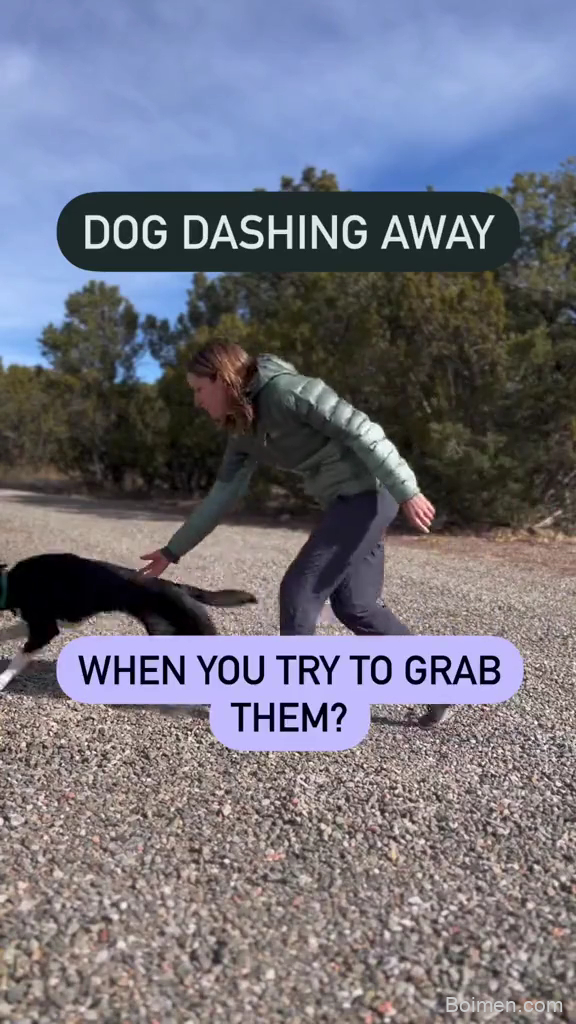
You don't need a louder voice or a stricter leash—you need a clearer picture of what your dog actually needs. These expert-backed tips will help you build focus, trust, and lasting habits, one quiet repetition at a time.
Advertisements1
- Set your dog up to win: if they fail twice, make the environment easier.
- Mark the behavior within 1 second; timing is more important than treats.
- Reward the behavior you want—ignore the behavior you don't (when safe).
- Short, daily sessions beat long, occasional ones; 3–5 minutes is plenty.
- A release cue like 'free' gives clarity and builds impulse control.
- Your calm presence is the foundation; breathe before you train.
Set the Stage: Environment Beats Willpower
Training fails most often because the environment is asking too much. Before you ask your dog to sit while the neighbor's cat strolls by, practice in a low-distraction space—your living room at 7 a.m., when the light is soft and the street is still. I once worked with a rescue named Pico who could nail a down-stay in the kitchen but fell apart on the sidewalk. We didn't push harder; we dimmed the lights, closed the curtains, and rebuilt the behavior in a space where he could succeed 9 times out of 10. Only then did we add a single open window.
The rule is simple: if your dog fails more than twice in a row, the environment is too hard. Move to a quieter corner, increase distance from the trigger, or lower your criteria. Success is not about enduring chaos—it's about stacking small wins until confidence becomes the default. Think of it as tuning a radio: you don't crank the volume on static; you find the frequency where the signal is clear.
Timing Is Everything: The 1-Second Window
Dogs associate rewards with what happened in the last 1 to 2 seconds. If you say "sit," your dog sits, and you fumble for a treat for three seconds, you're likely rewarding the stand-up that followed. This is why clickers or a sharp marker word like "yes" matter—they bridge the gap. I keep a small tin of pea-sized treats in my pocket and mark the instant my dog's rear touches the floor. The click doesn't train the dog; the treat does. The click just tells the dog exactly which behavior earned it.
Practice without your dog first. Say "yes" and drop a treat on the floor. Repeat 10 times. You're teaching yourself to mark with precision. Then add the behavior. In my experience, 80% of training problems are timing problems, not dog problems.
Reward What You Want, Not What You Don't
It's easy to fall into the trap of correcting unwanted behavior while ignoring the good stuff. But dogs repeat what gets reinforced. If your dog jumps on you when you come home, and you push them away, you've just given them attention—a reward. Instead, turn your back, wait for four paws on the floor, then calmly greet. The first few times, your dog will be confused. That's fine. Consistency wins.
I once watched a client reward her dog for barking by saying "quiet!" in a loud voice. To the dog, that was joining the bark. We switched to marking the silence—just two seconds of quiet—and within a week, the barking bouts shortened from minutes to seconds. The lesson: you get more of what you notice. Notice the calm.
The Power of One: Short Sessions, High Frequency
A 5-minute session done three times a day beats a 30-minute marathon once a week. Dogs learn through repetition and rest; their brains consolidate new skills during sleep. I tell my students to treat training like brushing teeth—brief, daily, non-negotiable. Set a timer for 3 minutes. End while your dog still wants more. That's how you build a dog who lights up when you reach for the treat pouch.
In one study, dogs trained in 5-minute sessions with 10 repetitions each learned a novel task in half the time compared to dogs trained in 20-minute blocks. The reason? Focus fatigue. A tired dog makes mistakes, and mistakes get rehearsed. Keep it short, keep it sweet, and always finish with a win.
The Quiet Power of a Release Cue
Many dogs struggle with stay because they've never been taught how to end it. A release cue—like "free" or "break"—tells your dog when they can move. Without it, they're guessing, and guessing creates anxiety. I teach release from day one: ask for a sit, mark and reward, then say "free" and toss a treat. The dog learns that staying put is safe and that release is a reward in itself.
This simple habit prevents the common problem of a dog who pops up the moment you shift your weight. It also builds impulse control. Start with 1 second of stay, release, reward. Then 3 seconds. Then 5. If your dog breaks early, don't scold—just reset with an easier rep. The release cue is a gift: it gives your dog clarity and gives you a reliable off-switch.
Leash Skills: The Art of Loose-Leash Walking
A tight leash creates opposition reflex—the more you pull, the more your dog pulls. The fix isn't a stiffer collar; it's rewarding the slack. Start in your driveway. Stand still. The moment the leash goes slack, mark and treat at your left leg. Take one step. If the leash stays loose, mark and treat. If it tightens, stop. Wait for your dog to look back at you, then reward. You're teaching one simple rule: pulling stops the walk; slack earns forward motion.
I've seen 90-pound labs learn this in 15 minutes when the handler was patient. The secret is to never let your dog practice pulling. If you have to, turn around and walk the other way. It feels tedious at first, but it's temporary. Within a week of daily 5-minute sessions, most dogs are walking with a gentle J-shaped leash. The walk becomes a conversation, not a tug-of-war.
The Human End of the Leash: Your Energy Matters
Dogs are masters of reading posture, breath, and pace. If you're tense, your dog feels it. Before you clip the leash, take three slow breaths. Drop your shoulders. Soften your gaze. I've seen dogs transform when their handler simply exhaled. It's not magic; it's mammalian. Your calm nervous system is a cue for safety.
One of my favorite moments was with a nervous border collie named Juniper. Her owner was anxious about training, and Juniper would shut down. We spent the first session doing nothing but sitting on the floor, breathing, and tossing treats. By the end, Juniper was offering eye contact and a tentative paw. No commands, just presence. That's the foundation. Everything else is built on it.
How to Do It, Step by Step
- 1Start in a low-distraction space
Begin training in a quiet room with soft light and no traffic. This sets your dog up to succeed, which builds confidence and accelerates learning. - 2Mark the exact moment
Use a clicker or a marker word like 'yes' the instant your dog performs the behavior. Reward within 1–2 seconds. This precision is the difference between teaching and confusing. - 3Reward what you want
Ignore unwanted behavior (as long as it's safe) and generously reward the behavior you want to see again. Dogs repeat what gets reinforced. - 4Keep sessions to 3–5 minutes
Short, frequent sessions prevent fatigue and keep your dog eager. Aim for three sessions per day, and always end on a successful rep. - 5Teach a release cue
Use a word like 'free' to signal the end of a stay or exercise. This clarifies expectations and reduces anxiety, making stay reliable. - 6Reward slack in the leash
When walking, mark and treat whenever the leash is loose. Stop moving when it tightens. This teaches your dog that pulling gets nowhere and slack earns progress. - 7Breathe before you train
Take three slow breaths and relax your shoulders before you begin. Your calm energy is a cue that helps your dog focus and feel safe.
Training isn't about making your dog obey; it's about making it easy for them to choose the behavior you want.
Frequently Asked Questions
How long does it take to train a dog?
Basic cues like sit and stay can be learned in a few days, but reliable behavior in distracting environments takes weeks to months. Consistency and short daily sessions are key.
What if my dog ignores me when we're outside?
Your dog is likely over threshold—too distracted to learn. Increase distance from triggers, use higher-value treats, and practice in easier locations before adding challenges.
Should I use a clicker or a marker word?
Both work; the clicker is more precise, but a word like 'yes' is always with you. Choose one and use it consistently to mark the exact moment of success.
How do I stop my dog from pulling on the leash?
Reward slack and stop moving when the leash tightens. Start in a low-distraction area and practice short sessions. Never let your dog practice pulling—turn around if needed.
Is it ever too late to train an older dog?
No, older dogs can learn new behaviors. They may have established habits, but with patience, consistency, and positive reinforcement, they can absolutely succeed.

Ingrid explores Scandinavian minimalist design and slow living. She writes about creating calm, functional spaces with fewer, better things.


Leave a Comment