
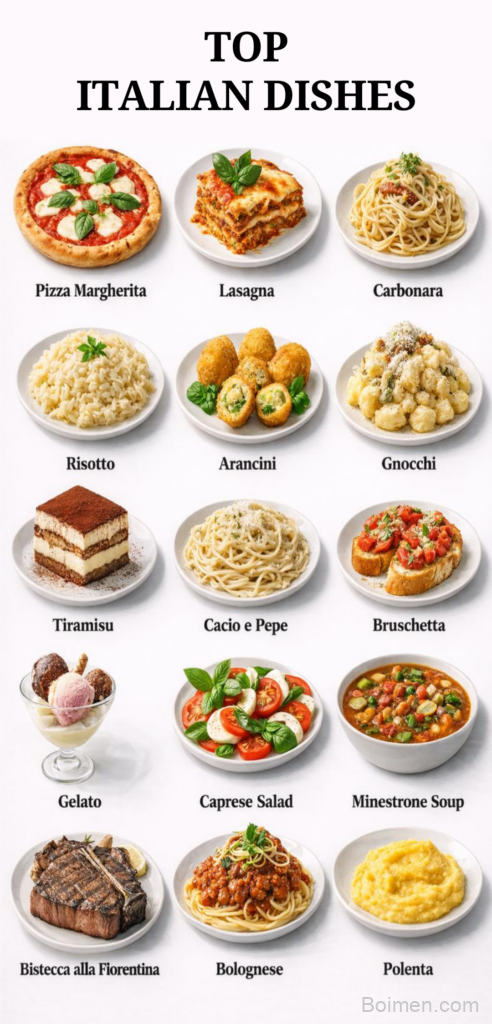
Most home cooks who try carbonara end up with scrambled eggs clinging to pasta. The problem is not the recipe; it is heat control and the order in which ingredients meet. Carbonara is an emulsion, and emulsions break when they are treated like a cream sauce.
Advertisements1
This version treats the egg and cheese mixture as a delicate sauce that is finished off the heat. You render guanciale slowly, cook the pasta until just shy of al dente, and use starchy pasta water to stabilize the emulsion. The result is glossy, creamy, and deeply savory without a drop of cream.
A quick win before you start: grate your pecorino as finely as possible and whisk it with the eggs before the pasta hits the water. Fine cheese melts evenly and gives you a smooth sauce instead of stringy clumps.
Why You'll Love This Recipe
About the Ingredients
1 lb (450g) spaghetti or rigatoni
Dried bronze-cut pasta has a rougher surface that grips the sauce. If you only have regular spaghetti, add an extra splash of pasta water to help the sauce cling.
6 oz (170g) guanciale, cut into 1/4-inch strips
Guanciale is cured pork jowl and is the traditional choice; pancetta is the closest substitute, though it is leaner and less funky. Avoid bacon, which is smoked and will dominate the dish.
4 large egg yolks plus 1 whole egg
Use the freshest eggs you can find since they are barely cooked. The extra yolk adds richness and helps the sauce emulsify without scrambling.
1 1/2 cups (150g) finely grated Pecorino Romano
Pecorino Romano is sharp and salty, which is exactly what this dish needs. Parmesan is a milder substitute, but then add an extra pinch of salt.
1 teaspoon freshly cracked black pepper
Toast the peppercorns in the dry pan for 30 seconds before cracking for a warmer, less harsh bite. Pre-ground pepper works but tastes flatter.
1 teaspoon fine sea salt, for the pasta water
Salt the water generously, but remember the guanciale and pecorino are already salty. Taste the finished sauce before adding more.
Tips & Tricks
Temper the eggs off the heat
Whisk the egg and cheese mixture with a ladle of hot pasta water before it touches the pasta. This raises its temperature gradually so it thickens instead of scrambling.
Cook the guanciale low and slow
Medium-low heat renders the fat without burning the meat. If the pan smokes, pull it off the heat for 30 seconds before continuing.
Serve immediately in warm bowls
Carbonara thickens fast as it cools. Warm bowls keep the sauce fluid long enough to reach the table.
- Reserve more pasta water than you think you need: Two cups is a safe amount. The starch is your emulsifier, and you can always reduce the sauce by stirring over low heat.
Pro Tips
Step-by-Step Instructions
1. Boil the pasta water
Bring 5 quarts of water to a rolling boil over high heat (212F/100C) and add 1 teaspoon of salt. A large volume of water keeps the pasta moving so it does not stick.
2. Render the guanciale
Place guanciale in a cold 12-inch skillet over medium-low heat (300F/150C) and cook for 8 to 10 minutes until the strips are golden brown and the fat has rendered. The cue is crisp edges and a shimmering pool of fat, not dark brown meat.
3. Whisk the egg mixture
In a large bowl, whisk 4 yolks, 1 whole egg, 1 1/2 cups pecorino, and the black pepper until it forms a thick paste. Set it near the stove so you can work quickly later.
4. Cook the pasta
Drop the spaghetti into the boiling water and cook for 2 minutes less than the package directions, about 8 minutes for al dente. The pasta should still have a firm bite at the center because it will finish cooking in the sauce.
5. Reserve the pasta water
Before draining, scoop out 2 cups of starchy pasta water and set it aside. Drain the pasta but do not rinse it; the surface starch is what thickens the sauce.
6. Temper the eggs
Off the heat, whisk 1/2 cup of hot pasta water into the egg mixture in a slow stream. The mixture should thin slightly and look glossy, with no visible cooked egg specks.
7. Toss everything together
Add the drained pasta to the bowl with the egg mixture, then scrape in the guanciale and its rendered fat. Toss vigorously for 30 to 60 seconds until the sauce turns creamy and coats every strand.
8. Adjust and serve
If the sauce looks tight, stir in pasta water 1 tablespoon at a time until it flows. Taste for salt, divide among warm bowls, and top with extra pecorino and pepper.
Delicious Variations
Rigatoni carbonara
Swap spaghetti for rigatoni so the sauce collects inside the tubes; add 2 extra tablespoons of pasta water because the ridges absorb more.
Zucchini carbonara
Replace half the guanciale with 1 cup of diced zucchini browned in the same pan for a lighter summer version that still tastes rich.
Smoked pancetta and chili
Use pancetta in place of guanciale and add 1/2 teaspoon of red chili flakes with the pepper for a spicier, smokier plate.
How to Store Top Italian Dishes: Classic Spaghetti alla Carbonara
Refrigerator
Store leftovers in an airtight container for up to 2 days. The sauce will firm up and look dry, which is normal for an egg-based sauce.
Freezer
Freezing is not recommended because the egg emulsion separates and the pasta turns mushy on thawing.
Reheating
Reheat gently in a skillet over low heat (200F/95C) with 1 to 2 tablespoons of water, stirring constantly for 3 to 4 minutes until the sauce loosens. Never microwave on high, which will scramble the eggs.
Frequently Asked Questions
Q: Can I make carbonara without guanciale?
Yes, pancetta is the best substitute because it is also cured but unsmoked. Bacon works in a pinch, though its smoky flavor will change the character of the dish noticeably.
Q: Why did my carbonara turn into scrambled eggs?
The pan or pasta was too hot when the eggs went in. Always mix the eggs in a separate bowl off the heat and temper them with a splash of pasta water first.
Q: Do you put cream in authentic carbonara?
No, traditional Roman carbonara contains no cream. The creaminess comes from the emulsion of egg yolks, grated pecorino, and starchy pasta water.
Q: What pasta shape is best for carbonara?
Spaghetti is the classic choice, but rigatoni and mezze maniche are also traditional because their ridges and hollow centers hold the sauce well. Any bronze-cut dried pasta works.
Q: Can I make carbonara ahead of time?
It is best served immediately, but you can prep the components up to 4 hours ahead. Grate the cheese, cut the guanciale, and whisk the eggs, then cook everything just before serving.
Cook this once with your full attention, then cook it again from memory. Carbonara rewards repetition more than any other Italian dish, and once the emulsion clicks, you will never reach for cream again. Stay focused, stay light.

Top Italian Dishes: Classic Spaghetti alla Carbonara
Spaghetti alla Carbonara is the top Italian dish to master at home: creamy, silky, and ready in 30 minutes with just eggs, pecorino, and guanciale.
🧂 Ingredients
- 1 lb (450g) spaghetti or rigatoni
- 6 oz (170g) guanciale, cut into 1/4-inch strips
- 4 large egg yolks plus 1 whole egg
- 1 1/2 cups (150g) finely grated Pecorino Romano
- 1 teaspoon freshly cracked black pepper
- 1 teaspoon fine sea salt, for the pasta water
📋 Instructions
- 1Boil the pasta water — Bring 5 quarts of water to a rolling boil over high heat (212F/100C) and add 1 teaspoon of salt. A large volume of water keeps the pasta moving so it does not stick.
- 2Render the guanciale — Place guanciale in a cold 12-inch skillet over medium-low heat (300F/150C) and cook for 8 to 10 minutes until the strips are golden brown and the fat has rendered. The cue is crisp edges and a shimmering pool of fat, not dark brown meat.
- 3Whisk the egg mixture — In a large bowl, whisk 4 yolks, 1 whole egg, 1 1/2 cups pecorino, and the black pepper until it forms a thick paste. Set it near the stove so you can work quickly later.
- 4Cook the pasta — Drop the spaghetti into the boiling water and cook for 2 minutes less than the package directions, about 8 minutes for al dente. The pasta should still have a firm bite at the center because it will finish cooking in the sauce.
- 5Reserve the pasta water — Before draining, scoop out 2 cups of starchy pasta water and set it aside. Drain the pasta but do not rinse it; the surface starch is what thickens the sauce.
- 6Temper the eggs — Off the heat, whisk 1/2 cup of hot pasta water into the egg mixture in a slow stream. The mixture should thin slightly and look glossy, with no visible cooked egg specks.
- 7Toss everything together — Add the drained pasta to the bowl with the egg mixture, then scrape in the guanciale and its rendered fat. Toss vigorously for 30 to 60 seconds until the sauce turns creamy and coats every strand.
- 8Adjust and serve — If the sauce looks tight, stir in pasta water 1 tablespoon at a time until it flows. Taste for salt, divide among warm bowls, and top with extra pecorino and pepper.

Kenji covers tech productivity and digital minimalism for remote workers. He writes about streamlining workflows and cutting digital clutter with a focus on mental clarity, not just efficiency.


Leave a Comment