
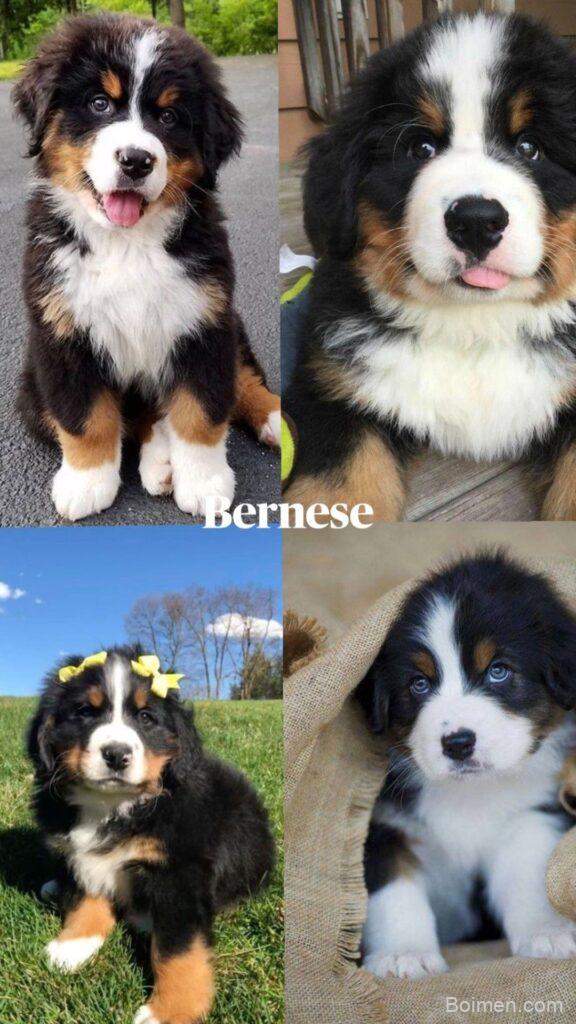
Thinking of adding a Bernese Mountain Dog to your family? These gentle giants are as lovable as they are large—and they come with some specific quirks. I've spent years living with and training Berners, and I'm here to share the tips that actually work.
Advertisements1
- Bernese Mountain Dogs are working dogs; they need a job to prevent boredom.
- Feed small, frequent meals to reduce bloat risk; avoid exercise around mealtime.
- Groom regularly—their double coat sheds heavily and needs weekly brushing.
- Socialize and train with positive methods; they're sensitive and eager to please.
- Health issues like cancer and dysplasia are common; pet insurance and regular vet care are essential.
- They thrive on companionship—don't leave them alone for long periods.
Understanding the Bernese Mountain Dog Temperament
Bernese Mountain Dogs are famously affectionate, calm, and good-natured. But don't let that serene face fool you—they were bred to pull carts and herd cattle, so they need a job to do. Without mental and physical stimulation, they can become bored and destructive. I learned this the hard way when my Berner, Max, decided to redecorate my living room with couch cushions. The fix? Give them purpose. Puzzle toys, carting, or even carrying a backpack on walks can satisfy that working instinct. Also, they're sensitive souls. Harsh corrections backfire; positive reinforcement works wonders. So, next time you're frustrated, remember: you're not just training a dog, you're partnering with a thinking, feeling being.
Nutrition: Fueling Your Gentle Giant
Bernese Mountain Dogs are prone to bloat (gastric torsion), a life-threatening condition. To reduce risk, feed smaller meals twice or three times a day instead of one large meal. Avoid vigorous exercise right after eating. I also recommend using a slow-feeder bowl to prevent gulping air. As for diet, choose a high-quality food formulated for large breeds. Puppies need controlled growth—too rapid weight gain stresses their joints. Look for a food with balanced calcium and phosphorus. I personally add a joint supplement with glucosamine and chondroitin, as Berners are notorious for hip and elbow dysplasia. And keep treats healthy: carrot sticks or apple slices work great. Remember, obesity exacerbates joint issues, so watch those portions. A lean Berner is a healthier Berner.
Exercise: More Than Just a Walk in the Park
A tired Berner is a good Berner, but you must balance exercise with joint safety. Puppies shouldn't do repetitive high-impact activities like jogging or agility until their growth plates close (around 12-18 months). Instead, opt for short, frequent play sessions. Adult Berners enjoy moderate daily exercise—two 30-minute walks plus some playtime. But watch the heat! Their thick double coat makes them susceptible to heatstroke. In summer, walk early morning or late evening, and always bring water. If your Berner is panting heavily and lagging, it's time to cool down. I also love hiking with my Berners—they're natural trail dogs. Just build up distance gradually. And remember, mental exercise counts too: teach new tricks, hide treats for nose work, or try carting. A fulfilled Berner is less likely to dig up your garden.
Grooming: Taming the Fluff
That glorious coat comes with a price: shedding. Berners shed year-round and blow their undercoat twice a year. You'll need a good undercoat rake, a slicker brush, and a metal comb. Brush at least twice a week, daily during shedding season. I keep a lint roller in every room—it's a lifestyle. Baths every 6-8 weeks or as needed; use a dog-specific shampoo. Don't forget nails: trim every 3-4 weeks. Ears: check weekly and clean with vet-approved solution. Dental care: brush those teeth! Berners can get periodontal disease, which affects overall health. Start early so they accept grooming as part of the routine. Make it a positive experience with treats and praise. Your future self (and your vacuum) will thank you.
Health: Navigating Common Bernese Issues
Bernese Mountain Dogs have a shorter lifespan than many breeds—7 to 10 years—largely due to cancer. They're also prone to hip/elbow dysplasia, bloat, and heart conditions. Responsible breeders screen for these, so always ask for health clearances. Pet insurance is a smart investment; I've seen bills run into thousands. Regular vet checkups are crucial. Know the signs of bloat: restlessness, drooling, retching without vomiting. It's an emergency—go to the vet immediately. Also, monitor for lumps and bumps; early detection saves lives. Keep a health journal with weight, appetite, and behavior changes. And don't skip annual blood work. It might seem excessive, but catching issues early is priceless. Your Berner relies on you to be their advocate.
Training: Building a Partnership
Berners are intelligent but can be stubborn. They respond best to positive, reward-based training. Short, fun sessions (5-10 minutes) work better than long drills. Use high-value treats like chicken or cheese. Socialization is part of training—expose them to new experiences gradually. Crate training is invaluable for housebreaking and safety. And leash manners matter; a 100-pound dog pulling you down the street is no joke. I recommend a front-clip harness or gentle leader. Teach basic cues: sit, stay, come, leave it. Then advance to fun tricks. Berners love having a job, so consider carting or draft tests. It's a great bonding activity. Remember, consistency is key. Everyone in the household should use the same commands. And never use punishment—it breaks their trust.
Living with a Berner: Daily Life Tips
Berners are indoor dogs; they want to be with their family. A backyard alone isn't enough—they'll get lonely. They're great with kids but may accidentally knock over toddlers, so supervise. Their size means you need a sturdy vehicle and a big bed. They drool, especially after drinking, so keep a towel handy. They also have a high pain tolerance, so you might miss subtle signs of injury. Watch for limping or reluctance to move. And because they're so food-motivated, secure trash cans and countertops. Finally, cherish every moment. Their time with us is short, but the love they give is immense. Make memories, take photos, and enjoy the journey.
How to Do It, Step by Step
- 1Choose a reputable breeder
Look for health clearances (hips, elbows, heart, eyes) and meet the parents. Avoid puppy mills. A good breeder will ask you questions too. - 2Puppy-proof your home
Secure trash, hide electrical cords, and remove toxic plants. Berner puppies chew everything while teething. - 3Start socialization early
Enroll in puppy classes after vaccinations. Introduce new sights, sounds, and people daily to build confidence. - 4Establish a feeding routine
Feed 2-3 small meals daily at consistent times. Use a slow feeder to prevent bloat. Avoid exercise 1 hour before and after meals. - 5Begin grooming desensitization
Touch paws, ears, and mouth daily. Brush briefly, reward with treats. This makes future vet and groomer visits easier. - 6Plan daily exercise
Two walks plus playtime. Adjust for age and weather. Avoid hot pavement—it burns paws. - 7Schedule vet checkups
Annual exams, vaccinations, and parasite prevention. Discuss joint supplements and cancer screening as they age. - 8Train with positive reinforcement
Use treats, praise, and toys. Keep sessions short and fun. Never punish—it damages your bond.
A Bernese Mountain Dog isn't just a pet; they're a partner who will give you their all—if you give them your time, patience, and a good vacuum.
Frequently Asked Questions
Are Bernese Mountain Dogs good with children?
Yes, they are generally gentle and affectionate with kids. However, their large size means they can accidentally knock over small children, so supervision is always recommended.
How much exercise does a Bernese Mountain Dog need?
They need moderate daily exercise, like two 30-minute walks plus playtime. Avoid strenuous activity during hot weather and while puppies are growing.
What is the lifespan of a Bernese Mountain Dog?
The average lifespan is 7 to 10 years, with cancer being the leading cause of death. Regular vet care and a healthy lifestyle can help maximize their time with you.
Do Bernese Mountain Dogs shed a lot?
Yes, they shed year-round and heavily blow their coat twice a year. Regular brushing (2-3 times a week, daily during shedding season) is necessary to manage the fur.
Are Bernese Mountain Dogs easy to train?
They are intelligent but can be stubborn. Positive reinforcement works best; they respond well to food rewards and praise. Consistency is key.

Kwame writes about technology and digital privacy for everyday users. He breaks down complex topics like data tracking and encryption into simple, relatable terms.


Leave a Comment