
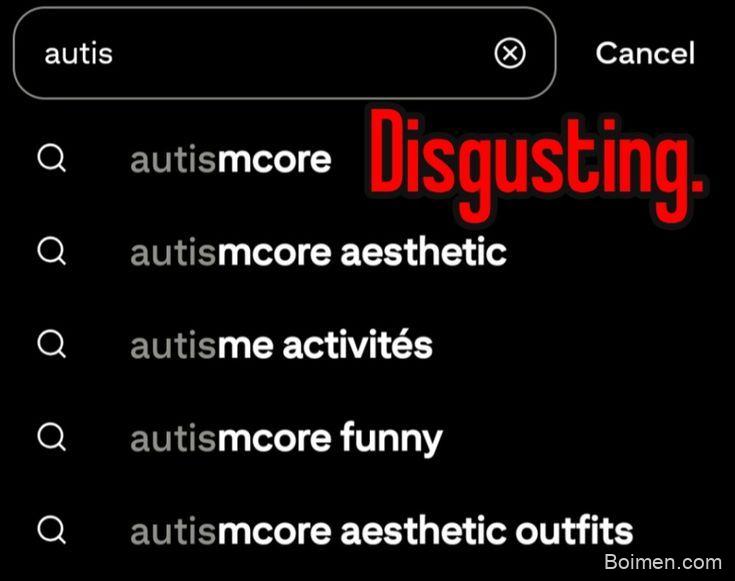
Last week my cousin sent me a TikTok where someone had turned “autistic vibes” into a pastel mood board. Cute colors. Calming music. Not one word about meltdowns, sensory overload, or the fact that my son Leo needed noise-canceling headphones just to walk through the grocery store. I closed the app and felt that familiar knot in my chest.
Advertisements1
Autism is not a filter. It is not a soft aesthetic you can borrow for a weekend. It is a real, everyday experience — messy, beautiful, exhausting, and human. So I pulled together 15 resources that show what autism actually looks like, from the people living it. No mood boards. Just truth.
Table of Contents(Click to Toggle)
- Why Real Autism Resources Matter More Than Ever
- 15 Autism Truths That Prove It Is Not an Aesthetic
- 1. Autistic Self Advocacy Network
- 2. ASAN’s “Autism Is Not an Aesthetic” Statement
- 3. AANE (Asperger/Autism Network)
- 4. Autistic Women & Nonbinary Network
- 5. The Autistic Advocate
- 6. CommunicationFIRST
- 7. Thinking Person’s Guide to Autism
- 8. Autistic Science Person
- 9. NeuroClastic
- 10. National Autistic Society
- 11. Reframing Autism
- 12. Autistic Not Weird
- 13. The Mighty’s Autism Community
- 14. Yellow Ladybugs
- 15. Autistic Doctors International
- Bonus: Autistic Burnout Project
- Bonus: The Autistic Life
- Bonus: Learn from Autistics
- Bonus: Autistic Hoya
- The Internet’s Best-Kept Autism Truths (So Far)
Why Real Autism Resources Matter More Than Ever
I get it. Aesthetic content is soothing. It is easy to scroll past pastel infographics and feel like you understand something. But when Leo was diagnosed at four, I did not need pretty. I needed practical. I needed to know why he covered his ears at birthday parties, why eye contact felt like a chore, why “just be patient” was not advice.
The internet is full of autism content. Most of it is written by people who have never lived it. The resources below are different. They are run by autistic people, backed by real experience, and they refuse to soften autism into a trend. They talk about meltdowns, masking, burnout, and joy. They show the full picture.
If you have ever felt like the online version of autism does not match your real life, this list is for you. These are the places I keep coming back to when I need honesty instead of aesthetics.
15 Autism Truths That Prove It Is Not an Aesthetic
1. Autistic Self Advocacy Network : The gold standard for autistic-led policy and community
What it is: A nonprofit run by and for autistic people, focused on advocacy, policy, and public education.
Category: Advocacy organization
Why it stands out:
- Their motto is “Nothing About Us Without Us” — every resource is created by autistic people.
- They publish plain-language toolkits on topics like self-advocacy and healthcare access.
- Their blog regularly pushes back on harmful stereotypes, including the idea that autism is a trend.
Best for: Anyone who wants to learn from autistic voices first, not from outsiders looking in.
2. ASAN’s “Autism Is Not an Aesthetic” Statement : A direct response to the trend you clicked on
What it is: A short, powerful article from ASAN that calls out the aestheticization of autism.
Category: Essay / statement
Why it stands out:
- It explains why turning autism into a vibe erases the real struggles autistic people face daily.
- It is written in plain language, easy to share with friends who do not get it.
- It connects the trend to real-world harm, like lack of access to services and discrimination.
Best for: Sending to that one person who thinks autism is just a quirky personality trait.
3. AANE (Asperger/Autism Network) : Support for adults and families navigating real life
What it is: A community organization offering support groups, workshops, and resources for autistic adults and their families.
Category: Support network
Why it stands out:
- They run online support groups specifically for autistic adults, parents, and partners.
- Their resource library covers practical topics like employment, relationships, and sensory needs.
- They emphasize a strengths-based approach without ignoring challenges.
Best for: Families like mine who need real-world guidance, not just inspiration.
4. Autistic Women & Nonbinary Network : Amplifying voices the mainstream ignores
What it is: A nonprofit dedicated to supporting autistic women, girls, and nonbinary people.
Category: Advocacy and community
Why it stands out:
- They highlight how autism often looks different in women and nonbinary folks, leading to late diagnosis.
- Their blog features personal stories that are raw and real, not polished for aesthetics.
- They provide resources on intersectionality, trauma, and neurodivergent parenting.
Best for: Anyone who was told they “don’t look autistic” and wants to feel seen.
5. The Autistic Advocate : A personal blog that tells it like it is
What it is: A blog by Kieran Rose, an autistic advocate and trainer, covering autism, masking, and trauma.
Category: Personal blog
Why it stands out:
- Kieran writes honestly about masking and the cost of pretending to be neurotypical.
- His articles are long-form and deeply reflective, not quick tips.
- He challenges the idea that autism is a superpower or a tragedy — it is just a different way of being.
Best for: Deep dives into the emotional reality of being autistic in a neurotypical world.
6. CommunicationFIRST : Protecting the right to communicate, no matter how
What it is: An advocacy group focused on the rights of people who cannot rely on speech to communicate.
Category: Disability rights advocacy
Why it stands out:
- They fight against practices that silence non-speaking autistic people.
- Their resources explain alternative communication methods like AAC devices.
- They center the voices of non-speaking people, who are often left out of autism conversations.
Best for: Parents and educators who want to support communication access for all.
7. Thinking Person’s Guide to Autism : Evidence-based, no-nonsense information
What it is: A curated website that shares articles, research, and personal essays about autism.
Category: Information hub
Why it stands out:
- They fact-check common myths and push back on pseudoscience.
- The site is run by autistic people and parents who value accuracy over trends.
- They cover topics like autism and gender, employment, and healthcare disparities.
Best for: People who want reliable information without the fluff or fear-mongering.
8. Autistic Science Person : Breaking down research in plain language
What it is: A blog by an autistic scientist that explains autism research and debunks myths.
Category: Science blog
Why it stands out:
- She translates complex studies into accessible posts, often calling out bad science.
- Her writing is sharp, witty, and unapologetically autistic.
- She covers topics like autism and empathy, sensory processing, and diagnosis disparities.
Best for: Anyone tired of misleading headlines and wanting the real science.
9. NeuroClastic : A platform by and for neurodivergent people
What it is: An online magazine featuring articles, art, and poetry by autistic and neurodivergent creators.
Category: Community magazine
Why it stands out:
- They prioritize submissions from autistic people, especially those from marginalized groups.
- Their content ranges from personal essays to research analysis, all with a neurodiversity lens.
- They actively reject the idea that autism needs to be cured or aestheticized.
Best for: Finding community and diverse perspectives in one place.
10. National Autistic Society : UK-based charity with global reach
What it is: The leading UK charity for autistic people and their families, offering support and campaigning.
Category: Charity and support
Why it stands out:
- They provide practical guides on topics like diagnosis, education, and employment.
- Their campaigns challenge public misconceptions and push for policy change.
- They run an online community where autistic people and families can connect.
Best for: Families in the UK and anyone who wants a well-established, trustworthy resource.
11. Reframing Autism : Shifting the narrative from deficit to difference
What it is: An Australian organization created by autistic people, offering resources and training.
Category: Advocacy and education
Why it stands out:
- They focus on reframing autism away from deficit-based language.
- Their resources are designed for families, educators, and allies.
- They host webinars and events that center autistic voices.
Best for: People who want to unlearn harmful narratives and embrace neurodiversity.
12. Autistic Not Weird : A friendly, approachable take on autism
What it is: A blog and community by Chris Bonnello, an autistic author and former teacher.
Category: Blog and community
Why it stands out:
- Chris writes with humor and warmth, making autism topics accessible to everyone.
- He shares surveys and data from the autistic community, giving a voice to many.
- His posts cover school, work, and relationships with practical advice.
Best for: Teens and adults looking for a welcoming, non-judgmental space.
13. The Mighty’s Autism Community : Real stories from real people
What it is: A section of The Mighty dedicated to first-person stories about autism and disability.
Category: Storytelling platform
Why it stands out:
- It amplifies the voices of autistic people and their families, often sharing raw, unfiltered experiences.
- You can find stories on topics like late diagnosis, parenting, and mental health.
- It is a place to feel less alone, especially on hard days.
Best for: Anyone who needs to hear “me too” from someone who gets it.
14. Yellow Ladybugs : Supporting autistic girls and gender-diverse young people
What it is: An Australian nonprofit focused on autistic girls and gender-diverse youth.
Category: Advocacy and support
Why it stands out:
- They address the unique challenges autistic girls face, like masking and late diagnosis.
- They run events and programs that create safe spaces for connection.
- Their resources help parents and educators better understand autistic girls.
Best for: Families of autistic girls who feel overlooked by mainstream resources.
15. Autistic Doctors International : Autistic healthcare professionals changing the system
What it is: A global network of autistic doctors advocating for better healthcare for autistic people.
Category: Professional network
Why it stands out:
- They provide insight into the healthcare disparities autistic people face.
- Their members work to improve medical education and practice.
- They prove that autistic people can be experts in their fields, not just subjects of study.
Best for: Healthcare providers and anyone who wants to see autism represented in medicine.
Bonus: Autistic Burnout Project : Understanding the real cost of masking
What it is: A project dedicated to researching and raising awareness about autistic burnout.
Category: Research and awareness
Why it stands out:
- It explains why burnout happens and how it differs from regular stress.
- It offers validation for autistic people who have been told they are “just tired.”
Best for: Anyone who has experienced autistic burnout or wants to understand it.
Bonus: The Autistic Life : Practical tips for everyday living
What it is: A blog offering advice on navigating daily life as an autistic person.
Category: Lifestyle blog
Why it stands out:
- It covers topics like sensory-friendly cooking, travel, and self-care.
- The advice is realistic and written from lived experience.
Best for: Autistic adults looking for practical, non-patronizing tips.
Bonus: Learn from Autistics : A resource for parents and professionals
What it is: A website that connects parents and professionals with autistic perspectives.
Category: Educational resource
Why it stands out:
- It features Q&A-style interviews with autistic adults.
- It helps bridge the gap between parents and the autistic community.
Best for: Parents who want to learn from autistic people, not just about them.
Bonus: Autistic Hoya : Intersectional advocacy and writing
What it is: The blog of Lydia X. Z. Brown, an autistic advocate and attorney.
Category: Personal blog
Why it stands out:
- It explores the intersections of autism, race, class, and disability justice.
- Lydia’s writing is deeply informed and challenges mainstream narratives.
Best for: Readers who want to understand autism through a social justice lens.
The Internet’s Best-Kept Autism Truths (So Far)
None of these resources will give you a pastel mood board. That is the point. They give you real stories, real advocacy, and real tools for navigating a world that was not built for autistic people. They remind us that autism is not a trend you can try on. It is a life, a community, and a fight for dignity.
My try-this-week tip: pick one of these sites and read one article. Not to fix anything. Just to listen. Then share it with someone who still thinks autism is an aesthetic. Small steps like that change minds.
Which one of these resources surprised you the most? I would love to hear what you find.
Here’s to small steps, big impact.

Maya writes about sustainable living and zero-waste swaps for everyday families. She focuses on small, budget-friendly changes that actually stick, tested in her own chaotic kitchen.


Leave a Comment