
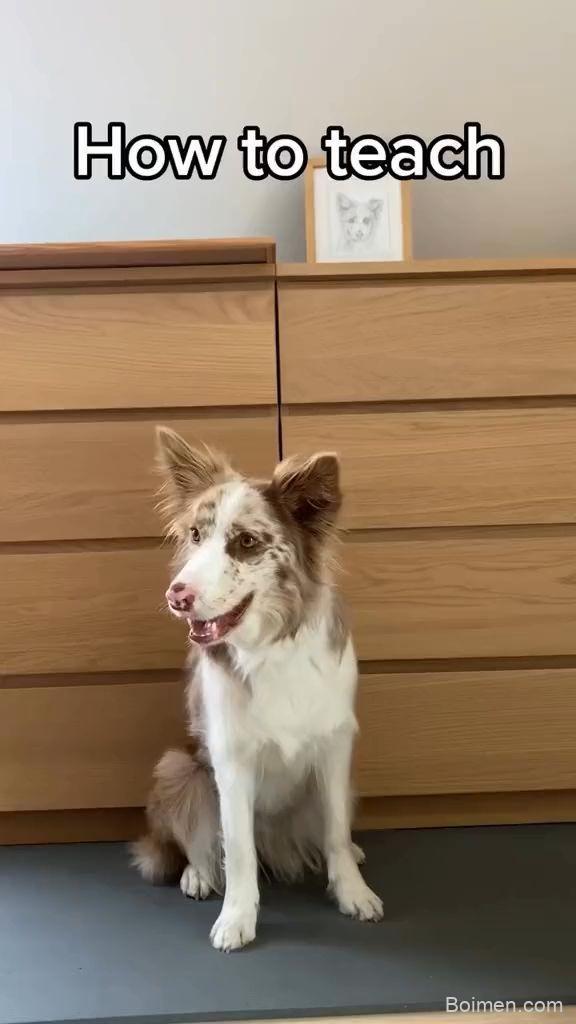
Bringing home a new pup is like adopting a furry toddler who never grows up – thrilling, messy, and full of surprises. But with the right training, you'll turn chaos into companionship. Here are the top 10 dog training tips that actually work, from day one to forever.
Advertisements1
- Start with name recognition and eye contact – it's the foundation for all training.
- Use positive reinforcement – reward what you want, ignore or redirect what you don't.
- Master 'sit' first – it's the most versatile command for everyday control.
- Crate train as a den, never punishment, to aid housebreaking and give your dog a safe space.
- Teach loose-leash walking by stopping when your dog pulls – consistency is key.
- Socialize early and positively, especially during the first 14 weeks.
Start with the Basics: Name Recognition and Eye Contact
Before you teach 'sit' or 'stay', your dog needs to learn that their name means 'look at me, good things happen'. Say their name in a happy tone, and the moment they look at you, mark it with a 'yes!' or a click, then give a small treat. Repeat this in short bursts (2-3 minutes) several times a day. This builds a foundation for all future training – if your dog won't look at you, you can't communicate.
Think of it like getting a friend's attention before you start a conversation. Without that, you're just talking to the wall. Once your dog reliably looks at you when you say their name (about 80% of the time in a distraction-free room), move to a slightly busier spot. Always end on a success, so they stay eager.
Use Positive Reinforcement, Not Punishment
Positive reinforcement means rewarding the behaviors you want to see, rather than punishing the ones you don't. For example, if your dog sits when you ask, give a treat and praise. If they jump on guests, ignore the jump and ask for a sit instead, then reward the sit. Punishment (like yelling or leash jerks) can create fear and anxiety, which actually slows learning and damages your bond.
Imagine learning a new language – if every mistake got you shouted at, you'd freeze up. Dogs are the same. They learn best when they feel safe and motivated. So, keep treats handy and catch them doing good. For instance, if your dog is quietly lying down, toss a treat and say 'good settle'. You'll see more of that calm behavior.
Master the 'Sit' Command – It's the Swiss Army Knife of Tricks
'Sit' is the first command to teach because it's easy, useful, and calms your dog. Hold a treat near their nose, then slowly lift it up and back over their head. As their head goes up, their bottom goes down – the moment their butt hits the floor, say 'yes' and give the treat. Repeat 5-10 times in a row, then add the word 'sit' just before the motion.
Practice in different rooms, then outside, then with distractions. A reliable sit is your go-to for greeting people, crossing the street, or waiting for dinner. It's like the 'pause' button in a video game – it gives you control in any situation. Aim for 15-20 repetitions per session, but keep sessions short (3-5 minutes) to hold their attention.
Crate Training: Make It a Den, Not a Jail
Crate training uses a dog's natural instinct to find a cozy den, giving them a safe space and helping with housebreaking. Start by making the crate inviting – put a soft bed, a chew toy, and maybe an old t-shirt that smells like you. Leave the door open and toss treats inside so your dog goes in willingly. Feed them their meals near the crate, then inside, gradually closing the door for a few seconds while they eat.
Never use the crate as punishment. Instead, think of it as your dog's bedroom – a place to relax and unwind. For housebreaking, take them out immediately after waking, eating, or playing, and praise when they go outside. The crate helps because dogs don't like to soil their sleeping area, so it teaches them to hold it. But don't overdo it – adult dogs shouldn't be crated for more than 4-6 hours at a stretch, and puppies less.
Leash Walking: Teach Loose-Leash, Not Tug-of-War
Walking your dog should be a pleasure, not a shoulder workout. The key is to teach your dog that a slack leash gets them where they want to go, and pulling gets them nowhere. Start in a quiet area with treats. The moment your dog pulls, stop and stand still like a tree. Wait until they look back at you or step toward you, then say 'yes' and reward, and continue. If they stay by your side for a few steps, reward frequently.
This is like teaching a child to hold your hand in a crowd – you don't drag them; you stop until they come back. Consistency is everything. If you let them pull sometimes, they'll learn that pulling sometimes works. Keep sessions short and fun, and consider a front-clip harness to reduce pulling pressure on their neck. With time, your walks will become relaxed bonding time.
Socialize Early and Often (But Safely)
The critical socialization window for puppies is between 3 and 14 weeks. During this time, expose them to a variety of people, dogs, sounds, and environments – but always in a positive, controlled way. Carry your puppy to busy streets, let them meet friendly vaccinated dogs, and introduce them to different surfaces like grass, carpet, and stairs. Pair each new experience with treats and praise.
Think of it as building their 'world map' – the more positive entries, the more confident they'll be. For adult rescue dogs, socialization is still possible but slower. Go at their pace, and never force an interaction if they're scared. A fearful dog is more likely to react aggressively. So, watch for signs of stress (yawning, lip licking, tucked tail) and back off if needed. A well-socialized dog is a joy to take anywhere.
Keep Training Sessions Short and Sweet
Dogs, especially puppies, have short attention spans – often just a few minutes. So, instead of a 30-minute training marathon, do 3-5 minute sessions spread throughout the day. This keeps your dog engaged and excited. For example, practice 'sit' while waiting for their food bowl, 'down' before they go out the door, and 'come' during playtime.
Think of it like studying for an exam – cramming doesn't work as well as short, frequent reviews. End each session on a high note with a command they know well and a big reward. This leaves them wanting more, so they're always eager to train. Also, use their kibble as treats if you're watching calories – just subtract it from their daily meal.
Be Consistent with Commands and Rules
Everyone in the household must use the same words and gestures for commands, and enforce the same rules. If you say 'off' when your dog jumps on the couch, but your partner says 'down', your dog will get confused. Similarly, if you let them on the bed sometimes but not others, they'll learn to try their luck.
Consistency is like a recipe – if you change the ingredients, the dish turns out different. Sit down with your family and agree on a list of commands and house rules. Write them on the fridge if you have to. For example, decide that 'off' means all four paws on the floor, and 'down' means lying down. Then, everyone uses the same word and rewards the same behavior. This clarity speeds up learning and prevents mixed signals.
Use High-Value Treats for Tough Situations
Not all treats are created equal. In a quiet living room, regular kibble might be enough, but when you're at the park with squirrels everywhere, you need something irresistible – like small pieces of chicken, cheese, or hot dog. These 'high-value' treats grab your dog's attention and make training more effective in distracting environments.
Think of it as the difference between a boring lecture and a blockbuster movie – which one keeps you engaged? Save these special treats for recall (coming when called) and for situations where you need your dog to focus. Cut them into pea-sized pieces so you can give multiple rewards without overfeeding. And remember, the treat is a bridge, not the goal – eventually, you'll fade them out and rely on praise and play.
Patience and Persistence: Rome Wasn't Built in a Day
Training a dog takes time, and every dog learns at their own pace. Some commands might click in a day, others might take weeks. Don't get frustrated if your dog doesn't 'get it' immediately – they're not being stubborn; they just need more repetition and clarity. Take a deep breath and break the behavior into smaller steps.
For example, if 'come' is unreliable, don't test it in a dangerous area. Instead, practice with a long leash in a safe yard, and always reward with a party when they arrive. If you're feeling overwhelmed, remember that even professional trainers have bad days. Consistency and a positive attitude will win in the long run. Celebrate small victories, and soon you'll have a well-mannered companion.
How to Do It, Step by Step
- 1Start with name recognition
Say your dog's name in a happy tone and reward them with a treat and praise when they look at you. Repeat 10-15 times a day in short bursts to build a strong foundation. - 2Teach 'sit' using a treat lure
Hold a treat near their nose and slowly move it up and back over their head. As their bottom lowers, say 'yes' and give the treat. Practice in quiet areas, gradually adding distractions. - 3Introduce the crate as a cozy den
Place a soft bed and toys inside, leave the door open, and toss treats in. Feed meals near the crate, then inside. Never force your dog in – let them choose it. - 4Practice loose-leash walking in a low-distraction area
Stop and stand still when your dog pulls. Wait for them to look at you or step back, then reward and continue. Reward frequently for walking by your side. - 5Socialize your puppy with positive experiences
During the first 14 weeks, expose them to new people, dogs, and sounds while giving treats. For adult dogs, go slowly and never force interactions. - 6Keep training sessions short and frequent
Aim for 3-5 minute sessions, 3-5 times a day. End on a success to keep your dog eager. Use kibble or small treats to avoid overfeeding. - 7Use consistent commands and rules
Agree on words like 'sit', 'down', and 'off' with all family members. Enforce the same rules every time to avoid confusion. - 8Reward with high-value treats in distracting situations
Save special treats like chicken or cheese for training in parks or busy areas. Use tiny pieces and pair with enthusiastic praise.
Training isn't about making your dog obey; it's about building a language of trust and understanding.
Frequently Asked Questions
When should I start training my new puppy?
You can start basic training as soon as you bring your puppy home, usually around 8 weeks old. Puppies are like sponges, so early positive experiences set the stage for good behavior.
How long does it take to train a dog?
It varies by dog and command, but basic obedience like 'sit' can be learned in a few days to a week with short daily sessions. Complex behaviors may take months, so patience is key.
What should I do if my dog doesn't listen to me?
First, check for distractions or if you're using inconsistent cues. Go back to a quieter environment and practice with high-value treats. If problems persist, consider a professional trainer.
Is it too late to train an older dog?
Absolutely not – adult dogs can learn new tricks, but it may take more time and patience. Use positive reinforcement and celebrate small progress.
How often should I train my dog each day?
Short and sweet is best – 3-5 minute sessions, 3-5 times a day, are more effective than one long session. This keeps your dog engaged and prevents boredom.

Kwame writes about technology and digital privacy for everyday users. He breaks down complex topics like data tracking and encryption into simple, relatable terms.


Leave a Comment