
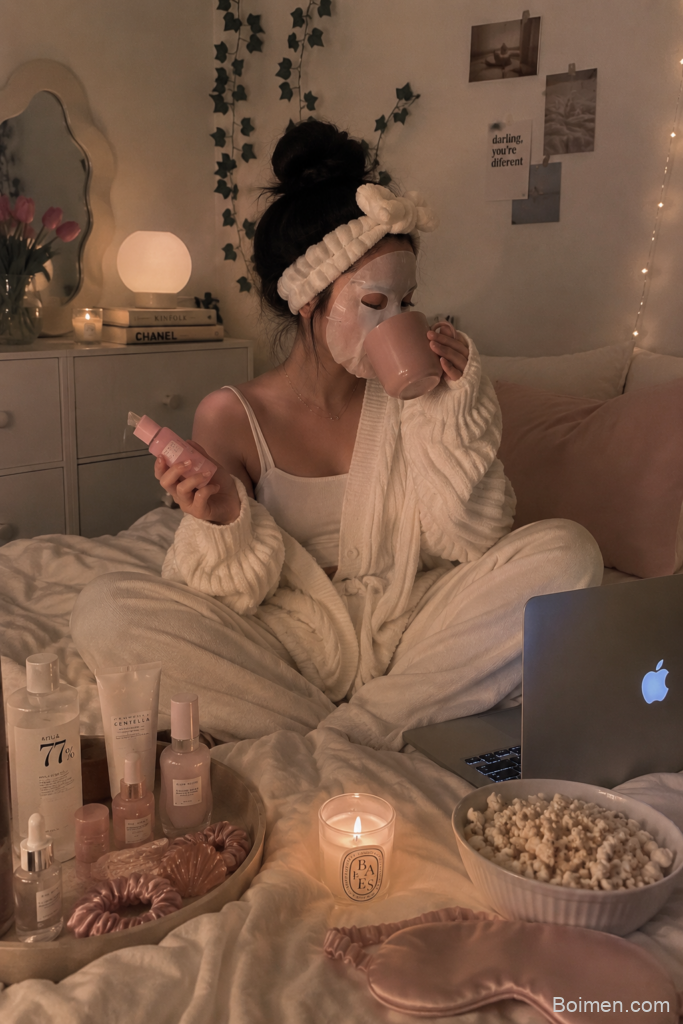
Real self-care isn't about expensive spa days—it's about small, intentional rituals that reset your nervous system. Here's how to build a personalized pampering routine using items you already have, plus the science-backed reasons each step works.
Advertisements1
- Self pampering is a nervous-system reset, not a luxury—20 focused minutes can lower cortisol.
- Use sensory triggers: scent, warmth, and touch to activate relaxation faster.
- You don't need expensive products; Epsom salts, a candle, and your own lotion are enough.
- Habit-stack your pampering with existing routines (like showering) to make it stick.
- Include a mental component—like a puzzle or journaling—to quiet your brain, not just your body.
- Try a social spa night to boost connection and accountability.
Why Self Pampering Matters More Than a Treat
Self pampering is often dismissed as indulgence, but it's actually a form of nervous system regulation. When you deliberately slow down and engage your senses—warmth, scent, touch—you activate your parasympathetic response, lowering cortisol and heart rate. Research from the University of Westminster found that even a 15-minute warm bath can reduce anxiety and improve mood for up to three hours afterward.
But not all pampering is equal. A mindless scroll on the couch doesn't count; it often leaves you feeling more drained. True pampering requires presence. That's why the most effective sessions are short, focused, and sensory-rich. You don't need a full day—just 20 minutes of undivided attention to yourself can shift your whole evening.
The 20-Minute Reset: A Sample Ritual
Here's a simple framework I've used for years, and it works whether you have 20 minutes or two hours. Start by dimming the lights and turning your phone on Do Not Disturb—not silent, but actually DND, because the visual notification pop-ups still trigger dopamine spikes. Light a candle or diffuse an essential oil like lavender or eucalyptus; scent is the fastest route to the limbic system.
Next, take a warm (not hot) shower or bath. Keep it to 10 minutes if you're short on time. Add Epsom salts—magnesium is absorbed transdermally and helps relax muscles. After drying off, apply a body lotion or oil while your skin is still slightly damp; this locks in hydration and turns moisturizing into a self-massage moment. End with three minutes of slow, deep breathing, focusing on the exhale.
This entire sequence costs under $5 per session and requires zero special equipment. The key is consistency—even once a week can lower your baseline stress.
Turn Everyday Chores Into Pampering Moments
You don't need a separate 'spa day' to pamper yourself. Upgrade your daily routines with tiny, deliberate choices. For example, swap your regular shower gel for a scrub with a scent you love, and take an extra 60 seconds to massage your scalp while shampooing. Use a hair mask once a week in the shower—leave it on while you condition the rest of your body.
Another trick is to make your morning coffee or tea a ritual: grind beans or use loose leaf, heat the water to the right temperature, and sip without screens for the first five minutes. That small act of presence is a form of pampering for your mind. Even washing your face at night can become a mini facial if you use a warm cloth compress for 30 seconds before applying your cleanser—it opens pores and feels luxurious.
Pampering on a Budget: What's Worth the Splurge
You don't need a $200 facial or a $60 scented candle. The best-value pampering items are: a good quality Epsom salt (under $10 for a large bag), a reusable heat pack or hot water bottle (under $20), a microfiber hair towel that cuts drying time and reduces frizz (under $15), and a lip mask or overnight lip balm (under $15). These deliver outsized sensory benefits for the cost.
What's rarely worth the splurge? Fancy bath bombs that are mostly baking soda and fragrance, or single-use sheet masks loaded with preservatives. Instead, make your own: mix plain yogurt with honey for a 10-minute face mask, or use cold, steeped green tea bags as eye compresses to reduce puffiness. You'll get the same effect without the markup.
The Mental Side: Pampering Your Brain
Pampering isn't just physical. Your brain needs intentional downtime too, and it's often overlooked. A 2019 study from University College London found that engaging in a low-effort, enjoyable activity—like coloring, journaling, or even organizing a shelf—reduces rumination and boosts mood. The key is that the activity is absorbing but not demanding.
Try this: pick a 'brain spa' activity that's tactile and repetitive, like knitting, painting your nails, or doing a 100-piece jigsaw puzzle. The repetitive motion acts as a moving meditation. Or listen to a podcast you love while doing a face mask—just make sure it's not a true-crime drama that spikes adrenaline. The goal is gentle, not thrilling.
When to Pamper: Timing Is Everything
Schedule your pampering sessions at times when you're most likely to follow through. For most people, that's not right after a stressful workday—you're too wired to settle down. Instead, try a 10-minute wind-down ritual 30 minutes before bed, or a longer session on a Sunday afternoon when you're already in a low-key mood.
Another tip: pair pampering with an existing habit. If you always watch a show at 9 PM, do a foot soak during that time. If you always take a shower in the evening, add a scalp massage. Habit-stacking makes self-care automatic, so you don't have to rely on willpower.
Make It a Social Ritual (Yes, Really)
Pampering doesn't have to be solitary. In fact, doing it with a friend or partner can deepen connection and make you more likely to do it regularly. Host a 'spa night' where you each bring a face mask or a new lotion to try. Set up a DIY manicure station with two bowls of warm water and a shared bottle of cuticle oil.
Even a virtual version works: schedule a video call with a friend where you both do a 10-minute meditation or a hand mask. The accountability and shared experience make the pampering feel more meaningful, and you get the bonus of social connection—which is itself a form of self-care.
How to Do It, Step by Step
- 1Set the scene
Dim the lights, light a candle or diffuse a calming scent, and put your phone on Do Not Disturb. This signals your brain that it's time to relax, lowering the mental chatter. - 2Warm up your body
Take a warm shower or bath for 10-15 minutes. Add Epsom salts to a bath to absorb magnesium and ease muscle tension. The warmth increases blood flow and triggers relaxation. - 3Exfoliate gently
Use a sugar or salt scrub on your body, focusing on rough areas like elbows and heels. This removes dead skin and boosts circulation, leaving your skin smooth and your mind focused on the physical sensation. - 4Moisturize while damp
After drying off, apply body lotion or oil within three minutes of stepping out. This locks in moisture and turns a routine task into a self-massage, which reduces stress and improves skin elasticity. - 5Give your face some love
Apply a hydrating sheet mask or a DIY mask (like yogurt and honey). Leave it on for 10-15 minutes while you lie down and breathe deeply. The horizontal rest and the mask's cooling effect calm your facial muscles and mind. - 6Do a simple hand or foot soak
If you have extra time, soak your feet in warm water with a few drops of peppermint oil or Epsom salt. This is especially effective after a long day on your feet—it reduces swelling and feels deeply soothing. - 7End with a mindfulness minute
Before you get up, take three slow breaths, focusing on the exhale. This transition helps you carry the calm into the rest of your day or into sleep.
True pampering is presence, not price tag—it's the deliberate act of giving your body and mind your full attention for a few minutes.
Frequently Asked Questions
How often should I pamper myself?
Aim for at least once a week for a longer session, but even 5-10 minutes of daily small rituals count. Consistency matters more than duration.
What are the best cheap self-pampering ideas?
Try a warm foot soak with Epsom salt, a DIY face mask from yogurt and honey, or a 10-minute scalp massage while shampooing. All cost under $2 per session.
Can self-pampering help with anxiety?
Yes, when done mindfully. Activities like deep breathing, warm baths, and gentle stretching activate the parasympathetic nervous system, reducing anxiety symptoms.
What is the difference between self-care and self-pampering?
Self-care includes necessary health habits like sleep and hygiene, while self-pampering is an extra layer of deliberate pleasure and relaxation that goes beyond the basics.
How do I make time for self-pampering with a busy schedule?
Start with 10-minute micro-rituals—like a warm towel on your face while you breathe, or a foot soak while you watch TV. Schedule it on your calendar like any appointment.

Elena focuses on healthy cooking and meal prep for people with limited time and budget. She shares flexible recipes and shortcuts that don’t sacrifice flavor.


Leave a Comment