
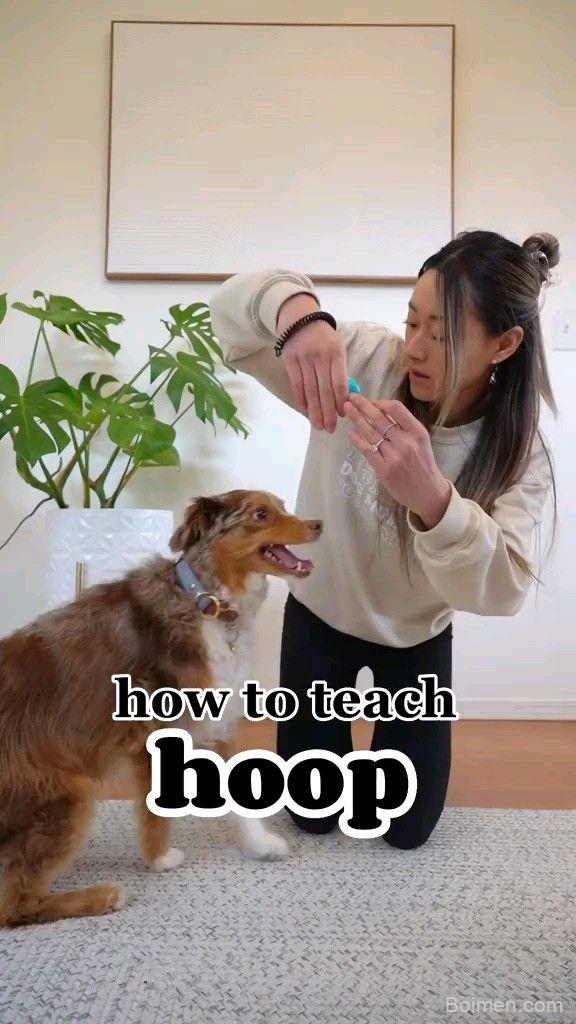
Teaching your dog to jump through a hoop is a fun trick that builds confidence and strengthens your bond, but it requires patience and the right technique. This guide breaks down the process into clear, manageable steps, using positive reinforcement and practical tips to ensure success for both you and your pup.
Advertisements1
- Break training into small steps to avoid overwhelming your dog.
- Use high-value treats and a happy tone to keep your dog engaged.
- Keep sessions under 10 minutes to prevent boredom or frustration.
- Always end on a positive note, even if it means going back a step.
- Safety first: use a soft hoop and start low, especially for puppies.
- Consistency is key—practice daily for the best results.
Why Hoop Training Works: The Science of Shaping
Hoop training is a classic example of shaping, a method where you reward incremental steps toward a final behavior. Instead of expecting your dog to jump through the hoop on day one, you break it down into tiny, achievable milestones. This approach is based on operant conditioning, where behaviors are strengthened by rewards. The key is to set your dog up for success at every step, keeping training sessions short (5-10 minutes) to prevent frustration or loss of interest.
Choosing the Right Hoop and Setup
Start with a lightweight, collapsible hoop (like a 24-inch embroidery hoop or a children's hula hoop) that's easy to hold and adjust. For safety, avoid hoops with hard edges. Secure the hoop at ground level initially, using a stand or having a helper hold it. The hoop should be wide enough for your dog to pass through comfortably, but not so large that it's intimidating. Place it in a hallway or doorway to guide your dog through naturally.
Step-by-Step Training: From Ground to Air
Begin with the hoop flat on the floor, luring your dog through with a treat while saying 'hoop.' Reward immediately when all four paws cross the plane. Gradually raise the hoop a few inches at a time, using a target stick or treat to guide your dog. Always reward the exact moment your dog's front paws go through, then increase height only when your dog is successful 8 out of 10 times. This gradual progression builds muscle memory and confidence.
Troubleshooting Common Problems
If your dog refuses to go through, go back a step and practice with the hoop on the floor. If your dog tries to go around, use a barrier like a chair or your body to block the sides. If your dog jumps too early, use a verbal cue like 'wait' and only release with 'hoop.' Never force your dog through; that only creates fear. Keep sessions positive and end on a high note with a fun trick your dog already knows.
Adding Verbal Cues and Distance
Once your dog is reliably jumping through the hoop on cue, start adding distance. Have your dog sit a few feet away, then send them through with the 'hoop' command. Gradually increase the distance and add distractions. This strengthens the verbal cue and ensures your dog understands the behavior even without a lure. Remember to vary the rewards—sometimes treats, sometimes praise or a toy—to keep your dog motivated.
Safety and Age Considerations
For puppies under 18 months, keep the hoop low to protect developing joints. For senior dogs, consult your vet before starting any jumping activity. Always warm up your dog with a short walk or gentle play before training. Use a non-slip surface to prevent accidents, and ensure the hoop is stable. If your dog shows signs of fatigue or stress, stop training and rest.
Taking It to the Next Level: Tricks and Performance
Once your dog masters the basic hoop, you can teach variations like jumping through while you hold the hoop, jumping through backward, or even combining it with other tricks like spinning. For performance, practice in different environments to generalize the behavior. Attend a local dog trick class or enter a fun competition to showcase your dog's new skill. The possibilities are endless, and the bonding experience is invaluable.
How to Do It, Step by Step
- 1Introduce the hoop
Set the hoop on the floor and let your dog sniff it. Reward any interest with treats to create a positive association. - 2Lure through
Hold a treat in front of your dog's nose and guide them through the hoop while saying 'hoop.' Reward the moment they step through. - 3Raise the hoop
Once your dog is comfortable, raise the hoop a few inches. Repeat the lure, rewarding successful jumps. Increase height gradually. - 4Add a cue
Start saying 'hoop' just before your dog jumps. Eventually, they will associate the word with the action, and you can phase out the lure. - 5Increase distance
Have your dog sit a few feet away, then give the cue. Reward when they jump through. Gradually increase the distance. - 6Practice and generalize
Practice in different locations and with distractions to ensure your dog understands the cue anywhere. Keep sessions fun and short.
The secret to hoop training is not the jump itself, but the trust you build in every small step.
Frequently Asked Questions
How long does it take to teach a dog to jump through a hoop?
It can take 1-2 weeks of short daily sessions, depending on your dog's age and experience. Consistency is more important than length.
What age should a dog start hoop training?
Puppies can start at 8 weeks, but keep the hoop on the ground until they are at least 12-18 months old to protect their joints.
My dog is scared of the hoop. What should I do?
Go back to square one: place the hoop on the floor and reward any interaction, even a sniff. Gradually build a positive association without forcing.
Can any dog learn to jump through a hoop?
Yes, most healthy dogs can learn, but adjust the height and pace for their size and physical condition. Consult your vet for dogs with health issues.

Kenji covers tech productivity and digital minimalism for remote workers. He writes about streamlining workflows and cutting digital clutter with a focus on mental clarity, not just efficiency.


Leave a Comment