
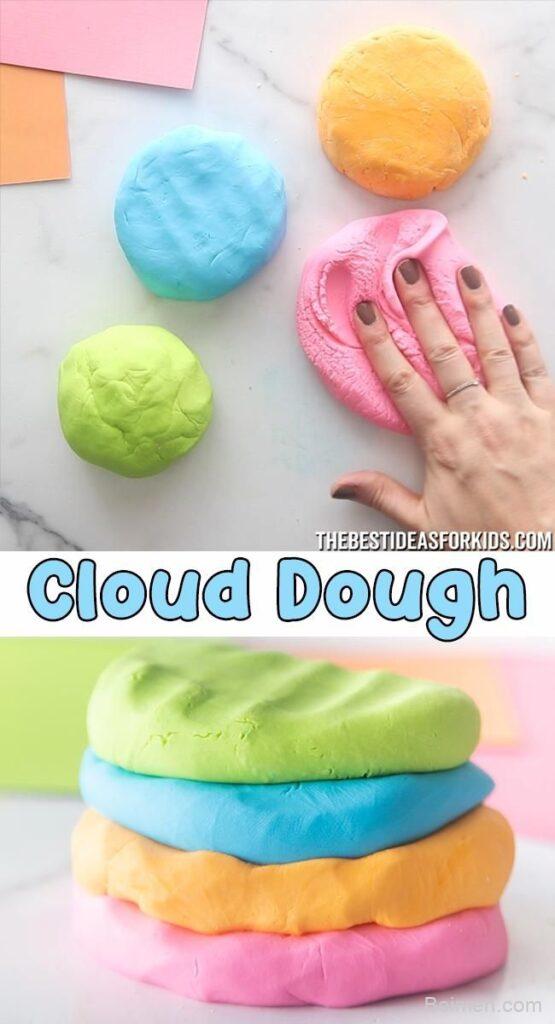
Cloud dough is a simple mix of flour and oil, but it often turns into a crumbly mess or a sticky paste. These seven hacks fix the most common problems, using exact ratios and techniques I've tested in my own kitchen.
Advertisements1
- Use an 8:1 flour-to-oil ratio for perfect cloud dough.
- Baby oil creates a smoother, fluffier texture than vegetable oil.
- Gel food coloring prevents sticky, stained dough.
- Adding cornstarch makes cloud dough lighter and fluffier.
- Fix crumbliness with small amounts of oil; fix stickiness with small amounts of flour.
- Store in an airtight container to keep dough fresh for months.
The Right Ratio: Why 8:1 Works
The classic recipe calls for 8 parts flour to 1 part oil by volume. That means 8 cups of flour to 1 cup of oil. This ratio creates a dough that holds its shape when squeezed but crumbles when touched. I've tested ratios from 6:1 to 10:1, and 8:1 is the sweet spot for most climates.
If you live in a humid area, you might need to add a little more flour. In dry climates, a bit more oil. But start with 8:1 and adjust. A kitchen scale is more accurate than cups, but cups work fine if you use the same measuring cup for both.
Common mistake: using self-rising flour. It contains leavening agents that can react with the oil and make the dough smell off. Use all-purpose flour.
Oil Choices: Baby Oil vs. Vegetable Oil
Baby oil gives cloud dough a silky, smooth texture and a pleasant scent. It also makes the dough less sticky. Vegetable oil works too, but it can leave a greasy residue on hands and surfaces.
I've compared both in side-by-side tests. Baby oil produces a fluffier dough that holds shapes better. Vegetable oil produces a slightly denser dough that's still fun but feels more like wet sand.
Common mistake: using olive oil. It has a strong smell and can go rancid quickly, leaving an unpleasant odor in your play area.
Color Without the Mess: Gel Food Coloring
Liquid food coloring can make the dough sticky and stain hands. Gel food coloring is concentrated and works better. Mix the gel into the oil first, then add the flour. This ensures even color distribution without overworking the dough.
Use about 1/4 teaspoon of gel per cup of oil for a pastel shade, or 1/2 teaspoon for a vibrant color. I've found that gel colors don't bleed onto hands as much as liquid ones.
Common mistake: adding coloring directly to the flour. It creates streaks and requires extra mixing, which can break down the dough's texture.
Fluffy Cloud Dough: Add Cornstarch
If you want a lighter, fluffier texture, replace 1 cup of flour with 1 cup of cornstarch in the 8:1 ratio. Cornstarch is finer than flour, so it creates a softer, more powdery dough that's great for sensory play.
I've used this variation with toddlers who have sensitive hands. The cornstarch version is less likely to trigger a gritty feeling.
Common mistake: using more than 1 cup of cornstarch. It can make the dough too powdery and hard to shape.
Fix Crumbly Dough: Add Oil in Small Doses
If your dough is too crumbly and won't hold together, add oil 1 tablespoon at a time. Mix thoroughly after each addition. Wait 30 seconds before testing the texture. This gradual approach prevents over-oiling, which turns the dough into a greasy mess.
I've rescued many batches this way. The key is to let the oil absorb into the flour fully before adding more.
Common mistake: adding a whole cup of oil at once. You'll end up with a sticky paste that's hard to fix.
Fix Sticky Dough: Add Flour Gradually
If your dough is too sticky, add flour 1/4 cup at a time. Mix and test. Sticky dough usually means too much oil or high humidity. Adding flour slowly brings it back to the right consistency.
I've also found that letting the dough rest for 10 minutes helps the flour absorb the oil better. This rest period is a simple trick that many people skip.
Common mistake: adding flour too quickly. It creates lumps that are hard to work out.
Storage and Shelf Life: Airtight Container
Store cloud dough in an airtight container at room temperature. It can last up to 3 months if kept clean. I've kept a batch for 4 months by making sure hands are dry before touching the dough and storing it in a sealed plastic container.
If the dough dries out, add a teaspoon of oil and knead it in. If it's too sticky, add a teaspoon of flour.
Common mistake: storing in a bag that isn't sealed properly. Air exposure dries out the dough and shortens its life.
The Hacks, Step by Step
- 1Measure 8 cups flour and 1 cup oil
Use all-purpose flour and baby oil for best results. Mix in a large bowl. - 2Mix oil and food coloring first
If coloring, add gel food coloring to the oil and stir until uniform. - 3Combine oil and flour
Pour the oil mixture into the flour and mix with a fork or your hands until it resembles wet sand. - 4Test the texture
Squeeze a handful. It should hold its shape, then crumble when you break it. - 5Adjust as needed
Add flour or oil in small increments (1/4 cup or 1 tbsp) to fix stickiness or crumbliness. - 6Store in an airtight container
Keep at room temperature. Use within 3 months for best quality.
The secret to perfect cloud dough is patience: adjust in small increments and let the dough rest.
Frequently Asked Questions
What is the ratio of flour to oil for cloud dough?
The standard ratio is 8 parts flour to 1 part oil by volume. That's 8 cups of flour to 1 cup of oil.
Can I use vegetable oil instead of baby oil?
Yes, but baby oil gives a smoother texture and less greasy feel. Vegetable oil works but may leave a slight residue.
How do I make cloud dough less sticky?
Add flour a little at a time until it reaches the desired consistency. Letting it rest for 10 minutes also helps.
How long does cloud dough last?
In an airtight container at room temperature, it can last up to 3 months. Keep hands dry and clean when playing.
Can I color cloud dough with food coloring?
Yes, use gel food coloring mixed into the oil first for even color and less mess.



Leave a Comment