
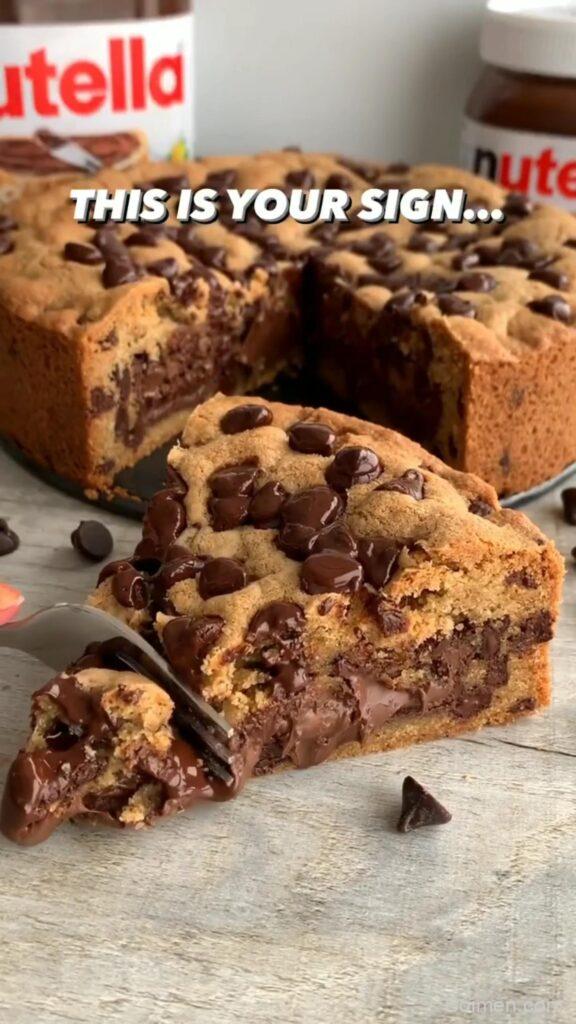
Let me tell you about the cake I make more than any other: a classic vanilla butter cake that comes together in about 50 minutes from start to finish. It's the recipe I bring to birthdays, potlucks, and Tuesday afternoons when the house needs to smell like butter and vanilla. No stand mixer gymnastics, no fussy layers, just one honest, golden cake.
Advertisements1
The secret is really no secret at all. Room-temperature butter and eggs, a quick creaming step, and a gentle bake at 350°F (175°C) give you a fine, tender crumb that slices beautifully and stays soft for days. I keep the ingredient list short on purpose so the vanilla and butter can shine.
If you're new to baking or just want a reliable cake in your back pocket, start here. Once you nail this one, the whole world of pastries opens up, and I've got plenty more recipes waiting for you on the blog.
Why You'll Love This Recipe
About the Ingredients
2 1/4 cups (280g) all-purpose flour
Spoon the flour into the cup and level it off so you don't pack in too much. If you only have cake flour, use 2 1/2 cups (250g) for an even softer crumb.
2 1/2 teaspoons baking powder
Check the date on your can, since old baking powder won't lift the cake. You can swap in 1/2 teaspoon baking soda plus 1 teaspoon lemon juice if needed.
1/2 teaspoon fine salt
Fine sea salt dissolves evenly into the batter. If you use kosher salt, use a slightly heaped 1/2 teaspoon.
3/4 cup (170g) unsalted butter, softened
Butter should dent when you press it but still feel cool. Salted butter works too, just skip the added salt.
1 1/2 cups (300g) granulated sugar
Regular white sugar creams best with butter. Caster sugar is a fine substitute and dissolves a touch faster.
3 large eggs, room temperature
Set them in warm water for 10 minutes if you forgot to pull them out. Large eggs are about 50g each without the shell.
1 tablespoon vanilla extract
Pure vanilla gives the best flavor, but imitation vanilla is fine in a pinch. Vanilla bean paste adds lovely little flecks.
3/4 cup (180ml) whole milk, room temperature
Whole milk gives the richest crumb. Swap in 2% or a plant milk like oat milk, and add 1 teaspoon lemon juice to buttermilk-ify it if you like.
Tips & Tricks
Room Temperature Matters
Cold butter and eggs curdle the batter, so let them sit out for 30 to 45 minutes before you start.
Don't Overmix
Stop as soon as the flour streaks disappear, because extra mixing develops gluten and makes the cake tough.
Test With a Skewer
A toothpick inserted in the center should come out with a few moist crumbs, not wet batter.
Pro Tips
Step-by-Step Instructions
1. Heat the oven
Preheat your oven to 350°F (175°C) and grease a 9-inch round cake pan, then line the bottom with parchment. A properly preheated oven gives an even rise.
2. Whisk the dry mix
In a medium bowl, whisk together the flour, baking powder, and salt for about 30 seconds. This spreads the leavener evenly so the cake rises uniformly.
3. Cream butter and sugar
Beat the softened butter and sugar on medium speed for 3 to 4 minutes until pale and fluffy. The mixture should look lightened in color and feel airy.
4. Add eggs and vanilla
Beat in the eggs one at a time, then the vanilla, scraping the bowl between additions. The batter should look smooth and glossy, not curdled.
5. Alternate flour and milk
Add the dry mix in three additions, alternating with the milk, starting and ending with flour. Mix on low just until each addition disappears, about 15 seconds each.
6. Bake until golden
Scrape the batter into the pan, smooth the top, and bake at 350°F (175°C) for 32 to 38 minutes. The cake is done when the top is golden brown, the edges pull away slightly, and a skewer comes out with moist crumbs.
7. Cool in the pan
Set the pan on a wire rack for 10 minutes, then turn the cake out and cool completely, about 40 minutes. Cooling in the pan too long steams the bottom.
8. Finish and serve
Dust with powdered sugar or add a simple glaze, then slice and serve. Store leftovers covered at room temperature for up to 3 days.
Delicious Variations
Lemon Butter Cake
Add 1 tablespoon lemon zest and swap 2 tablespoons of milk for lemon juice for a bright, sunny twist.
Chocolate Chip Butter Cake
Fold 3/4 cup mini chocolate chips into the finished batter for a kid-friendly treat.
Almond Butter Cake
Replace the vanilla with 1 teaspoon almond extract and sprinkle sliced almonds over the top before baking.
How to Store Classic Vanilla Butter Cake
Refrigerator
Wrap the cooled cake tightly and refrigerate for up to 5 days; bring to room temperature before serving for the best texture.
Freezer
Wrap whole or in slices in plastic, then foil, and freeze for up to 3 months; thaw overnight in the fridge.
Reheating
Warm individual slices in the microwave for 10 to 15 seconds, or refresh the whole cake at 300°F (150°C) for 5 minutes.
Frequently Asked Questions
Q: Why did my butter cake come out dry?
Dry cake usually means too much flour or too long in the oven. Spoon and level your flour, and pull the cake as soon as a skewer comes out with moist crumbs.
Q: Can I make this vanilla butter cake ahead of time?
Yes, you can bake it a day ahead and store it covered at room temperature. Frost or glaze it the day you plan to serve for the freshest look.
Q: What is the best pan for a butter cake?
A light-colored 9-inch round or 9-inch square metal pan gives the most even bake. Dark nonstick pans brown faster, so drop the oven temperature by 25°F (15°C).
Q: Can I use salted butter instead of unsalted?
Yes, just omit the added salt in the recipe. Salted butter varies by brand, so taste the batter and adjust if needed.
Q: How do I know when the cake is fully baked?
The top should be golden and spring back when lightly pressed, and a skewer in the center should come out with a few moist crumbs. Internal temperature around 200°F (93°C) also signals it's done.
Give this classic vanilla butter cake a try this week and tell me how it turns out in the comments. Once you've mastered it, explore my other cake and pastry recipes on the blog, and don't forget to share your bakes with me. Cook smart, eat happy.

Classic Vanilla Butter Cake
This classic vanilla butter cake bakes up tender, buttery, and golden every time, with simple pantry ingredients and one bowl-friendly method.
🧂 Ingredients
- 2 1/4 cups (280g) all-purpose flour
- 2 1/2 teaspoons baking powder
- 1/2 teaspoon fine salt
- 3/4 cup (170g) unsalted butter, softened
- 1 1/2 cups (300g) granulated sugar
- 3 large eggs, room temperature
- 1 tablespoon vanilla extract
- 3/4 cup (180ml) whole milk, room temperature
📋 Instructions
- 1Heat the oven — Preheat your oven to 350°F (175°C) and grease a 9-inch round cake pan, then line the bottom with parchment. A properly preheated oven gives an even rise.
- 2Whisk the dry mix — In a medium bowl, whisk together the flour, baking powder, and salt for about 30 seconds. This spreads the leavener evenly so the cake rises uniformly.
- 3Cream butter and sugar — Beat the softened butter and sugar on medium speed for 3 to 4 minutes until pale and fluffy. The mixture should look lightened in color and feel airy.
- 4Add eggs and vanilla — Beat in the eggs one at a time, then the vanilla, scraping the bowl between additions. The batter should look smooth and glossy, not curdled.
- 5Alternate flour and milk — Add the dry mix in three additions, alternating with the milk, starting and ending with flour. Mix on low just until each addition disappears, about 15 seconds each.
- 6Bake until golden — Scrape the batter into the pan, smooth the top, and bake at 350°F (175°C) for 32 to 38 minutes. The cake is done when the top is golden brown, the edges pull away slightly, and a skewer comes out with moist crumbs.
- 7Cool in the pan — Set the pan on a wire rack for 10 minutes, then turn the cake out and cool completely, about 40 minutes. Cooling in the pan too long steams the bottom.
- 8Finish and serve — Dust with powdered sugar or add a simple glaze, then slice and serve. Store leftovers covered at room temperature for up to 3 days.

Elena focuses on healthy cooking and meal prep for people with limited time and budget. She shares flexible recipes and shortcuts that don’t sacrifice flavor.


Leave a Comment