
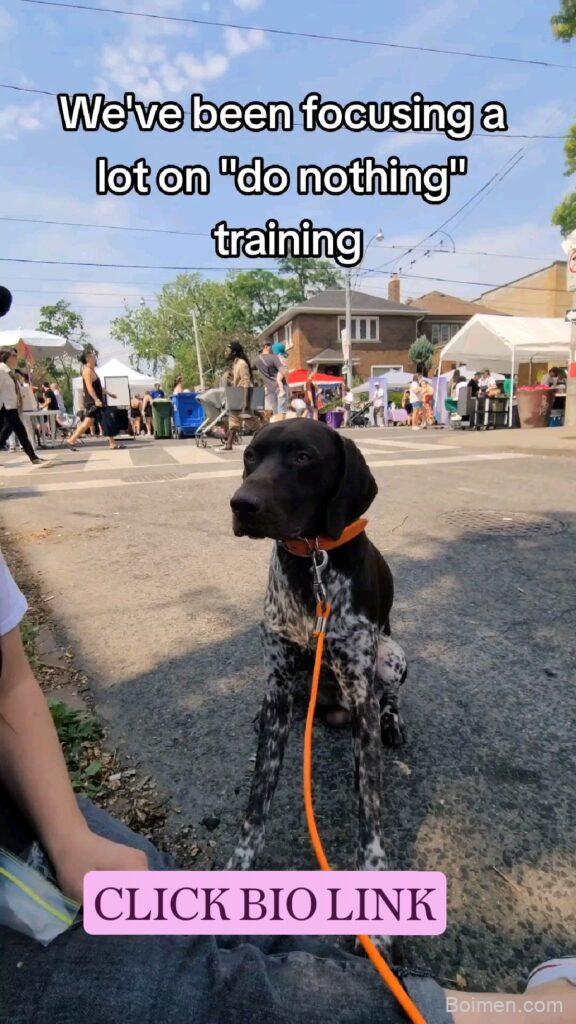
When I adopted my rescue terrier, Milo, I thought training meant endless repetitions and a pocket full of treats. But after months of frustration, I discovered that a smart strategy—not just hard work—makes all the difference. In this guide, I'll share the exact strategies that turned our chaos into calm, so you can get there faster and with less stress.
Advertisements1
- Focus on one behavior at a time to avoid confusing your dog and speeding up learning.
- Use high-value treats and random rewards to boost motivation and make behaviors stick.
- Keep training sessions short (5 minutes) and frequent (2-3 times daily) for best results.
- Proof behaviors in different environments to make them reliable anywhere.
- Manage the environment to prevent rehearsing bad habits; 80% management, 20% training.
- Track your progress to stay motivated and adjust your strategy based on data.
Start with One Behavior at a Time (Not Five)
When I first got Milo, I tried teaching sit, stay, come, and leash manners all at once. Big mistake. He'd get confused, I'd get frustrated, and we'd both end up exhausted. The breakthrough came when I focused on just one behavior for a week—starting with 'sit.' By day three, he was offering sits without a treat in sight. The reason? Dogs learn through repetition and clear criteria. When you lump multiple behaviors together, your dog can't tell which action earned the reward. So pick one skill, break it into micro-steps, and reward every tiny success. Once that behavior is solid 8 out of 10 times, add the next. This sequential approach builds a foundation of confidence for both of you.
Use High-Value Treats (and Pay Like a Slot Machine)
I used to use kibble for training, wondering why Milo would rather sniff the ground. Then I switched to tiny bits of boiled chicken. Suddenly, I had his full attention. The lesson: not all treats are equal. For new or difficult behaviors, use what trainers call 'high-value' rewards—real meat, cheese, or freeze-dried liver. Reserve kibble for easy stuff or as a meal replacement. Also, pay like a slot machine: initially reward every correct response, then gradually switch to random rewards. This variable schedule makes the behavior stick because your dog never knows when the jackpot hits. I keep a treat pouch with three tiers: boring (kibble), good (store-bought soft treats), and jackpot (chicken). This strategy alone cut our training time in half.
Train in 5-Minute Bursts, Not Marathon Sessions
I used to block out 30 minutes for training, thinking more time meant better results. But Milo would lose focus after 10 minutes, and I'd push through, making us both miserable. Now, I set a timer for 5 minutes, two to three times a day. Short sessions keep your dog engaged and end on a high note. Plus, your dog's memory consolidates between sessions, so breaks actually help learning. I keep training treats in my pocket and sneak in mini-sessions during commercial breaks or while waiting for coffee to brew. The key is consistency, not duration. A 5-minute session where your dog succeeds 10 times is worth more than a 30-minute slog where they fail half the time.
Proof Behaviors in Different Environments
Milo could sit perfectly in my living room, but the moment we stepped onto the sidewalk, it was like he'd never heard the word. That's because dogs don't generalize well—they learn in context. So I started proofing: practicing 'sit' in the backyard, then the front yard, then on a quiet street, then near a park. Each new place, I'd lower my criteria and reward generously. This strategy builds a behavior that holds up anywhere. Start easy: add one small distraction (like a toy on the floor) before moving to bigger ones (other dogs, kids, traffic). If your dog fails, you've moved too fast—go back a step. I still proof 'stay' every week at a new location, and it's made a world of difference.
Capture and Shape: Two Underrated Techniques
Sometimes your dog does something adorable or useful on their own—like lying down or backing up. Instead of waiting for a formal command, capture it: mark the behavior with a clicker or a word like 'yes!' and reward. I captured Milo's 'head tilt' and turned it into a cute trick. Shaping is the other gem: reward successive approximations toward a goal. For example, to teach 'go to mat,' I rewarded looking at the mat, then stepping toward it, then touching it, then lying on it. This step-by-step approach is how I taught Milo to close doors and put his toys away. These techniques tap into your dog's problem-solving skills and make training a fun game rather than a chore.
The 80/20 Rule of Training: Management vs. Training
Here's a hard truth: you can't train your way out of poor management. If your dog practices jumping on guests 20 times a day, that's 20 rewards for jumping. So I follow the 80/20 rule: 80% management (preventing bad habits) and 20% training (teaching good ones). For Milo's jumping, I put him on a leash when guests arrived and rewarded him for sitting. That's management plus training. I also use baby gates, closed doors, and tethers to prevent rehearsing unwanted behaviors. This strategy reduces frustration and speeds up progress because your dog isn't constantly practicing the wrong thing. It's not about being strict; it's about setting your dog up to win.
Track Your Progress (Yes, Really)
I started keeping a simple training journal—just a note on my phone after each session. I'd jot down what we worked on, how many successes, and any challenges. After a week, I could see patterns: Milo learned 'down' faster in the morning, and 'stay' was harder when my kids were home. This data helped me adjust my strategy. For example, I moved 'stay' practice to quiet times and saw immediate improvement. Tracking also keeps you motivated—when you feel stuck, you can look back and see how far you've come. I use a free app called Puppr, but a notebook works fine. The point is to be intentional and celebrate small wins.
How to Do It, Step by Step
- 1Pick One Behavior to Focus On
Choose a single, simple behavior like 'sit' or 'touch.' Work on it for 5 minutes, 2-3 times a day, for one week. Why? Because clarity speeds learning and prevents confusion. - 2Stock Three Tiers of Treats
Get boring (kibble), good (soft treats), and jackpot (chicken/cheese). Use jackpot for new or hard behaviors, and vary rewards to keep your dog guessing. Why? High-value rewards boost motivation and random rewards make behaviors stick. - 3Train in Short Bursts
Set a timer for 5 minutes. End on a success, even if it's just a easy win. Why? Short sessions prevent boredom and fatigue, and frequent repetition builds habits faster. - 4Proof in New Places
Once your dog succeeds 8/10 times at home, practice in a new spot (backyard, front yard, quiet park). Lower criteria and reward more. Why? Dogs don't generalize; proofing makes behaviors reliable anywhere. - 5Capture and Shape
Mark and reward behaviors your dog offers naturally (capture). For complex tricks, reward baby steps toward the goal (shaping). Why? It builds problem-solving and makes training fun. - 6Manage the Environment
Use leashes, gates, and tethers to prevent your dog from practicing unwanted behaviors. Aim for 80% management, 20% training. Why? Every repetition strengthens a behavior, good or bad. - 7Keep a Training Log
After each session, note what you worked on, successes, and challenges. Review weekly. Why? Tracking reveals patterns and keeps you motivated with visible progress.
Training isn't about dominance; it's about communication and setting your dog up to succeed.
Frequently Asked Questions
How long should dog training sessions be?
Keep sessions to 5 minutes or less, especially for puppies. Short, frequent sessions are more effective because dogs have short attention spans and learn through repetition. Aim for 2-3 sessions per day.
What if my dog ignores me during training?
Your rewards probably aren't valuable enough or there are too many distractions. Switch to higher-value treats like chicken or cheese, and reduce distractions by training in a quiet space first. Gradually add distractions as your dog succeeds.
Should I use a clicker for dog training?
Clickers can be very effective because they mark the exact moment your dog does the right thing. But you can also use a verbal marker like 'yes!' The key is consistency. I use both, depending on the behavior.
How do I stop my dog from jumping on guests?
Management is key: put your dog on a leash before guests arrive and reward them for sitting. Practice greetings with calm friends who ignore jumping and pet only when all four paws are on the floor.
How long does it take to train a dog?
It varies by dog and behavior, but with consistent short sessions, you can see progress in days for simple behaviors like sit. More complex behaviors like stay or come when called may take weeks. Celebrate small wins!

Maya writes about sustainable living and zero-waste swaps for everyday families. She focuses on small, budget-friendly changes that actually stick, tested in her own chaotic kitchen.


Leave a Comment