
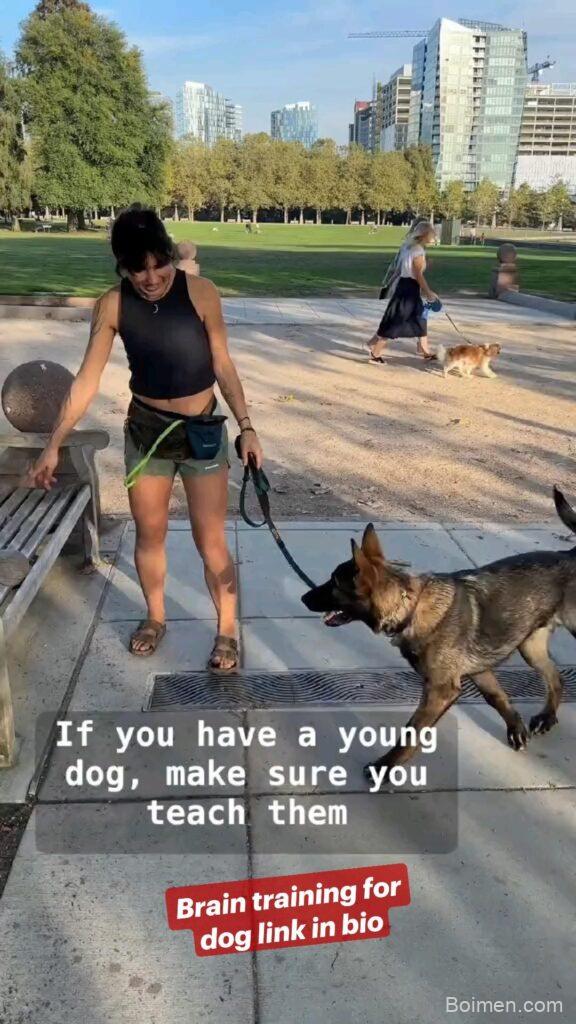
I've been there: standing in my kitchen, staring at a puppy who just ignored my command for the tenth time. But after years of trial and error, I've learned that effective dog training isn't about dominance or fancy tricks—it's about clear communication and consistency. In this guide, I'll share the exact tips that turned my chaotic household into a harmonious one, so you can do the same without the frustration.
Advertisements1
- Positive reinforcement is more effective and humane than punishment.
- Timing is critical: reward within 1-2 seconds of the desired behavior.
- Short, frequent training sessions work better than long, infrequent ones.
- Socialization should start early and continue throughout your dog's life.
- Consistency from all family members is key to success.
- Progress over perfection: celebrate small wins and stay patient.
Start with the Basics: Sit, Stay, and Come
Every dog needs a solid foundation, and that starts with three commands: sit, stay, and come. These aren't just party tricks; they're safety skills. I remember when my rescue terrier, Max, bolted out the front door. If he hadn't mastered 'come,' he could have been hit by a car. To teach sit, hold a treat close to his nose, then slowly move it up and back over his head. As his nose follows, his bottom will hit the floor. Say 'sit' once, then reward. For stay, ask for a sit, then take one step back. If he holds, reward. Gradually increase distance. For come, start in a hallway, crouch down, and cheerfully call his name. Never scold him when he comes—even if it took forever—or he'll associate coming with punishment. Practice these in 5-minute sessions, twice a day.
Master the Art of Timing and Reward
Dogs live in the moment. If you reward even two seconds after a behavior, they won't connect the dots. I learned this the hard way with my beagle, Lucy. I'd call her, she'd come, but by the time I found a treat in my pocket, she'd wandered off. She wasn't being stubborn; I was just too slow. Now, I keep treats in every room—in my pocket, on the counter, in a bait bag. The moment your dog does what you want, mark it with a clicker or a verbal 'yes!' and immediately treat. This precise timing tells your dog exactly what earned the reward. For example, if you're teaching 'down,' the instant their elbows touch the floor, click and treat. Within a few repetitions, they'll be offering the behavior eagerly.
Keep Training Sessions Short and Fun
Dogs have short attention spans, just like toddlers. Training for 30 minutes straight is a recipe for frustration—for both of you. Instead, aim for 5-10 minute sessions, two or three times a day. I train my dogs while the coffee brews or during TV commercials. It's amazing how much you can accomplish in those small windows. End every session on a positive note, even if it's just a simple 'sit' they already know. This leaves them wanting more. If you're both getting frustrated, stop. Take a break, play fetch, and try again later. Remember, progress over perfection. Some days, my dogs nail everything; other days, they act like they've never heard the word 'sit.' That's normal. Don't guilt-trip yourself or your dog.
Socialize Early and Often
A well-socialized dog is a confident dog. I made the mistake of not exposing my first dog to enough new experiences, and he became fearful of strangers and loud noises. With my current dogs, I started socialization the day I brought them home. I introduced them to different people, places, sounds, and surfaces—always pairing new experiences with treats. For example, I'd take them to a busy parking lot, sit on a bench, and feed them chicken every time a car backfired. Now, they barely flinch at thunderstorms. The critical socialization window is between 3 and 16 weeks of age, but you can always continue. Even adult dogs can learn to be more comfortable with new things if you go slowly and reward calm behavior.
Use Positive Reinforcement, Not Punishment
Science and my own experience agree: positive reinforcement is more effective and kinder than punishment. Yelling, hitting, or using shock collars can damage your relationship and create anxiety. I once tried a squirt bottle to stop my dog from barking, but it only made him afraid of me. When I switched to rewarding quiet behavior, he learned much faster. The principle is simple: reward what you want, ignore or redirect what you don't. If your dog jumps on guests, turn away and cross your arms until they sit, then reward. If they chew your shoes, provide appropriate chew toys and reward them for using those. It's about setting your dog up for success, not waiting for them to fail.
Be Consistent and Patient
Consistency is the glue that holds training together. If you allow your dog on the couch one day but scold them the next, they'll be confused. Everyone in the household must use the same cues and rules. I created a simple chart on the fridge so my family knew exactly what words to use and when to reward. It took a few weeks, but now we're all on the same page. Patience is equally important. Some dogs learn in days, others take months. My border collie mix learned 'roll over' in one afternoon, but my terrier took three weeks to master 'stay.' That's okay. Celebrate the small wins. Keep a training journal to track progress—it's motivating to look back and see how far you've come.
How to Do It, Step by Step
- 1Gather high-value treats
Cut up small pieces of chicken, cheese, or hot dogs. These are more motivating than kibble and will keep your dog focused during training. - 2Choose a quiet space
Start training in a low-distraction environment, like a hallway or living room. Once your dog succeeds there, gradually add distractions. - 3Use a marker word
Pick a word like 'yes' or 'good' and say it the instant your dog performs the desired behavior, then immediately reward. This marks the exact moment they did right. - 4Keep sessions short
Train for 5-10 minutes at a time, two or three times a day. End on a positive note to keep your dog eager for the next session. - 5Practice in different locations
Once your dog masters a command at home, practice in the backyard, front yard, and on walks. This generalizes the behavior. - 6Be patient and consistent
Use the same cues every time and reward consistently. If you're inconsistent, your dog will be too.
Training your dog is not about dominance; it's about building a relationship based on trust and clear communication.
Frequently Asked Questions
How long does it take to train a dog?
Basic commands can be learned in a few weeks with consistent daily practice, but every dog is different. Some may take months to master advanced skills.
What if my dog ignores me during training?
Start in a quieter environment and use higher-value treats. If your dog still ignores you, they might be tired, stressed, or not motivated enough. Take a break and try again later.
Is it ever too late to train an older dog?
No, you can teach an old dog new tricks! Adult dogs can learn, but it may take more patience and repetitions. Adjust your expectations and go at their pace.
Should I use a clicker?
Clickers can be very effective because they provide a consistent, precise marker. However, a verbal marker like 'yes' works too. Choose one method and stick with it.
How do I stop my dog from jumping on people?
Ignore the jumping by turning away and crossing your arms. When your dog sits, reward them. Ask guests to do the same. Consistency is key.

Maya writes about sustainable living and zero-waste swaps for everyday families. She focuses on small, budget-friendly changes that actually stick, tested in her own chaotic kitchen.


Leave a Comment