
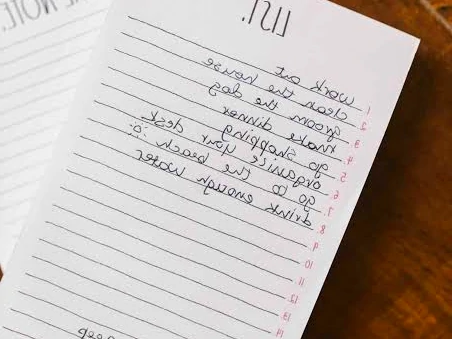
Getting organized does not have to mean creating a perfect schedule or buying a collection of storage containers. The most useful systems are often small habits that reduce the number of decisions you need to make later.
Advertisements1
Choose a few ideas that solve a real problem in your day. A habit is more likely to last when it is easy enough to repeat even on a busy week.
1. Make the Bed or Reset the Bedroom
Making the bed is a quick visual reset, but it is not the only option. If you do not make the bed, spend one minute opening the curtains, putting clothes in the hamper, and clearing the bedside area. The goal is simply to begin the day with one completed reset.
2. Use a Daily Top Three
Long task lists can make everything feel equally urgent. Write down the three tasks that matter most today. You can still keep a larger list, but the top three tells you what deserves attention first.
3. Give Keys and Everyday Items One Home
Choose a consistent place for keys, wallet, work badge, headphones, and other items you search for often. A tray, hook, small basket, or drawer near the entrance can save time every day.
4. Reset the Kitchen After One Meal
You do not need a perfect kitchen all day. Choose one meal, often dinner, after which you clear the main surfaces, handle the dishes, and prepare the kitchen for the next use. A ten-minute reset can make the next morning easier.
5. Put Things Away When You Leave a Room
If you are already walking to another room, take one item that belongs there. This tiny habit prevents cups, papers, clothing, and chargers from slowly collecting in every space.
6. Check Tomorrow Before the Evening Ends
Look at tomorrow’s appointments, weather, deadlines, and transportation needs. Set out anything important, charge a device, or prepare a bag if it will make the morning smoother.
7. Keep a Running Shopping List
Add an item when you notice you are running low instead of trying to remember everything on shopping day. A shared phone list can work well for households because everyone can add what is needed.
8. Deal With Mail and Paper Quickly
Create a simple decision for incoming paper: recycle it, file it, act on it, or place it in one designated action spot. Moving a stack from one counter to another is not an organization system.
9. Use a Small Donation Box
Keep a box or bag in a closet for usable items you no longer need. When it is full, take it to an appropriate donation location. This makes decluttering an ongoing process instead of a major yearly event.
10. Close Small Tasks When Possible
If a task is truly short, consider finishing it instead of creating another reminder for it. Putting a dish away, replying to a simple message, or adding an appointment to the calendar can take less time than remembering it later.
This does not mean you must interrupt focused work for every small task. Use the habit when the timing makes sense.
11. Prepare One Easy Meal Component
You do not need to meal-prep a full week. Washing fruit, cooking rice, chopping a few vegetables, or preparing a simple protein can shorten tomorrow’s cooking time.
12. Clear Your Digital Downloads
Downloads folders quickly become digital junk drawers. Once a day or a few times a week, delete files you do not need and move important files into named folders. The same idea works for screenshots on your phone.
13. Use Timers for Short Resets
A five- or ten-minute timer can make an annoying task feel smaller. Use it for a desk reset, laundry pickup, kitchen cleanup, or inbox review. Stop when the timer ends if you need to; a small improvement still counts.
14. End the Day With a Clear Surface
Choose one surface that you like to see clear in the morning: a kitchen island, desk, dining table, or bathroom counter. Reset only that surface every evening. One reliable calm area can make a room feel much more organized.
15. Review the Week for Ten Minutes
Once a week, look at unfinished tasks, upcoming appointments, meals, household needs, and anything that surprised you during the previous week. This is not about creating a strict plan. It is about reducing avoidable last-minute problems.
How to Make Habits Easier to Keep
- Attach a new habit to something you already do.
- Make the first version very small.
- Keep needed supplies where the habit happens.
- Do not start ten new routines at the same time.
- Change a system that repeatedly fails instead of blaming yourself for the system.
Start With the Habit That Removes Friction
The best organization habit is not always the one that looks impressive. It is the one that removes a repeated frustration. If you lose keys, create a key spot. If mornings are rushed, prepare one thing at night. If clutter grows on the table, create a five-minute evening reset.
Start with one or two habits and let them become normal before adding more. Simple systems are usually easier to maintain than perfect systems.


Leave a Comment