
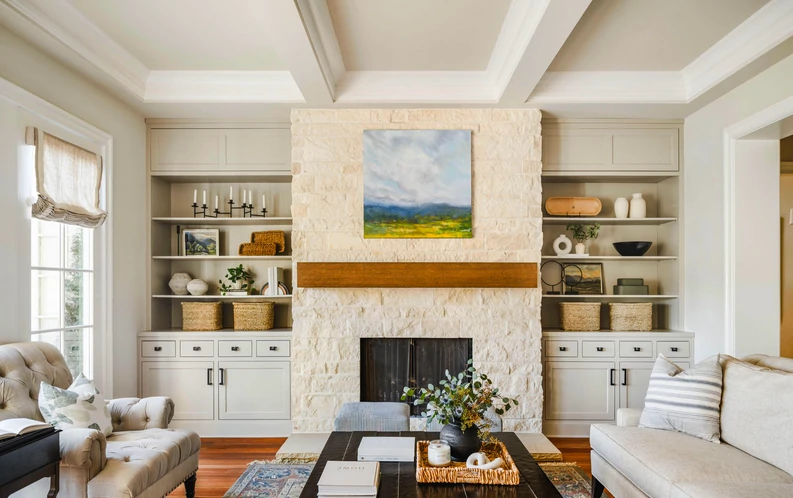
A room can feel more comfortable without a full renovation or a large shopping list. Small changes in lighting, layout, texture, and organization often make a bigger difference than buying many new decorations.
Advertisements1
Before you spend money, look at the room as it is. Notice what feels crowded, dark, unfinished, or difficult to use. Then choose one or two changes that solve those problems first.
1. Clear One Visual Hot Spot
Start with the area your eyes notice first when you enter the room. It may be a crowded coffee table, an overloaded entryway, or a shelf with too many small objects. Remove everything, clean the surface, and return only the items that are useful or meaningful.
This quick reset can make the entire room feel calmer.
2. Use a Larger Rug When the Room Feels Disconnected
A rug can visually connect furniture. In a living room, a rug usually feels more intentional when at least the front legs of the main seating pieces can sit on it. A very small rug may make the furniture look as if it is floating around the room.
Measure before buying. Painter’s tape on the floor can help you preview a rug size.
3. Add Layers of Lighting
One bright ceiling light can make a room feel flat. Try using more than one light source, such as a floor lamp, table lamp, reading light, or small accent light. Different lighting levels let the room change from practical during the day to relaxing in the evening.
Choose bulbs with a consistent color temperature in the same room for a more unified look.
4. Hang Curtains Higher
When possible, hanging curtains above the top of the window can make the wall feel taller. Curtains that reach close to the floor often look more finished than panels that stop halfway down the wall.
Always check the correct measurements for your window and hardware before drilling.
5. Repeat a Few Colors
A room does not need to match perfectly. It often feels more connected when two or three colors appear more than once. A color from a rug can repeat in a pillow, artwork, vase, or throw.
You do not need exact shades. Similar tones can create a natural layered look.
6. Mix Textures Instead of Adding More Clutter
If a space feels boring, add texture before adding many decorative objects. Think about linen, cotton, wood, woven baskets, ceramics, glass, or a soft throw. Texture adds visual interest while the room can still remain simple.
7. Create a Small Entry Drop Zone
Even a tiny entryway works better when everyday items have a home. A tray for keys, hooks for bags, a basket for shoes, or a narrow shelf can reduce clutter that would otherwise spread through the house.
The best system is the one that is easy enough to use every day.
8. Use Mirrors With a Purpose
A mirror can reflect light and make a room feel more open. Try placing one where it can reflect a window, lamp, or attractive part of the room rather than a cluttered corner.
Secure heavy mirrors properly and use hardware suitable for the wall and weight.
9. Style Shelves With Breathing Room
Open shelving looks calmer when every inch is not filled. Combine books, practical storage, and a few decorative items. Leave some empty space around groups of objects so each group is easier to see.
A simple rule is to remove one or two pieces if a shelf still feels busy after you finish.
10. Bring in Something Natural
A plant, branch, bowl of fruit, flowers, or another natural element can soften a room. If real plants are not practical for your light conditions or routine, a simple high-quality artificial plant can still add shape and color.
Choose pet-safe plants if animals can reach them.
11. Make Everyday Storage Look Intentional
Storage does not need to disappear. Matching or coordinated baskets, boxes, jars, and bins can make useful items look organized. Keep frequently used items easy to reach and move rarely used items to less visible storage.
12. Edit Before You Buy
The easiest decorating mistake is buying something because it looks attractive in a store without knowing where it will go. Before buying, decide what the room actually needs: more light, a larger piece of art, hidden storage, a softer texture, or a better furniture layout.
A short plan helps you avoid collecting items that compete with each other.
A Quick Room Refresh Checklist
- Remove obvious clutter.
- Check the furniture layout and walking paths.
- Add or improve one secondary light source.
- Repeat two or three colors around the room.
- Add one soft texture and one natural element.
- Leave some surfaces and shelves partially empty.
- Measure before buying large decor.
Decorate for the Way You Live
A beautiful room should still be easy to use. If you need baskets for toys, a charging station, washable fabrics, pet-friendly materials, or a place to drop work bags, include those needs in the design instead of hiding them.
The most successful home decor is not the room with the most objects. It is the room where color, light, furniture, and storage work together so everyday life feels easier.


Leave a Comment