
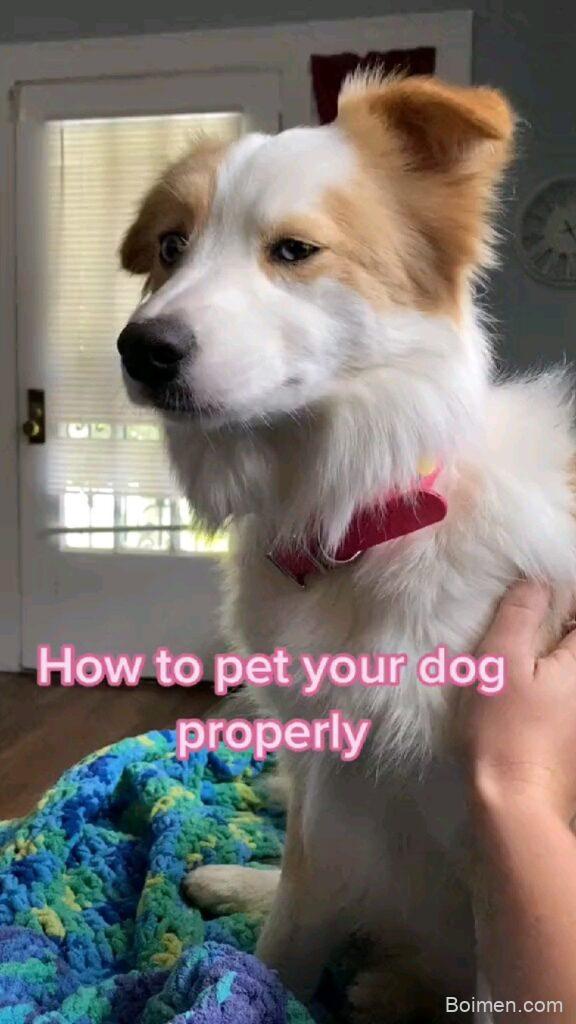
You don't need a fancy trainer or endless hours to get a well-behaved dog. I've trained three rescue pups using simple, reward-based methods—and I'll share the exact steps that worked for us.
Advertisements1
- Keep training sessions short—5 minutes, 3 times a day—to maintain focus and prevent burnout.
- Use high-value treats and mark the exact moment your dog performs the desired behavior.
- Socialize puppies between 3-14 weeks and continue throughout adulthood for a confident dog.
- Consistency is crucial: everyone in the household must use the same cues and rules.
- Incorporate training into daily routines for natural, real-world practice.
- Be patient and celebrate small wins; progress over perfection.
Start with the Basics: Sit, Stay, Come
Every dog needs a solid foundation. I start with 'sit' because it's easy to lure and immediately useful. Hold a treat close to your dog's nose, then move it up and back over their head. As their butt hits the floor, say 'sit' and reward. Practice 5 reps, 3 times a day.
Next, add 'stay.' Ask for a sit, then take one step back. If they hold for 2 seconds, reward. Gradually increase distance and duration. I use a release word like 'free' to signal they can move. This prevents them from breaking early.
Finally, 'come' is a lifesaver. Start indoors with a 6-foot leash. Say 'come' in a happy voice, gently reel them in, and reward generously. Never call them for something unpleasant (like a bath). Make it the best thing ever.
Use High-Value Treats and Timing
Not all treats are equal. For new behaviors, use tiny pieces of cooked chicken, cheese, or freeze-dried liver. These are high-value and keep your dog motivated. Reserve kibble for easy stuff.
Timing is everything. You have about 1-2 seconds to mark the exact moment your dog does the right thing. I use a clicker or a verbal 'yes!' to mark, then treat. This clarity speeds up learning.
Keep sessions short—5 minutes max. Dogs lose focus quickly. I do three short sessions a day, and my dogs think it's a game. Always end on a success, even if it's just a simple sit.
Prevent Problem Behaviors Before They Start
Jumping, nipping, and pulling are normal dog behaviors, but we can prevent them from becoming habits. For jumping, turn away and ignore your dog until they have four paws on the floor. Then greet calmly. Consistency is key—everyone in the house must follow the same rule.
For leash pulling, stop moving the moment the leash goes tight. Wait for slack, then reward and continue. This teaches that pulling gets them nowhere. I also use a front-clip harness for strong pullers.
Nipping is common in puppies. Yelp 'ouch!' and pause play for 10 seconds. If they continue, end the session. They'll learn that teeth on skin ends the fun.
Socialize Early and Often
The critical socialization window is 3-14 weeks. During this time, expose your puppy to different people, places, sounds, and surfaces. But do it positively—never force them. I carry treats and reward calm curiosity.
After 14 weeks, continue socializing but go at your dog's pace. If they're fearful, increase distance from the trigger and reward for looking at it without reacting. This is called desensitization and counter-conditioning.
A well-socialized dog is less likely to develop anxiety or aggression. I take my dogs to pet-friendly stores, parks, and friends' houses. Even a short trip to a new environment counts.
Be Consistent and Patient
Dogs thrive on routine. Use the same cues, the same rules, and the same rewards. If 'sit' means sit every time, your dog will learn faster. Inconsistency confuses them.
Patience is your superpower. Some behaviors take weeks or months to solidify. I keep a training journal to track progress. Celebrate small wins—like holding a stay for 5 seconds instead of 2.
Remember, your dog isn't giving you a hard time; they're having a hard time. If they're struggling, break the behavior into smaller steps. For example, if 'stay' is too hard, reward for just 1 second of staying.
Incorporate Training into Daily Life
You don't need formal sessions to train. Use everyday moments: ask for a sit before meals, a down before petting, and a wait at doors. This builds impulse control.
I also hide treats around the house for nose work games. It tires my dogs out mentally and reinforces their natural instincts. A tired dog is a well-behaved dog.
When on walks, practice 'look at me' to get their attention. Reward when they check in with you. This keeps them engaged and prevents pulling.
Troubleshooting Common Training Hurdles
If your dog ignores you, you might be asking for too much too soon. Go back to easier steps and reward more frequently. Also, check your environment—too many distractions? Train in a quiet space first.
If your dog is food-motivated but gets bored, switch up the treats. Use a toy or praise as a reward if they're not hungry. I use a mix of treats and tug toys.
If you're feeling frustrated, take a break. Training should be fun for both of you. A stressed dog can't learn, and a stressed human can't teach. Walk away, breathe, and try again later.
How to Do It, Step by Step
- 1Charge Your Marker
Pick a word like 'yes' or a clicker. Say it, then immediately give a treat. Repeat 10 times. This teaches your dog that the marker predicts a reward, making training clearer. - 2Lure and Reward
Use a treat to guide your dog into position (e.g., sit). As soon as they comply, mark and reward. Fade the lure quickly by using an empty hand gesture. - 3Add a Verbal Cue
Once the behavior is reliable with a hand signal, say the word (e.g., 'sit') just before the signal. After 10 reps, try the word alone. Reward heavily for success. - 4Proof in Different Places
Practice the behavior in various locations—living room, backyard, front yard. Start easy and increase distractions gradually. This generalizes the behavior. - 5Increase Duration and Distance
For stay, add 1 second at a time. Step back one foot, then two. If your dog breaks, go back to the last successful step. Slow and steady wins. - 6Use Real-Life Rewards
Ask for a sit before putting down the food bowl, before opening the door, before a walk. This makes training part of daily life and reinforces good manners. - 7End on a High Note
Always finish with a behavior your dog knows well and reward generously. This leaves them eager for the next session.
Training isn't about dominance—it's about communication and building a bond based on trust and rewards.
Frequently Asked Questions
How long does it take to train a dog?
Basic cues like sit and stay can be learned in a few weeks with daily short sessions, but reliable behavior in distracting environments takes months. Consistency and patience are key.
What if my dog ignores me during training?
Your dog might be overwhelmed or not motivated enough. Reduce distractions, use higher-value treats, and go back to easier steps. Also, ensure you're not asking for too much too soon.
Can I train an older dog?
Absolutely. Dogs of any age can learn new tricks. Older dogs might be slower physically, but they can still learn with positive reinforcement and patience.
How do I stop my dog from pulling on the leash?
Stop moving the moment the leash tightens. Wait for slack, then reward and continue. This teaches your dog that pulling gets them nowhere, while loose leash walking moves them forward.
What are the best treats for training?
High-value treats like small pieces of chicken, cheese, or freeze-dried liver work best for new behaviors. Reserve kibble for easy tasks or use a mix to keep your dog guessing.

Maya writes about sustainable living and zero-waste swaps for everyday families. She focuses on small, budget-friendly changes that actually stick, tested in her own chaotic kitchen.


Leave a Comment