
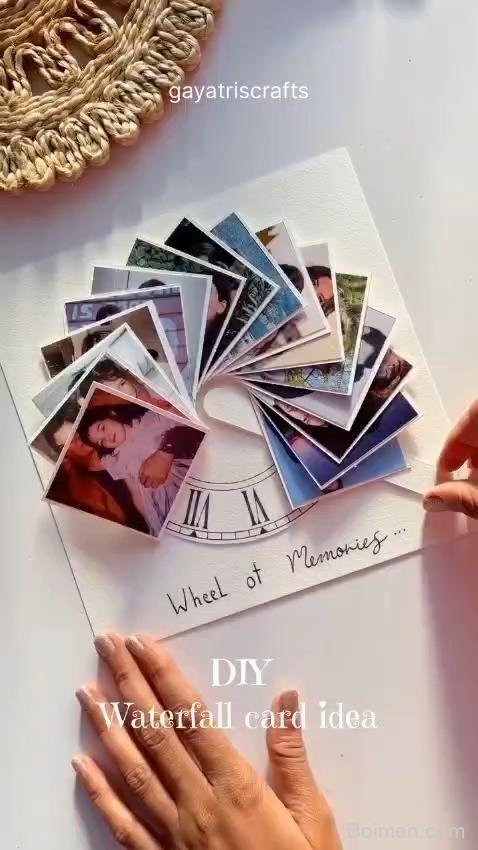
You don't need fancy paper or a perfect way with words to make someone's birthday unforgettable. These seven birthday card hacks are small, specific, and take minutes — but they land like a handwritten hug. Let's make this year's card the one they keep.
Advertisements1
- One specific memory beats a page of generic praise — it proves you truly see them.
- The three-layer structure (greeting, memory, wish) makes writing effortless and cohesive.
- The P.S. is the most-read part of a card, so use it for your most honest feeling.
- Matching the card's style to their personality makes the gesture feel intentional.
- A tiny physical artifact turns a card into a keepsake they'll rediscover for years.
- Mailing early multiplies joy through anticipation and removes day-of stress.
Why Birthday Cards Still Matter (Even in a Text-First World)
A text disappears in a scroll. A card sits on a kitchen counter for a week. That's why a 2022 study from the University of Toronto found that recipients of handwritten notes felt significantly happier than they expected, rating the gesture higher than the sender predicted. When you write a birthday card, you're not just being polite — you're giving someone a small, tangible proof that they were on your mind.
But here's the trap: most people default to "Happy Birthday, hope you have a great day!" That's fine, but it's forgettable. The hacks below are about adding one specific, personal detail that turns a generic card into a keepsake. You don't need to be a poet. You just need one real memory, one inside joke, or one small observation that only you would know.
Think of the card as a tiny stage. The message is the performance. Your job is to make it feel like it was written by you and no one else. That's the whole game — and it's easier than you think.
Hack 1: The 'One Memory' Rule
Before you write a single word, close your eyes and pick one specific memory you share with the birthday person. Not "all the fun times we had" — one moment. The time you both got lost driving to that concert and ended up at a diner eating pie at 2 a.m. The time they helped you move and you accidentally dropped a box of books on their foot. That memory is your opening line.
Why it works: Specific memories signal that you actually see them as an individual, not just a name on your calendar. Psychologists call this "capitalization" — sharing a positive memory deepens the bond. It also gives you a natural, warm opening that doesn't sound like a Hallmark template.
Common mistake: Choosing a memory that's actually about you. If the story is mostly about your own funny mishap, it can feel self-centered. Keep the spotlight on them — even a small detail like "the way you laughed when the pie arrived" puts them at the center.
Example: Instead of "Happy birthday! Hope you have a great day," write: "I still think about that 2 a.m. diner pie after we got lost. You made a wrong turn feel like an adventure. I hope this year brings you more wrong turns that turn out right."
Hack 2: Write the Card in Three Layers
A great birthday card has three layers: a warm opening, a specific memory or quality, and a forward-looking wish. Think of it as a tiny sandwich. Layer one: "Happy birthday, [Name]!" Layer two: the one memory or trait you love. Layer three: a wish for the year ahead that ties back to that memory.
Why it works: This structure gives your card a beginning, middle, and end, so it feels complete without being long. It also prevents the dreaded blank-page stare. You're never staring at nothing — you're just filling three small slots.
Common mistake: Making layer three generic ("Hope all your dreams come true"). Instead, tie the wish to the memory. If the memory is about their adventurous spirit, wish them "a year of more happy detours." That makes the whole card feel cohesive and personal.
Example: "Happy birthday, Sam! Remember when we hiked that trail and you insisted we keep going even though it started raining? You've always been the one who pushes forward. I hope this year gives you a summit worth the climb."
Hack 3: Use a 'P.S.' to Sneak in the Real Feeling
The P.S. is the most-read part of any note. People skim to the bottom. So use it. After you've written your three layers, add a P.S. that says the thing you'd normally be too shy to say out loud. "P.S. I don't say this enough, but I'm really glad you're my friend." Or "P.S. You make ordinary days better."
Why it works: The P.S. feels like an afterthought, which makes it feel more honest. It bypasses the polite opening and lands right in the heart. In direct-mail marketing, the P.S. is famously the second-most-read element after the headline. In a birthday card, it's the emotional headline.
Common mistake: Making the P.S. a to-do list item ("P.S. Don't forget we're meeting at 7"). That kills the warmth. Keep the P.S. purely for feeling or a tiny, sweet joke.
Example: "P.S. I still have the playlist you made me three years ago. It's my go-to when I need a boost. Thank you for that."
Hack 4: Match the Card to Their 'Energy' (Not the Store Aisle)
The card itself is a costume for your message. A glittery pop-up card says "I'm here for a party." A minimalist letterpress card says "I'm here for a quiet, sincere moment." Before you buy, think about the recipient's personality, not what's on sale. If they're a plant person, a botanical card with a handwritten note about their garden will feel like you truly know them.
Why it works: Visual congruence makes the message feel more intentional. It's the same reason a gift wrapped in their favorite color feels more thoughtful. You're not just writing a card; you're curating a small experience.
Common mistake: Choosing a card that's funny when the person is going through a hard time, or overly sentimental when they'd rather laugh. Read the room. If they just lost a job or a pet, a lighthearted card can feel tone-deaf. When in doubt, go warmer and simpler.
Example: For a friend who loves baking, choose a card with a simple whisk illustration and write: "Happy birthday to the person who turns flour and butter into love. I'm still dreaming about your lemon bars."
Hack 5: The 'Two-Sentence' Rule for Busy Days
Some days you have five minutes and a pen that's running out of ink. That's fine. Use the two-sentence rule: one sentence about them, one sentence about you. "You have a way of making people feel at home. I'm lucky to be one of them." That's it. That's the card.
Why it works: Brevity forces clarity. When you have unlimited space, you fill it with fluff. When you have two sentences, you write the truest thing. It also respects your time and theirs — a short, potent note often lands harder than a long, rambling one.
Common mistake: Apologizing for the short card ("Sorry this is so short, I'm swamped"). That makes it about your guilt, not their birthday. Just write the two sentences and sign it. No apologies needed.
Example: "You make everything more fun. I'm so glad you were born. Happy birthday!"
Hack 6: Add a Tiny Physical Artifact
Tuck something small inside the card: a pressed flower from your walk, a movie ticket stub from a film you saw together, a sticky note with a doodle, or a single wrapped tea bag. It doesn't need to be a gift. It just needs to be a physical echo of your relationship.
Why it works: It turns the card from a piece of paper into a tiny time capsule. Every time they open it, they'll find that artifact again. It's a sensory anchor — touch and smell are powerful memory triggers. A pressed violet from your garden will remind them of you long after the card is put away.
Common mistake: Adding something that will rot, leak, or get crushed — like a fresh flower or a piece of chocolate. Go dry and flat: a sticker, a photo, a ticket, a handwritten quote on a scrap of nice paper. Keep it clean and lasting.
Example: Tape a small photo of the two of you at that diner inside the card with washi tape and write: "Remember this? Let's do it again soon."
Hack 7: Mail It Early (and Tell Them Why)
A birthday card that arrives two days early is a gift in itself. It extends the celebration. So mail it a week before, or hand-deliver it the day before. Then, when you text them on the actual day, you can say: "I wanted you to have a little extra birthday, so I sent it early."
Why it works: Anticipation is a happiness multiplier. Research on birthdays shows that the anticipation of a celebration often brings more joy than the event itself. By mailing early, you give them a preview of the love coming their way. It also takes the pressure off the actual day — if they're busy or stressed, your card is already there, waiting.
Common mistake: Mailing it late and apologizing. If you're late, don't make a big deal. Just send it with a note: "Better late than never — but you're worth the wait." Then set a phone reminder for next year, two weeks before their birthday.
Example: Set a recurring calendar alert for "Buy card for Jamie" 14 days before their birthday. When the alert pops up, you have plenty of time to write and mail it without rushing.
The Hacks, Step by Step
- 1Pick one specific memory
Close your eyes and choose a single moment you shared with the birthday person. Write it down in one sentence. This becomes the heart of your card and keeps you from writing generic filler. - 2Write in three layers
Open with a warm greeting, add your specific memory or a quality you admire, and close with a wish for the year ahead that ties back to that memory. This gives your card a natural flow. - 3Add a heartfelt P.S.
After the main message, write a P.S. that shares a feeling you'd normally be too shy to say. People read the P.S. first, so make it count. - 4Choose a card that matches their vibe
Think about their personality, not the store display. A minimalist card for a minimalist friend, a funny card for a jokester. Visual congruence makes the message feel more intentional. - 5Tuck in a tiny artifact
Add a flat, dry keepsake like a photo, ticket stub, or pressed flower. It turns the card into a small time capsule they'll want to keep. - 6Mail it a week early
Send the card so it arrives at least two days before the birthday. Early arrival extends the celebration and shows you planned ahead. - 7Set a recurring reminder
Put a calendar alert two weeks before each important birthday. That gives you time to buy, write, and mail without the last-minute scramble.
A birthday card isn't about saying the perfect thing — it's about saying one true thing that only you could say.
Frequently Asked Questions
What should I write in a birthday card if we're not that close?
Keep it warm and simple: acknowledge one positive quality you've noticed and wish them a happy year. For example: "You always bring such good energy to the team. Hope your birthday is as great as you make everyone else's day." That's enough — you don't need a deep memory.
How long should a birthday card message be?
Aim for 3–5 sentences, or about 50–80 words. That's long enough to feel personal but short enough to stay sincere. If you're short on time, two sentences work beautifully: one about them, one about you.
Is it okay to send a birthday card late?
Yes, absolutely. A late card is still a lovely surprise. Just don't over-apologize — a simple "Better late than never!" or "Thinking of you a little late" keeps the focus on them. Then set a reminder for next year.
What if I'm not good with words?
You don't need to be. Use the 'one memory' rule: write down a single specific moment you shared and why it mattered. That's more powerful than any poetic phrase. You can also borrow a line from a song or book and explain why it reminds you of them.
Should I include a gift card or money inside the birthday card?
Only if it feels right for your relationship and their preferences. If you do, write a note explaining why you chose it — "I thought you'd love a night off from cooking" — so it feels personal, not transactional. The card's message should still be the star.



Leave a Comment