
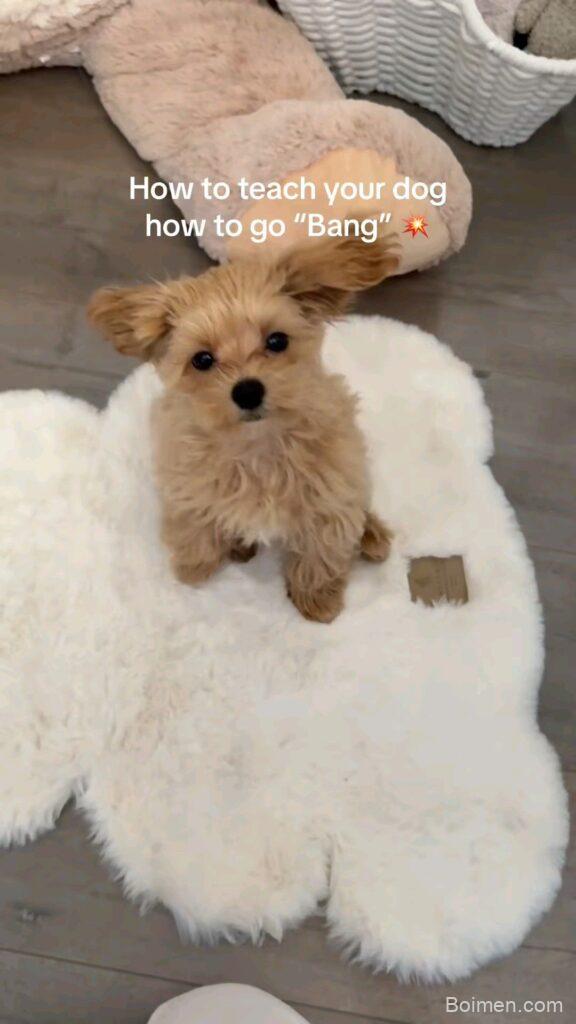
Dogs are not being stubborn when they ignore you; they simply haven't learned that your voice predicts good things. This tutorial—the Name Game—builds that association in short, gentle repetitions, turning your puppy's name into a cue for attention rather than a command to obey.
Advertisements1
- The Name Game builds attention by pairing your puppy's name with high-value treats—no commands required.
- Say the name once; repeating it teaches your puppy to ignore the first call.
- Keep sessions to two minutes, three times a day, for about a week to see reliable responses.
- Increase distraction gradually, and boost treat value when your puppy struggles.
- Reserve the name for positive moments only—never use it before something unpleasant.
Why the Name Game Matters More Than You Think
Most puppies learn their name the way they learn the sound of a door opening—it happens around them, but it doesn't mean anything yet. The Name Game changes that. You pair the name with something the puppy already loves, usually a tiny piece of chicken or cheese, and repeat it in quiet, low-distraction settings until the name itself becomes a small piece of good news.
I first learned this from a trainer who worked with service-dog puppies. She said, "A name is not a command. It's an invitation." That sentence stayed with me. When you call your puppy's name and they look at you, you're not asking for a sit or a down. You're simply saying, "I'm here, and something nice is about to happen." That distinction matters because it keeps the puppy's response joyful rather than pressured.
In practice, I do this for two minutes at a time, three times a day, for about a week. That's roughly 42 repetitions—enough to build a habit without overwhelming a young brain. The treats are pea-sized: a sliver of boiled chicken, a single freeze-dried liver bit, or a tiny cube of cheddar. The goal is speed, not volume.
The Exact Mechanics: Timing, Treats, and Tone
Timing is everything. Say the name once—"Pip!"—and the instant your puppy's eyes meet yours, mark that moment with a soft "yes" and deliver the treat. The marker word bridges the gap between behavior and reward, but even without it, the treat must arrive within one second. If you're late, the puppy learns that looking at you is irrelevant; the treat came from the sky.
Use a high, happy tone, but not frantic. Think of the voice you'd use to greet a friend across a quiet room—warm, clear, unhurried. I once watched a client shout her puppy's name like a football coach, and the puppy flattened its ears and looked away. Volume is not clarity. A calm, bright voice is far more inviting.
Treats should be tiny and soft. Hard biscuits take too long to chew, and the session loses momentum. I keep a small ceramic bowl of cut-up chicken in the fridge and use it only for training. That ritual—the bowl appearing—becomes a cue in itself. The puppy starts to associate the bowl with the game, and the game with you.
Common Mistakes and How to Avoid Them
The most common mistake is repeating the name. "Pip, Pip, Pip!" teaches the puppy that the first two calls are meaningless noise. Say it once, wait three seconds, and if there's no response, gently clap or kiss to prompt a look, then reward. The name should always be the first and only verbal cue.
Another mistake is using the name to call the puppy for something unpleasant—a bath, a nail trim, the end of play. If your puppy learns that "Pip" predicts a bath, they'll start to hide. Instead, use a different word for those moments, like "Let's go" or "This way." Keep the name sacred for good things.
Finally, don't practice in distracting environments too soon. A quiet hallway or a living room with the TV off is ideal for the first week. Once your puppy looks at you reliably indoors, move to a quiet garden, then a quiet street. Each new place is a new challenge, and you may need to lower your criteria—reward any glance, even a quick one.
Building Duration and Distance Gradually
After your puppy is consistently turning to their name indoors, add distance. Stand two steps away, say the name, and reward the turn. Then three steps. Then across the room. The puppy is learning that the name carries even when you're not right beside them.
Next, add mild distractions. Have a family member sit nearby reading a book. Drop a piece of kibble on the floor and say the name just before the puppy reaches it. If the puppy turns, reward generously. If not, you've made it too hard—go back a step. This is not failure; it's information.
I like to keep a small notebook—just a few lines a day—noting what worked and what didn't. "Pip looked immediately in the hallway; in the garden, needed a kiss sound." That record helps you see progress when it feels slow. Puppies have off days, just like us. The notebook reminds you that the trend is upward.
Real-Life Example: From Distracted to Dialed In
A client's eight-week-old Labrador, Juniper, would chase leaves in the wind and ignore her name entirely. We started in a bathroom with the door closed—the most boring room in the house. Two minutes, three times a day, with tiny pieces of turkey. By day four, Juniper was snapping her head around at the first syllable.
We then moved to the living room, where a cat occasionally walked by. Juniper regressed; she'd look at the cat instead. So we reduced the treat size and increased the value—switching to salmon. Within two sessions, she was back on track. The lesson: when distraction goes up, reward value must go up too.
By week three, Juniper could be called off a scent in the backyard. Not perfectly every time, but eight out of ten. That's a win. And it all started with a boring bathroom and a pocketful of turkey.
When to Move On and What Comes Next
Once your puppy reliably turns to their name in at least three different environments, you can start using it as a gentle recall cue. Say the name, then add a "come" hand signal or word, and reward heavily when they arrive. The Name Game is the foundation; recall is the house built on it.
But don't abandon the game entirely. I still play it with my adult dogs once a week, just for a minute, with a special treat. It keeps the name charged. It's like saying "I still mean it when I say your name."
And if you ever feel frustrated, remember: your puppy is not giving you a hard time; they're having a hard time. The name is just a sound until you make it a promise. Keep the sessions short, the treats tiny, and the tone kind. Less, but better.
How to Do It, Step by Step
- 1Start in a quiet, boring space
Choose a room with no toys, no other pets, and no foot traffic—like a bathroom or hallway. Why: reduces competing stimuli so your puppy can focus on you. - 2Say the name once, then mark and treat
Say your puppy's name in a bright, calm voice. The instant they look at you, say "yes" and give a pea-sized treat. Why: the name predicts good things, so attention becomes automatic. - 3Keep sessions to two minutes, three times a day
Set a timer. Stop while your puppy is still eager. Why: short, frequent reps build habits without fatigue or boredom. - 4Increase difficulty in small increments
Add distance (one step, then two), then mild distractions (a person reading, a toy on the floor). Why: gradual challenges prevent frustration and build reliability. - 5Never repeat the name
If your puppy doesn't respond, wait three seconds, then make a kiss sound or clap to prompt a look, and reward. Why: repeating teaches that the first call is ignorable. - 6Use the name only for good things
For baths, nail trims, or ending play, use a different cue like "Let's go." Why: protects the name's positive association.
A name is not a command; it's an invitation to connect.
Frequently Asked Questions
How long does it take to teach a puppy their name?
Most puppies learn to turn consistently within one to two weeks of short daily sessions. Some need a bit longer if they're easily distracted.
What if my puppy ignores me during the Name Game?
You're likely in too distracting an environment or using low-value treats. Move to a quieter space and try a tastier reward like chicken or cheese.
Should I use a clicker for the Name Game?
A clicker can work, but a verbal marker like "yes" is just as effective and more convenient. The key is precise timing, not the tool.
Can I play the Name Game with an adult dog?
Absolutely. It's a great refresher for any dog, especially if they've become slow to respond. Use it to recharge their name and your connection.
How many treats should I use per session?
Plan for 10–15 pea-sized treats per two-minute session. Adjust based on your puppy's size and diet; you can use part of their regular kibble if it's motivating enough.

Ingrid explores Scandinavian minimalist design and slow living. She writes about creating calm, functional spaces with fewer, better things.


Leave a Comment