
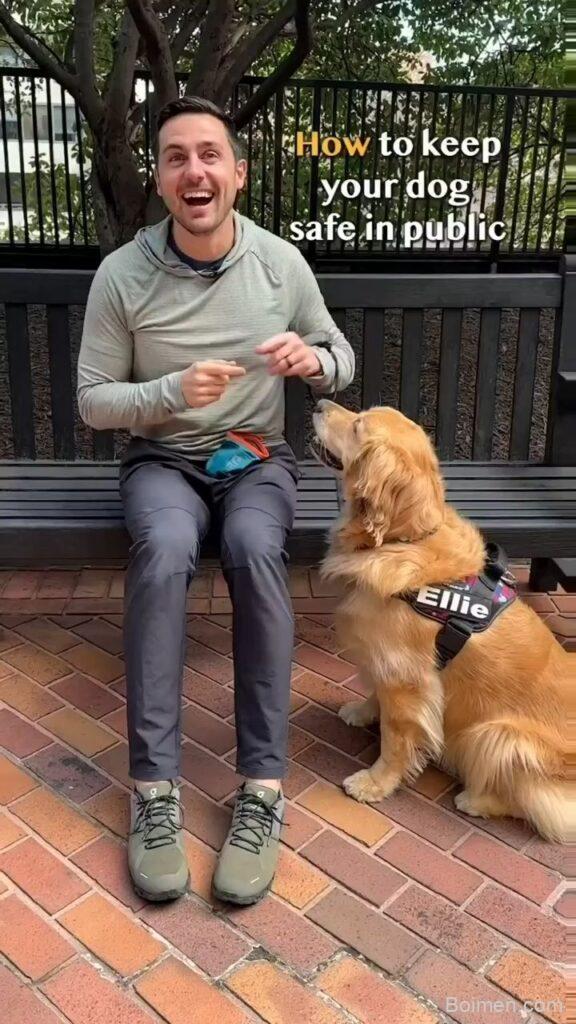
Training your dog doesn't have to be overwhelming. I remember the first week with my rescue pup, Max, thinking I'd never get him to stop jumping. But with a few simple tips, we made progress—and you can too. Here's how to train your dog with small, consistent steps.
Advertisements1
- Focus on one behavior at a time to avoid confusing your dog.
- Reward within 1-2 seconds of the behavior for effective learning.
- Use a marker word like 'yes' to pinpoint the exact moment of success.
- Keep training sessions short and always end on a positive note.
- Consistency in cues and rules across all family members is crucial.
- Redirect unwanted behaviors instead of punishing them.
Start with One Behavior at a Time
When I first got Max, I tried teaching him sit, stay, and come all at once. It was a disaster—he just stared at me like I was speaking Martian. That's when I learned: dogs learn best when you focus on one behavior at a time. Pick the most important skill first, like 'sit' or 'leave it.' Practice in short bursts—5 minutes, twice a day. Why? Dogs have short attention spans, and repeating one action builds muscle memory. Once your dog nails it 9 out of 10 times, add a new cue. This prevents confusion and keeps training positive.
Use High-Value Treats (and Timing Matters)
Not all treats are equal. For Max, kibble was 'meh,' but freeze-dried liver? Game changer. High-value treats make your dog eager to work. But the real secret is timing: reward within 1-2 seconds of the behavior. If you wait even 3 seconds, your dog won't connect the treat to the action. I keep a treat pouch on my hip during sessions. Also, vary rewards—sometimes use a toy or praise—so your dog doesn't expect a treat every single time. This builds a strong behavior that lasts.
Master the Marker Word
A marker word like 'yes' or a clicker tells your dog exactly when they did the right thing. I use 'yes' because it's easy and always with me. Here's how: say 'yes' the moment your dog's butt hits the floor for a sit, then treat. The marker bridges the gap between behavior and reward. Without it, your dog might think the treat is for standing up again. Practice marking and rewarding random good behaviors throughout the day—it's like giving your dog a paycheck for a job well done.
Keep Sessions Short and End on a Win
Long training sessions tire your dog and you. I aim for 5-10 minutes max, especially with puppies. Always end with a success—even if it's just a simple 'sit' they already know. This leaves your dog wanting more. If you're struggling with a new skill, break it into tiny steps. For example, to teach 'down,' first reward for looking at the ground, then for lowering the head, then for elbows down. Celebrate each tiny win. Progress over perfection, always.
Be Consistent with Cues and Rules
Dogs thrive on consistency. If 'down' means lie down, don't also use it to mean 'get off the couch.' I made that mistake with Max and confused him for weeks. Choose one word per behavior and stick to it. Also, make sure everyone in the household uses the same cues and rules. If you allow jumping on you but your partner doesn't, your dog will be confused. Write down your cues and rules on the fridge. Consistency is the glue that makes training stick.
Socialize Early and Often
Socialization isn't just about meeting other dogs—it's about exposing your pup to new sights, sounds, and people in a positive way. I took Max to a coffee shop patio every Saturday, giving treats for calm behavior. Start early (before 16 weeks for puppies) but continue throughout life. Introduce new experiences gradually, pairing them with treats. If your dog seems scared, don't force it—move at their pace. A well-socialized dog is less likely to develop fear-based behaviors later.
Address Problem Behaviors with Redirection
When Max chewed my favorite shoes, yelling didn't help—it just made him hide. Instead, I learned to redirect. If your dog is doing something undesirable, offer an alternative behavior you can reward. Chewing? Give a bully stick. Jumping? Ask for a sit. This teaches your dog what to do instead of what not to do. Also, manage the environment: put shoes away, use baby gates. Prevention is easier than correction. And never punish—it damages trust and can worsen behavior.
How to Do It, Step by Step
- 1Pick one behavior to train first
Choose a foundational skill like 'sit' or 'come.' Focus on it for 5 minutes, twice daily, until your dog succeeds 9 out of 10 times. This builds a strong foundation without overwhelming your dog. - 2Gather high-value treats
Use small, soft treats like freeze-dried liver or cheese. Cut them into pea-sized pieces. High-value rewards keep your dog motivated and focused during training. - 3Charge your marker word
Say 'yes' and immediately give a treat. Repeat 10 times. This teaches your dog that 'yes' predicts a reward. Use it to mark the exact moment your dog performs the desired behavior. - 4Train in short bursts
Keep sessions to 5-10 minutes. End on a positive note with a behavior your dog knows well. Short sessions prevent boredom and keep training fun. - 5Be consistent with cues
Use the same word for each behavior every time. Ensure all family members use identical cues. Consistency prevents confusion and speeds up learning. - 6Socialize gradually
Expose your dog to new environments, people, and sounds at a comfortable pace. Pair new experiences with treats to create positive associations. Start early and continue throughout your dog's life. - 7Redirect unwanted behaviors
When your dog does something undesirable, offer an alternative behavior and reward it. For example, if they jump, ask for a sit. This teaches what to do instead of what not to do.
Training is not about perfection; it's about building a communication system with your dog, one small step at a time.
Frequently Asked Questions
How long should dog training sessions be?
Keep sessions to 5-10 minutes, two to three times a day. Dogs have short attention spans, so short, frequent sessions are more effective than long ones. Always end on a positive note.
What if my dog doesn't listen to commands?
Start in a low-distraction environment and gradually increase difficulty. Use high-value treats and reward immediately. If your dog still struggles, break the behavior into smaller steps. Consistency and patience are key.
Should I use a clicker or a marker word?
Both work well. A clicker is precise, while a marker word like 'yes' is always available. Choose one and stick with it. The important thing is to mark the exact moment your dog performs the desired behavior.
How do I stop my dog from jumping on people?
Teach an incompatible behavior like 'sit.' When your dog jumps, turn away and ignore them. When they sit, reward calmly. Consistency from everyone in the household is essential.
When should I start training my puppy?
Start as soon as you bring your puppy home, usually around 8 weeks. Begin with simple cues like 'sit' and socialization. Puppies are like sponges—early training builds a strong foundation.

Maya writes about sustainable living and zero-waste swaps for everyday families. She focuses on small, budget-friendly changes that actually stick, tested in her own chaotic kitchen.


Leave a Comment