
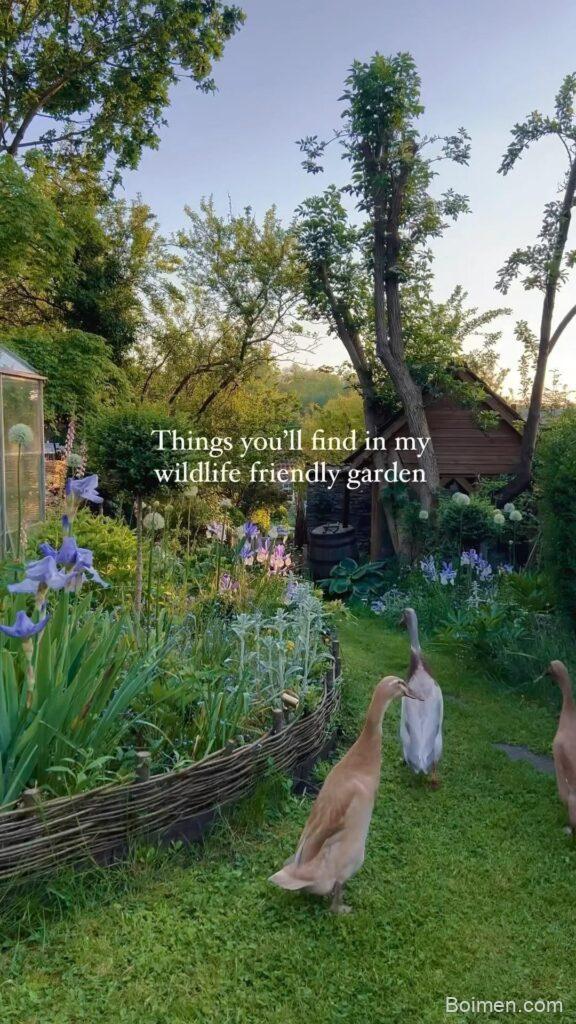
You want a garden that feels like a warm hug—lush, colorful, and alive. These 10 tips from a real cottage garden will help you create that magic, even if you're starting with a tiny patch.
Advertisements1
- A simple sketch prevents costly planting mistakes and saves time.
- Layering plants creates depth, continuous bloom, and fewer weeds.
- A three-color palette ties your garden together beautifully.
- Hardscaping like paths and edging gives your garden structure and purpose.
- Native pollinator plants make your garden buzz with life and support the ecosystem.
- Containers are versatile problem-solvers for small spaces and bare spots.
- Embracing imperfection leads to a charming, low-maintenance cottage garden.
Start with a Simple Sketch
Before you buy a single plant, grab a piece of paper and sketch your garden. Mark where the sun hits in the morning and afternoon. Note the paths you walk every day. This 10-minute exercise saves you hours of moving plants later.
For example, if you sketch and realize the left side gets full sun until 2 PM, you'll know to put sun-loving plants like lavender there. The right side, shaded by a fence, becomes home for hostas and ferns.
Don't worry about being an artist. A rough map with circles for trees and rectangles for beds is enough. The goal is to see your space with fresh eyes.
Layer Plants for Nonstop Color
Cottage gardens look abundant because they use layers: tall plants in the back, medium in the middle, and low growers at the front. This creates depth and hides bare soil.
Try this: plant a tall hollyhock (up to 8 feet) at the back, a cluster of purple coneflowers (2-3 feet) in the middle, and creeping thyme (3 inches) at the edge. As one finishes blooming, another takes over.
Aim for at least three layers. You'll get flowers from spring to fall without replanting. Plus, layers suppress weeds naturally—less work for you.
Choose a Cohesive Color Palette
A riot of colors can feel chaotic. Instead, pick three colors and repeat them. This creates harmony and makes your garden look intentional.
For a soft, romantic feel, use pink, white, and silver. Plant pink roses, white daisies, and silver dusty miller. The repetition ties everything together.
If you love bold colors, try purple, orange, and yellow. Purple salvia, orange marigolds, and yellow black-eyed Susans will pop against green foliage. Stick to your palette and you can't go wrong.
Add Hardscaping for Structure
Plants alone can look messy. Hardscaping—paths, edging, and seating—gives your garden bones. It also makes it usable.
A simple gravel path costs about $2 per square foot and instantly makes a garden feel designed. Curve it gently to slow your pace and invite wandering.
For edging, try reclaimed bricks or stones. They define beds and keep grass from creeping in. A small bench or chair gives you a reason to linger. Even a single chair can transform a patch into a destination.
Plant for Pollinators
A garden that buzzes with bees and butterflies feels alive. Plus, pollinators help your plants thrive. Choose native flowers that provide nectar and pollen.
Good picks: bee balm (monarda), purple coneflower (echinacea), and black-eyed Susan (rudbeckia). These are hardy, colorful, and loved by pollinators.
Avoid hybrid flowers with double petals—they often lack nectar. Single-petal varieties are best. Also, skip pesticides. A few aphids won't ruin your garden, but pesticides will kill the good bugs.
Use Containers to Fill Gaps
Containers are your secret weapon. They add height, color, and flexibility. You can move them to cover bare spots or highlight a doorway.
For a cottage look, use terracotta pots. Plant trailing plants like ivy geraniums around the edges and tall grasses in the center. This 'thriller, filler, spiller' formula works every time.
In small gardens, containers let you grow more without digging. You can even grow vegetables like tomatoes and peppers on a sunny patio. Just water them daily—containers dry out fast.
Embrace Imperfection
Cottage gardens are relaxed, not rigid. Let plants self-seed. Allow a few weeds if they're pretty. This laid-back approach saves time and looks charming.
For example, let forget-me-nots spread. They'll pop up in unexpected places and create a natural look. If a plant pops up where you don't want it, just pull it.
The goal is a garden that feels lived-in, not manicured. So relax. Pour a cup of tea and enjoy the slight chaos. It's what makes cottage gardens so inviting.
How to Do It, Step by Step
- 1Sketch your garden
Draw a rough map of your space, noting sun and shade. This helps you place plants correctly from the start. - 2Layer your plants
Plant tall varieties in back, medium in middle, and short in front. This creates depth and continuous bloom. - 3Pick three colors
Choose a cohesive palette and repeat it throughout. This makes your garden look intentional and harmonious. - 4Add a path
Install a simple gravel or stone path. It adds structure and invites you to explore. - 5Plant pollinator favorites
Include native flowers like coneflower and bee balm. They attract beneficial insects and add life. - 6Use containers
Place pots in bare spots or on patios. They add flexibility and color where you need it. - 7Relax your standards
Let some plants self-seed and don't fret over every weed. A relaxed garden feels more natural and welcoming.
A cottage garden isn't about perfection—it's about the joyful mess of life.
Frequently Asked Questions
What is a cottage garden?
A cottage garden is a relaxed, informal style that mixes flowers, herbs, and sometimes vegetables in dense, colorful plantings. It often includes winding paths and rustic elements.
How do I start a cottage garden from scratch?
Start by sketching your space and noting sun patterns. Then choose a color palette, add hardscaping like a path, and plant in layers using pollinator-friendly flowers.
What are the best plants for a cottage garden?
Classic choices include hollyhocks, roses, lavender, coneflowers, daisies, and bee balm. These provide color, fragrance, and attract pollinators.
How can I make my garden look cottage-style on a budget?
Use seeds instead of mature plants, swap plants with neighbors, and incorporate reclaimed materials for paths and edging. Containers can also fill gaps cheaply.
Do cottage gardens require a lot of maintenance?
They can be low-maintenance if you choose hardy perennials and let plants self-seed. A relaxed approach means less pruning and more enjoyment.

Maya writes about sustainable living and zero-waste swaps for busy families. She focuses on small, actionable changes that fit into real life without judgment or guilt.


Leave a Comment