
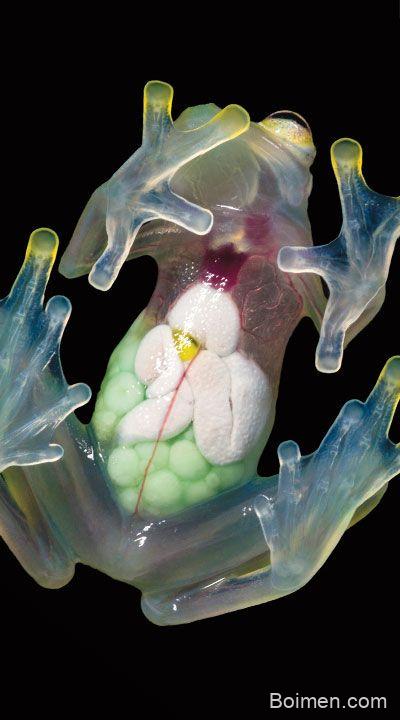
The first time I saw a glass frog, I mistook it for a droplet of rain caught on a leaf. Its skin was so clear that the green of the leaf seemed to shine through it. This guide will help you find and observe these remarkable creatures without disturbing them.
Advertisements1
- Glass frogs are best observed at night with a red-filtered headlamp, as white light stresses them.
- Their transparency is not just camouflage—it helps with thermoregulation and moisture absorption.
- Never touch a glass frog; your skin oils can be fatal to them.
- Limit observation to 10 minutes and keep a distance of at least 1 meter to minimize stress.
- The rainy season (May–November in Costa Rica) offers the best chance to see them active.
Where to Look: The Art of Noticing
Glass frogs inhabit the humid forests of Central and South America, from Mexico to Argentina. They prefer elevations between 500 and 2,000 meters, where the air is cool and the leaves are perpetually wet. I have found them most often along streams, where the sound of water masks your approach.
Look for them at night, when they are active. Their transparency makes them nearly invisible against a leaf, but their eyes—often golden or silver—catch the faintest light. A headlamp with a red filter is gentler on their eyes and yours. Sweep the beam slowly across the undersides of leaves, where they rest during the day.
I once spent an hour watching a single frog on a fern frond. Its heart beat visibly, a tiny red pulse. That is the gift of the glass frog: it shows you life without hiding anything.
How to Identify: More Than Just Clear
There are over 150 species of glass frogs, and not all are fully transparent. The most famous, like the Fleischmann's glass frog (Hyalinobatrachium fleischmanni), have a lime-green back and a belly like frosted glass. The key is the peritoneum—the membrane that covers the internal organs. In some species, it is completely see-through; in others, it is white and opaque.
Count the digits. Glass frogs have expanded toe pads, like tiny suction cups, which help them cling to vertical leaves. Their eyes face forward, giving them binocular vision—unusual for frogs. And their call is a high, insect-like chirp, often mistaken for a cricket.
Ethical Observation: Leave No Trace
Glass frogs are highly sensitive to changes in temperature and humidity. Touching them transfers oils from your skin that can clog their pores. Never handle them. If you must move a leaf to see better, do so with a soft brush or by gently blowing.
Keep your visits short. Ten minutes per frog is plenty. The stress of a prolonged encounter can affect their breeding success. And always stay on marked trails. The undergrowth is fragile, and a single step can crush a generation.
The Science of Seeing Through Skin
The glass frog's transparency is not just for camouflage. It helps them regulate body temperature. Because their skin is so thin, they can absorb moisture directly from the air. In a way, they drink through their skin.
Recent studies have shown that their muscles and bones are also translucent. Even their red blood cells are visible as they flow through capillaries. This has made them a subject of biomedical research, particularly in the study of blood flow and tissue regeneration.
When to Go: Seasons and Timing
The best time to see glass frogs is during the rainy season, from May to November in Costa Rica, or from December to March in Ecuador. They are most active on warm, humid nights after a rain. Avoid full moons—the extra light makes them skittish.
Go at dusk, just as the light fades. That is when they emerge from their hiding places. I have found that the hour after sunset is the most rewarding. The forest is still, and the frogs are just beginning to call.
The Quiet Reward
Observing glass frogs is not about checking off a species. It is about slowing down. In the dim light, with the sound of water and the scent of wet moss, you become part of the forest. The frog does not perform for you. It simply is.
I remember sitting on a log in Monteverde, waiting for a glimpse. After an hour, a single frog appeared on a leaf above me. Its heart was beating so fast that it seemed to vibrate. I watched until my legs fell asleep. Then I left, quietly.
How to Do It, Step by Step
- 1Use a red-filtered headlamp
White light blinds glass frogs and causes them to flee. A red filter lets you see their outline without disturbing them. Keep the beam low and sweep slowly. - 2Scan leaf undersides at eye level
Glass frogs rest on the undersides of leaves, often between 1 and 3 meters high. Look for a faint green glow or the reflection of their eyes. Move leaves only if necessary, and never with your bare hands. - 3Keep a distance of at least 1 meter
If you can see the frog's pupils clearly, you are too close. Back away slowly. This reduces stress and allows the frog to continue its natural behavior. - 4Limit your observation to 10 minutes
Prolonged exposure to human presence can disrupt breeding and feeding. Set a timer on your phone (on silent) to remind yourself to move on. - 5Never touch the frog
Oils and salts from your skin can be absorbed through their permeable skin, causing infections or death. Use a soft brush to gently move a leaf if you must. - 6Visit during the rainy season
Glass frogs are most active on warm, humid nights after rain. Check local weather patterns and plan your trip for the wet season, avoiding full moons.
The glass frog does not hide; it simply lets the light pass through, reminding us that vulnerability can be a form of strength.
Frequently Asked Questions
Are glass frogs dangerous?
No, glass frogs are not dangerous to humans. They are small, harmless amphibians that feed on insects. However, they are extremely sensitive to human touch and should never be handled.
Why are glass frogs transparent?
Transparency helps glass frogs camouflage against leaves and regulate their body temperature. Their thin skin also allows them to absorb moisture directly from the air.
Where can I see a glass frog?
Glass frogs are found in the humid forests of Central and South America, from Mexico to Argentina. Popular spots include Monteverde and Tortuguero in Costa Rica, and Mindo in Ecuador.
What do glass frogs eat?
They eat small insects like crickets, moths, and flies. They are nocturnal hunters, using their forward-facing eyes to judge distances accurately.
How can I help conserve glass frogs?
Support habitat preservation, avoid using pesticides, and practice ethical wildlife observation. Never handle them, and keep your distance to reduce stress.

Ingrid explores Scandinavian minimalist design and slow living. She writes about creating calm, functional spaces with fewer, better things.


Leave a Comment